PTSD After a Car Crash or Workplace Accident
A serious car crash, a fall on a job site or a close call with heavy machinery can leave more than physical injuries. In the first days afterward, anxiety, irritability and poor sleep are a normal response to shock. When those reactions linger for weeks, or get worse instead of better, they may point to post-traumatic stress disorder.
Warning signs worth taking seriously include:
- intrusive memories, nightmares or flashbacks of the accident,
- avoiding driving, the commute to work or the place where it happened,
- feeling constantly on edge, hypervigilant or easily startled,
- insomnia, irritability and trouble concentrating,
- pulling away from family, friends or work.
When to Reach Out for Help
A primary care doctor, psychiatrist or licensed therapist is the right first call. It also helps to tell the physician treating your physical injuries about these symptoms, since pain and stress tend to feed each other. If you are having thoughts of suicide, call or text 988, the Suicide & Crisis Lifeline, any time of day.
What the Stellate Ganglion Is and How the Block Works
The stellate ganglion is a cluster of nerves at the front of the neck. It is part of the sympathetic nervous system, the network that speeds up the heart, tenses muscles and readies the body for danger. A stellate ganglion block delivers medication to that area to temporarily quiet its activity.
The block has been used for decades, mostly for pain driven by the sympathetic nervous system, such as complex regional pain syndrome (CRPS). It has more recently drawn interest for PTSD, based on the idea that in some people the body’s alarm system stays switched on long after the trauma is over.
The Procedure, Step by Step
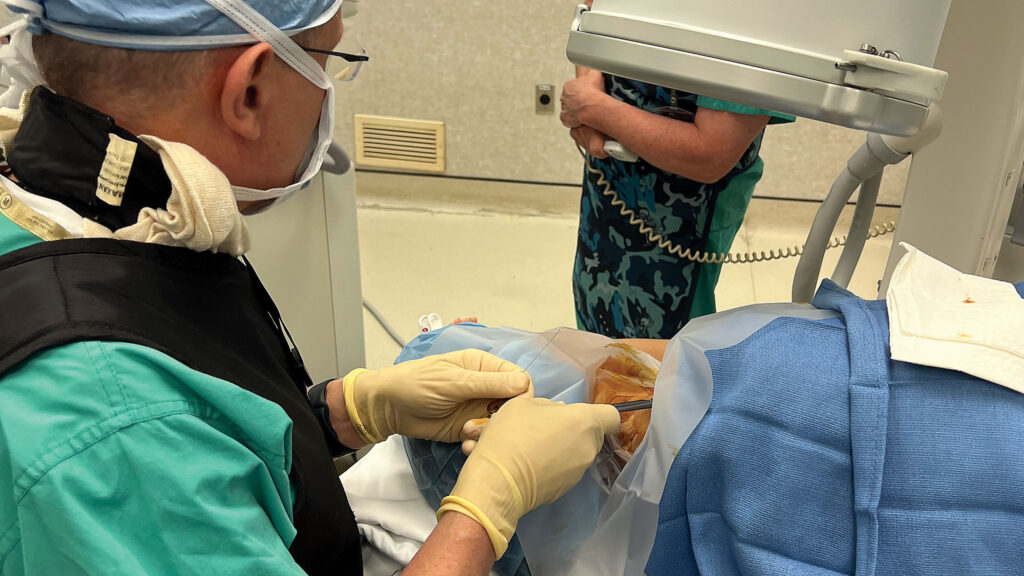
SGB is a minimally invasive outpatient procedure performed under local anesthesia. The physician guides the injection near the neck using ultrasound or fluoroscopic (X-ray) imaging, which helps place the medication precisely. The injection itself typically takes only a few minutes, and most patients go home the same day.
Temporary side effects can include hoarseness, difficulty swallowing or a dry eye, which usually resolve within hours to a few days. Some patients notice a change within hours or days, others need additional treatments, and some see little benefit. Risks and expected benefits are reviewed with each patient before any decision is made.
SGB for Long COVID, and Why Expectations Matter
Some people with lingering symptoms after COVID-19 are also evaluated for SGB. Those symptoms include brain fog, chronic fatigue, anxiety, heart rate irregularities, sleep problems and lightheadedness on standing. One theory holds that the block may help reset the autonomic nervous system, calm inflammation and improve blood flow to the brain.
For both PTSD and Long COVID, early reports are encouraging, but more research is needed on how SGB works and how long its effects last. Individual responses differ and cannot be predicted in advance. Just as important, SGB is not a substitute for psychotherapy or psychiatric care. It may be one part of a broader plan that also includes counseling, medication or physical therapy, ideally coordinated with your mental health provider.
Stellate Ganglion Block With Dr. Dariusz Nasiek in New Jersey and New York
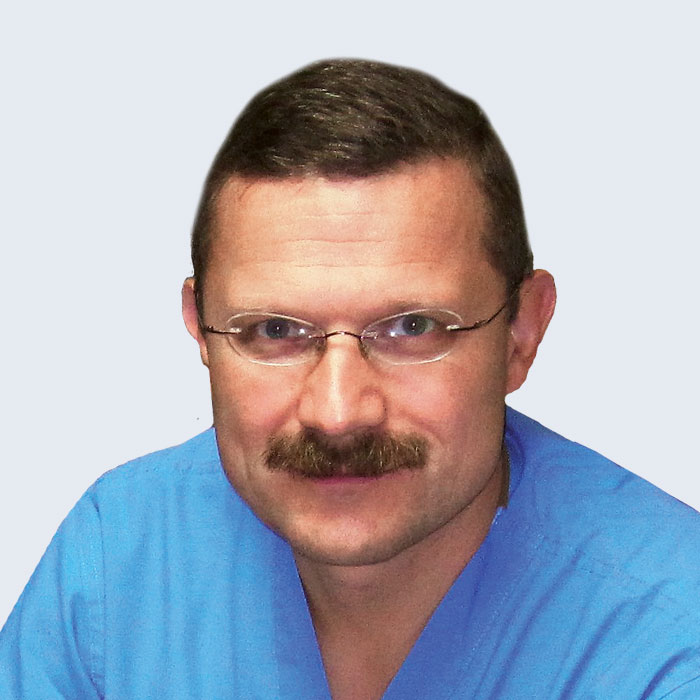
Dr. Dariusz Nasiek, MD, a Board-Certified Anesthesiologist, Board-Certified in Pain Medicine and a Board-Certified Interventional Pain Physician with more than 35 years of experience, performs stellate ganglion blocks at Allied Neurology & Interventional Pain Practice, P.C., known as Allied Spine Institute, a Center of Excellence since 2006. Before recommending the procedure, he reviews each patient’s medical history and symptoms to decide whether SGB is an appropriate option. Readers recovering from an injury on the job may also find his guide, “Your Health After a Workplace Accident,” useful.
The practice sees patients in Englewood (main office), Garfield, East Orange and Elizabeth in New Jersey, and in Rego Park and Washington Heights in New York, with Polish-speaking staff available.
Read also: Pain Treatment After an Accident in New York and New Jersey: Dr. Dariusz Nasiek on Why Every Moment Counts · Early Detection of Brain Injuries After Accidents: Why a Normal CT Scan Isn’t Enough in NY and NJ · Migraines wearing you down? There’s a way — without pills and without waiting months for an appointment
To learn more, visit the Allied Spine Institute profile in the PolishPages directory. To schedule a consultation, call 201-894-1313 or 973-773-7730 (call or text, Polish-speaking staff).
This article is for general information only and is not a substitute for medical advice or legal advice. In an emergency, call 911.