Stone stairs, granite in particular, are one of the more durable options in a home: they do not wear through like carpet or warp like wood. How slippery they are depends mostly on the finish. Polished stone looks striking, but honed, brushed or grooved surfaces are safer underfoot.
A staircase is the hardest-working part of a house. In two-story homes across Mercer County or Bucks County, Pennsylvania, people climb it a dozen times a day, with a laundry basket, with groceries, with a toddler on one arm. Small wonder that after some years wooden treads creak and carpet on the nosings wears down to the pad.
Many Polish families renovating with several generations under one roof in mind ask about stone. On stairs, though, two things count at once: resistance to wear and secure footing, especially when grandparents walk around in slippers or grandchildren run up in socks.
Are stone stairs more durable than wooden ones?
Yes, as long as the stone sits on a rigid, stable base. Hard stone does not dent from heels or furniture being dragged, and a single damaged tread can be replaced without touching the rest.
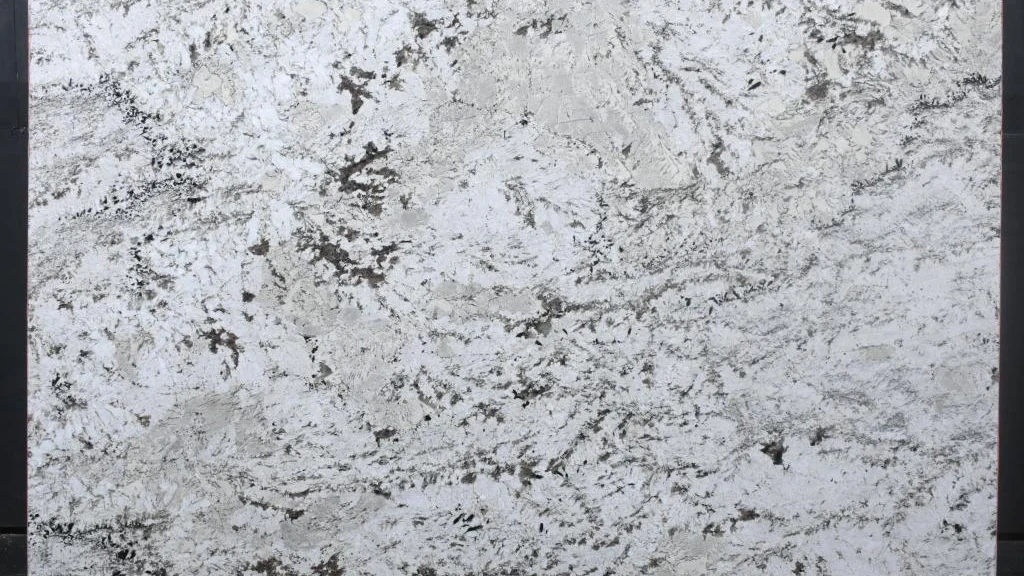
Granite works well in high-traffic areas and has a bold, varied pattern that hides dust and small marks. Marble gives a classic, refined look, but it is softer. In old public buildings you can see how, over decades, the middle of a marble step wears into a shallow dip. In a home, with far less traffic, that takes much longer.
Engineered stone, or quartz composite, has a uniform color and a repeatable structure, which makes it easy to match every tread in a contemporary interior. Whatever the material, stone needs a base that does not move. A slab laid over a flexing wooden frame can crack over time, so checking the condition of the stairs before a renovation matters more than choosing a color.
Which stone finish lowers the risk of slipping?
The smoother and glossier the surface, the easier it is to slip, especially when wet. Stairs therefore usually get a matte or textured stone, or a polished one with added grip near the edge of each tread.
The most common finishes are honed, which takes the shine off the stone, and brushed, which leaves a gently undulating texture that feels pleasant underfoot. Granite can also be flamed, creating a distinctly rough surface more often seen on outdoor steps. If you really want to keep a polish, a fabricator can rout a few shallow grooves near the tread edge to give feet better traction.
It is worth knowing that even U.S. accessibility standards do not set a single number for when a surface is slip resistant enough. The federal guide to the ADA Standards for floor and ground surfaces requires them to be stable, firm and slip resistant, yet notes that the standards do not specify a minimum coefficient of friction and that finishes used to increase slip resistance may need continued maintenance or re-application. Those standards cover facilities subject to the ADA, but the same logic makes sense at home.
How do you care for stone treads year-round?
Day-to-day care is simple: vacuum or sweep, then wash with a mild, pH-neutral cleaner. Acidic products, vinegar and kitchen descalers dull marble and limestone.
In a New Jersey or Pennsylvania winter, the worst enemies of entry stairs are sand and salt tracked in from icy sidewalks. Fine grit acts like sandpaper, and salt leaves white streaks behind. A solid doormat and a quick wipe of the steps after coming home go a long way.
Porous stone, marble and light granites above all, should be resealed from time to time; our article on stone in the bathroom explains how to tell when it is due.
More on stone in the home
Stairs often go hand in hand with other changes to a home. Poland.us also writes about:
- stone kitchen countertops
- fireplace surrounds in granite, marble and limestone
- natural stone window sills
A family-owned business in Ewing
Euro 1 Countertops Granite & Marble, Inc. is a family-owned company in Ewing, New Jersey, with 20 years in the marble and granite trade. Its president is Andriy Huz. The company custom-fabricates granite, marble, quartz, travertine, limestone, onyx, quartzite and semi-precious stone, and staircases are among its specialties. For stone stairs it offers granite, marble and engineered stone, as described on its staircase service page.
The company works for residential and commercial clients in New Jersey, Pennsylvania, Delaware, New York and Connecticut. Consultations and estimates are free, and the team speaks English, Polish, Russian and Ukrainian.
Learn more in Euro 1 Countertops Granite & Marble, Inc.’s listing in the PolishPages directory. To schedule an estimate, call 609-608-5750; the office is at 310 Dryden Avenue in Ewing, New Jersey.
The information in this article is general. The choice of stone, finish and installation method for a staircase should be made by a professional after assessing the structure and how the stairs are used in a particular home.