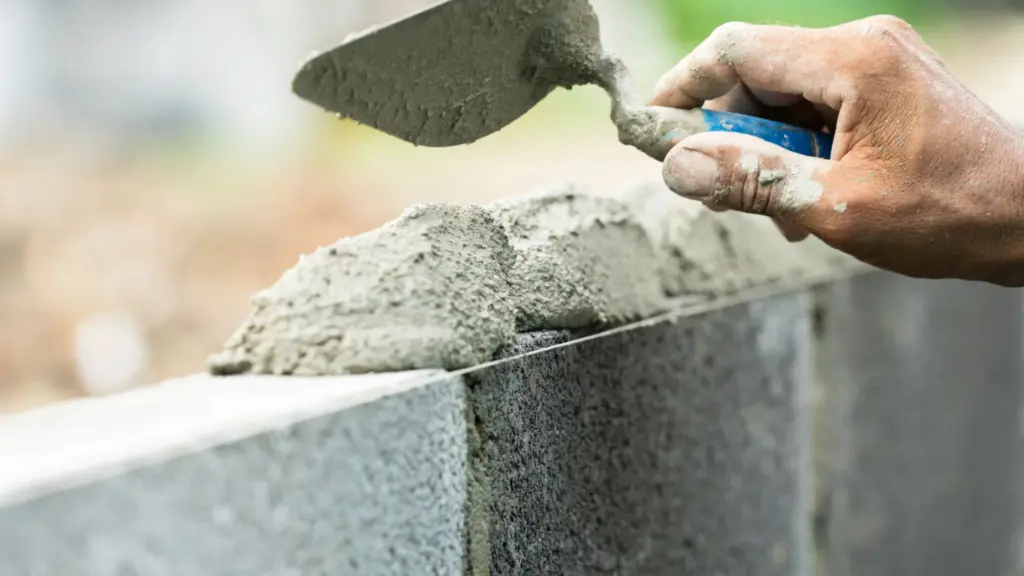
Masonry work in New York includes building and repairing walls of brick, block, stone and glass block, repointing mortar joints, and repairing stoops and facades. Owners of buildings taller than six stories must have exterior walls inspected every five years; in lower buildings, the owner looks after the masonry.
Brick and stone dominate New York’s buildings – from the row houses of Ridgewood and Glendale to the older apartment buildings of Greenpoint. Masonry is durable, but it doesn’t last forever. Frost, water and years of use take their toll, and small cracks that are ignored eventually turn into a major repair.
What masonry work is most common?
- Repointing – crumbling mortar between the bricks lets water into the wall.
- Replacing damaged bricks and repairing cracks in walls.
- Repairing the front steps and landing (the stoop), as well as low walls and fences.
- Concrete block walls – for additions, garages and partition walls in basements.
- Natural stone – cladding, low walls, steps and garden features.
- Glass block – walls and windows that bring light into bathrooms, stairwells and basements.
When does a facade need an inspection?
The New York City Department of Buildings runs a periodic facade inspection program (Façade Inspection and Safety Program). According to the agency, owners of buildings taller than six stories must have the exterior walls and anything attached to them inspected every five years (DOB: Facade compliance).
Most of the homes where the Polish community lives in Queens and Brooklyn are lower and don’t have this obligation. That doesn’t mean the facade can be left alone. The owner is responsible for the condition of the building, and a falling piece of brick or stone is a danger to people walking by.
The paperwork depends on the type of work and the building. Before a larger facade repair, structural changes or building a new wall, ask the contractor whether you’ll need plans and a DOB permit.
How can you tell that masonry needs repair?
- Mortar is falling out of the joints, or you can scrape it out with your finger.
- You can see cracks in the wall, especially stair-step cracks running along the joints.
- Bricks are flaking or crumbling on the surface.
- Water stains and dampness appear on interior walls after rain.
- The front steps are cracked or loose.
The sooner you deal with these signs, the smaller the job will be. The best time for masonry repairs is the frost-free months – mortar needs the right conditions to set properly.
Why does the choice of mortar and material matter?
When repairing old masonry, “any” mortar won’t do. Mortar that’s too hard in an old wall of soft brick can shift stress onto the bricks themselves, which then crack instead of the joints. That’s why an experienced mason matches the material to the building, not the other way around.
Appearance matters too. New bricks and mortar should match the old ones in color and texture as closely as possible, especially on the street-facing facade. With natural stone and glass block, precision is key – every unevenness is easy to see, and glass block has to be set carefully so the wall stays watertight.
The front steps are a separate topic. Cracked steps and loose slabs aren’t just a matter of looks, but also of safety for your family and guests, especially in winter, when water freezes in the cracks and breaks the material apart.
It’s also worth keeping an eye on gutters and flashing. Water that runs down the wall from a leaking gutter or collects on a windowsill wears away mortar and brick over time. Repairing the masonry without fixing the source of the moisture only helps for a few seasons.
Masonry during renovations and additions
Masonry isn’t only about repairs. When renovating a whole apartment or house, you often need to build a new wall, close up or widen an opening, or finish the walls in the basement. We cover the details in our articles on apartment renovation and basement finishing.
A Polish masonry company from Glendale
Oliwa Construction, which has served New York for 20 years, does masonry work with brick, block, stone and glass – at every stage of construction. The team builds, repairs, restores and finishes masonry, and thanks to steady relationships with wholesale suppliers, it can offer a wide choice of materials. Service is available in Polish and English, and the estimate is free.
You’ll find more information in Oliwa Construction’s listing in the PolishPages directory, and you can schedule an estimate by calling 718-386-0929.
This article is for informational purposes only. Owner obligations and required permits depend on the building and the scope of work – for your specific situation, consult a contractor, an engineer or the Department of Buildings.