
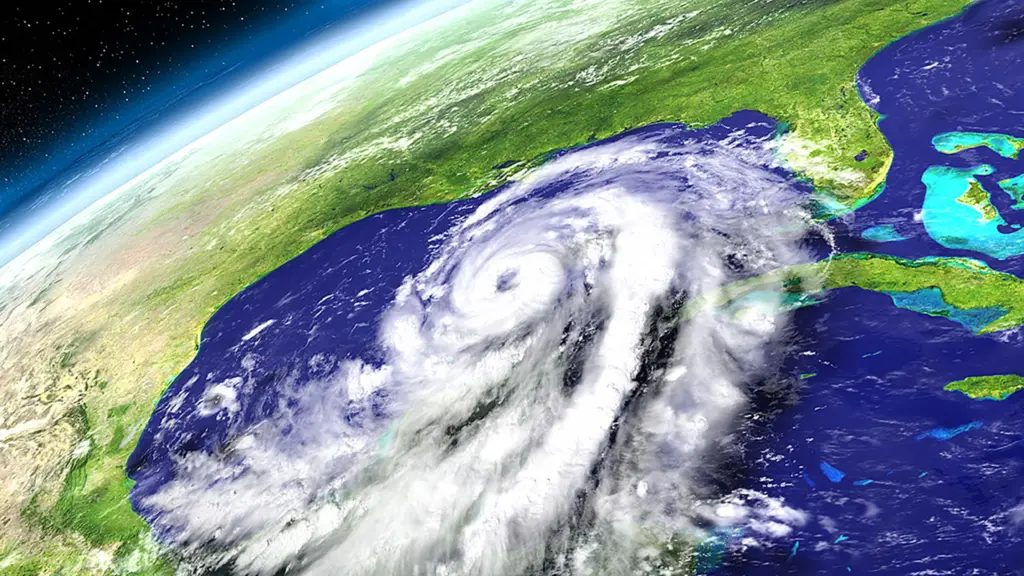
The Atlantic hurricane season runs through the end of November, and September is statistically its peak—which is why the IRS (Internal Revenue Service) is urging people to secure their financial documents before a flood, fire, or severe storm strikes. The September 3, 2026 announcement applies to all taxpayers, including those living outside areas traditionally prone to natural disasters. For the Polish-American community, this topic is particularly relevant in Florida, along the Gulf Coast, and in tornado- and flood-prone areas of the Midwest.
What the IRS Recommends
The agency lists several specific steps. First, store originals of key documents (tax returns, birth certificates, Social Security cards, insurance policies, property deeds) in water- and fire-resistant containers. Second, scan paper documents and keep electronic copies on a secure device or in the cloud; many financial institutions already provide digital statements themselves. Third, document valuable property with photos or video recordings of your home, business, vehicles, and equipment, which makes it easier to prove losses later both to your insurer and when filing taxes. The IRS provides special disaster loss workbooks (Publications 584 and 584-B) for creating a room-by-room inventory.
The agency also recommends an annual review of your emergency plan (helpful resources are available at Ready.gov) and checking how to access your own tax data if needed—the IRS Individual Online Account lets you download transcripts, notices, and other records without visiting an office. Businesses should additionally verify whether their payroll provider holds a mandatory fiduciary bond, and registered EFTPS users can continue paying federal taxes electronically even if they lose access to other systems.
Tax Relief After a Disaster
When the IRS officially declares tax relief for a disaster-stricken area, some filing and payment deadlines falling within the relief period are automatically postponed—without needing to contact the agency, as long as the taxpayer’s address in IRS records is located within the assisted area. Taxpayers outside such an area whose documents needed to meet a deadline are located in the disaster zone can request relief by calling the special IRS hotline (866-562-5227).
Individuals and businesses that have suffered uninsured or unreimbursed losses as a result of a natural disaster can—in accordance with applicable regulations—claim them as a casualty loss on their federal tax return. Detailed rules are described in Publication 547, “Casualties, Disasters, and Thefts.” The IRS emphasizes that only a well-documented pre-disaster asset inventory allows you to smoothly go through the process of applying for such relief or for federal (FEMA) and insurance assistance.
A Practical Checklist for the Polish Community
If your home, apartment, or business headquarters are destroyed along with paper records, recovering your tax records does not have to mean visiting an office or waiting in line. The “Get Your Tax Records and Transcripts” service on IRS.gov allows you to download copies of previously filed returns and other records online after verifying your identity. The same account will come in handy later when filing for a casualty loss—the more accurate the pre-disaster property inventory (photos, equipment serial numbers, copies of purchase receipts), the easier it is to prove the value of the losses to the tax office, insurer, or FEMA.
For Polish families and business owners in the USA, this is a practical checklist for the upcoming weekend: scan your most important documents to the cloud, take photos or a short video walkthrough of your apartment and business room by room, review your emergency plan from Ready.gov, and verify access to your IRS Individual Online Account—before the weather does it for you.
This material is for informational purposes only and does not constitute tax or legal advice. You should consult an accountant or tax advisor regarding your situation after a potential natural disaster.
Polish accountants and tax advisors from the Polish Pages directory can help with preparing financial documentation and settling casualty losses.