Dorota Abdelmoula-Viet, Fr. Łukasz Bankowski – Vatican City
A diverse, yet one Church
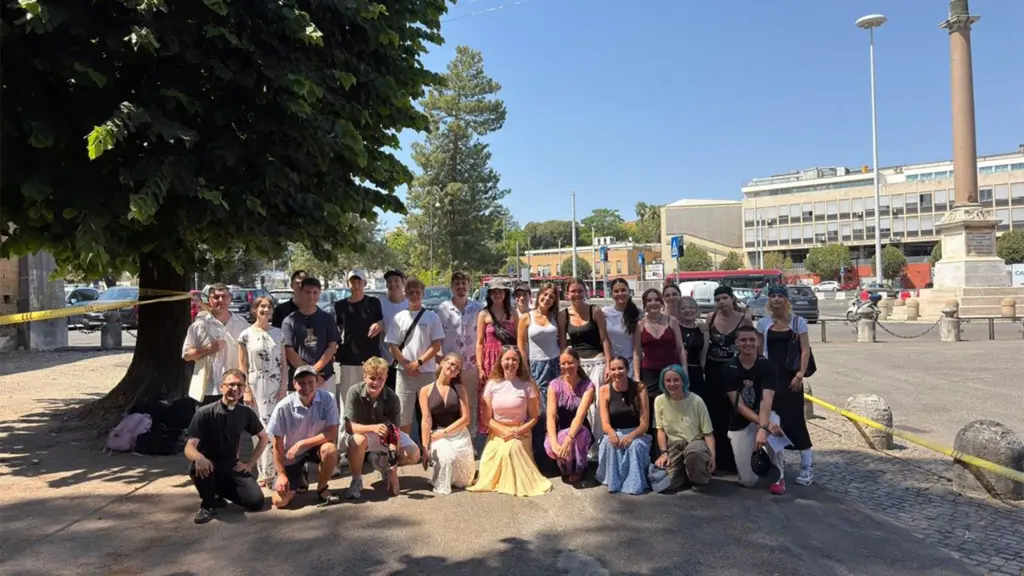
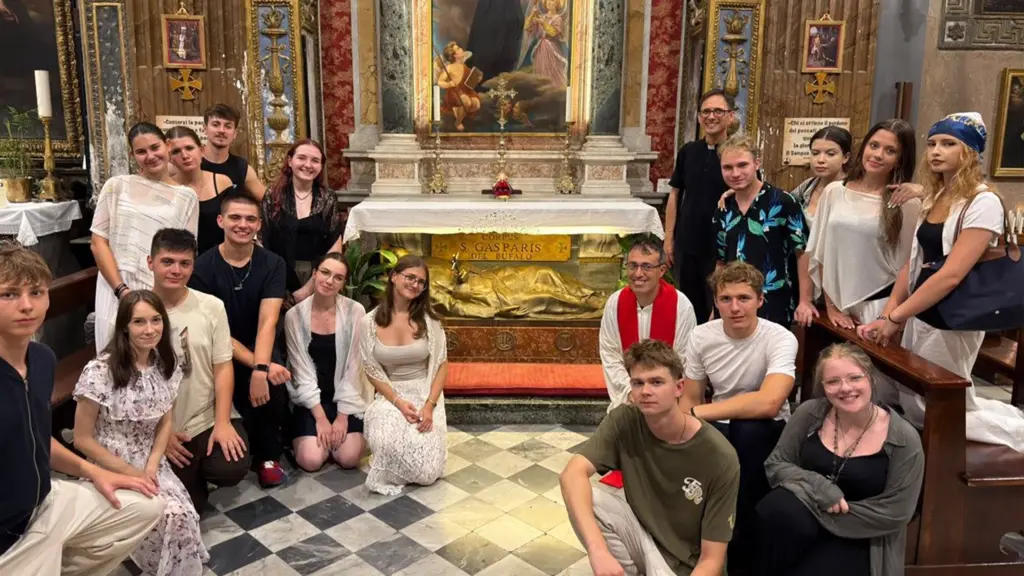
For 19-year-old Ania, her stay in Rome was primarily an opportunity to experience the unity of the Church. “The most important thing for me was experiencing the unity of the Church and the diversity of all the people who belong to it. We were also able to walk in the footsteps of the apostles and martyrs and closely discover the path of Peter – the one from two thousand years ago and the one of today,” she says.
The Oasis community itself is also important. Many participants have known each other since previous stages of formation. “I can’t imagine holidays without the Oasis,” Ania admits.
17-year-old Aniela shares a similar view. She was particularly moved by meetings with people representing various vocations and charisms. “It was incredibly important to see how diverse yet full the Church is and how we can be united in this diversity,” she emphasizes.
From martyrs to young saints
The program of the third stage of the Oasis allows young people to get to know the Church through places associated with its history and saints. Franek, an 18-year-old high school student, came to learn about the paths of St. Peter and the first martyrs. A particularly special experience for him was also praying at the tomb of St. Carlo Acutis in Assisi.
Aniela also refers to this experience. “Being in the necropolis, catacombs, or places connected with the saints was very moving. You don’t experience things like that often,” she says.
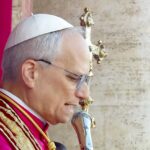
One of the most important moments for her was meeting Leo XIV. “Seeing the successor of Peter live and being able to reach out and touch his hand” – that was incredible.
Discovering the vocation to service
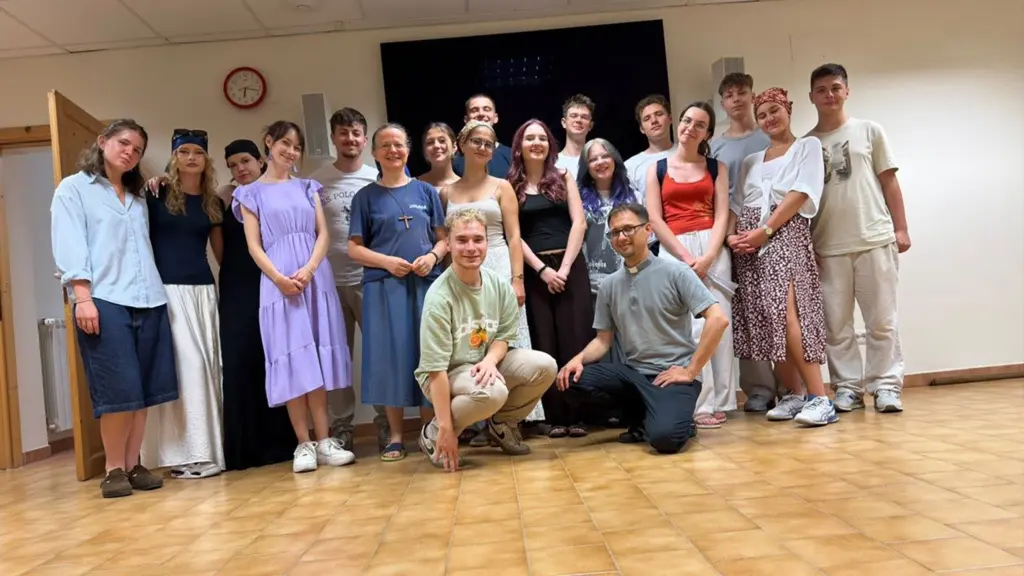
For Julia, the retreat was initially supposed to be primarily the conclusion of another stage of formation. In Rome, however, she discovered its deeper meaning. “I discovered my vocation to the community and to service. Serving another person truly brings me great joy,” she shares.
As she adds, it is not just about grand gestures. Sometimes service means carrying someone’s backpack in the Roman heat, offering water, or helping with breakfast. An important experience was also being accepted by a group she didn’t fully know beforehand. “I was able to be myself with them very quickly. The Good Lord took care of everything,” she says.
“The Gospel is also to be proclaimed by the laity”
Rafał Stolarczyk, a liturgical animator and this year’s high school graduate, points out yet another dimension of the retreat – the apostolate of the laity.
“Not only priests, but also the laity have the task, flowing from baptism, of passing on the Gospel. Especially we, young people who have experienced Jesus and recognized Him as Lord and Savior, are called to bring Him to our loved ones and acquaintances,” he emphasizes.
The retreat allowed him to see the Church encompassing the first martyrs, contemporary saints, consecrated persons, married couples, and young laity. “It is a beautiful experience of diversity within the unity of the Church,” he concludes.
Therefore, the young people will leave Rome not only with memories of places associated with the apostles and saints. They will take with them the experience of a Church that, despite the diversity of vocations, charisms, and paths, remains one community. And with the awareness that the task of building this living Church and carrying the Gospel further now rests upon them as well.