In New York State, 11 points within 24 months can mean a license suspension, and 6 points within 18 months results in an additional Driver Responsibility Assessment fee. A DWI starts at a 0.08% blood alcohol concentration, and refusing the test means losing your driver’s license for at least a year.
For many Poles in Queens and Long Island, a car is a work tool – used for commuting to construction sites, visiting clients, or driving to a night shift. Therefore, a traffic ticket or being pulled over during a sobriety check is not just a fine, but a real threat to your income, insurance, and the daily organization of your entire family.
One Stop, Multiple Consequences
The Heller Law Firm, PC points out on its website that penalties for traffic violations can be severe because they can raise insurance rates – even after a first offense. When facing a driving under the influence (DWI or DUI) charge, consequences include the loss of a driver’s license, high fines, vehicle seizure, and even imprisonment.
According to the firm, a DWI conviction can impact employment opportunities. Such a record can remain visible in databases for years: New York’s Clean Slate Act (CPL §160.57) provides for the automatic sealing of convictions only after several years and does not cover DMV records.
Regular traffic tickets are a separate matter. With tickets handled in New York by the Traffic Violations Bureau – as noted by the DMV on its page about New York traffic tickets – pleading guilty cannot be changed later, and a conviction can result in a mandatory license suspension or revocation. Failing to respond to a ticket on time also results in a license suspension. Therefore, pleading guilty “for peace of mind” is often a bad idea.
Points and Alcohol Thresholds: What the Law Says
According to the DMV point system description, points are assessed only after a conviction, but they are counted from the date of the violation. Speeding 1–10 miles per hour over the limit is 3 points, 11–20 miles is 4 points, and over 40 miles is as many as 11. Running a red light or ignoring a stop sign is 3 points, and reckless driving is 5. Suspension threatens at 11 points within 24 months.
Regarding alcohol, the DMV distinguishes several categories, as explained on the DMV page on alcohol and drug-related violations. DWI is a concentration of 0.08% or higher, or other evidence of intoxication (0.04% for commercial drivers). Aggravated DWI starts at 0.18%, and DWAI covers a concentration above 0.05% and below 0.07%, or other evidence of impairment. Refusing a breathalyzer, blood, or urine test is a separate violation: for a first refusal, the driver’s license is revoked for at least a year, and the civil penalty is $500 (18 months and $550 for commercial drivers).
What This Means for Polish-American Drivers
The biggest mistake is often procrastination. The law firm emphasizes on its website that it is crucial for a lawyer to represent the driver from the initial stage of the case. During the first consultation, they check, among other things, whether any errors occurred during the traffic stop, sobriety test, or administrative procedures.
It is worth keeping all documents received from the police – tickets, summonses, and instructions – and writing down the sequence of events while they are fresh in your memory, separating certain observations from assumptions. This scope of cases concerns driver defense. Seeking compensation as an accident victim is a separate service provided by the firm, even if both matters stem from the same collision.
Consultation in Polish
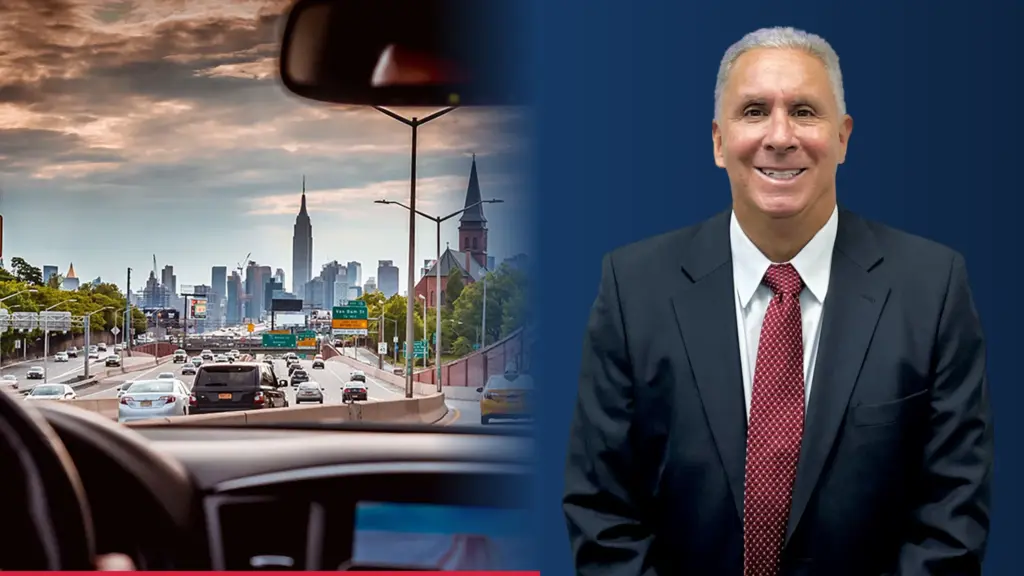
The law firm, founded by Norman H. Heller, Esq., provides defense in cases involving speeding, running a red light or failing to stop at a stop sign, driving without a valid license, registration, or insurance, DWI and DUI, hit and run, and reckless driving. It has experience dealing with the police, prosecutors, and the DMV. The scope of practice is described on the law firm’s page on criminal cases and traffic tickets, and contact information can be found on their PolishPages profile.
The firm serves clients in Polish, and consultation terms are arranged individually. Phone: 516-441-5656.
This article is for informational purposes only and does not constitute legal advice; reading it does not create an attorney-client relationship. This material is attorney advertising. Prior results do not guarantee a similar outcome in the future.