
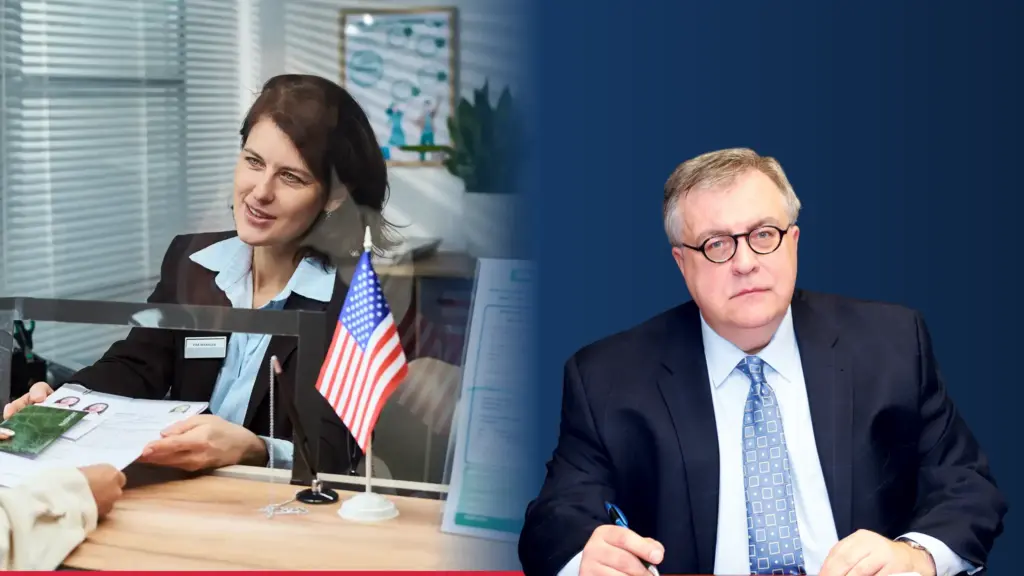
Before starting a business in the USA, it is advisable to prepare a business plan, check federal and state regulations, determine required licenses, and draw up detailed agreements with partners, clients, and subcontractors. Operating without a license can make it difficult to collect payments through the court system, and mistakes regarding employee overtime can lead to claims going back as far as 6 years (in New York State).
For many Poles in America, starting their own business is a natural next step after years of working for someone else, since they already know the industry, clients, and market realities. The trouble is that enthusiasm often outpaces preparation, and the American legal system mercilessly catches oversights that seem minor in the first few months.
“It will somehow work out” is not a strategy
Attorney Robert Wisniewski in his articles on poland.us describes starting a business in the USA as a very serious step, prior to which one should consult a specialist. He emphasizes that the foundation should be a business plan that includes market analysis, marketing, and adequate financial reserves. Success in business, as he points out, is built over years by patiently conquering the market and clients.
A typical mistake is starting without preparation, “on a trial basis,” or running a business with a cousin or friend based solely on verbal agreements. According to the attorney, such ventures often end with losses or minimal profit. Sound familiar? In Greenpoint and Ridgewood, almost everyone knows the story of a “word-of-mouth” partnership that fell apart along with a friendship.
Two legal systems, licenses, and written agreements
The United States has a dual legal system: alongside federal regulations, the laws of each state apply, plus court jurisprudence. As the attorney points out, before starting an activity, one must check all these levels, as they can significantly impact the profitability of the business.
A separate chapter involves licenses and certificates. Two examples appear in the attorney’s articles. A food or household goods importer without the required licenses and certificates may have their goods detained at the port. A home improvement contractor without the required license may lack the ability to sue in court for payment for completed work.
Hence the recommendation to conclude detailed written agreements with clients, subcontractors, and partners. These should specify terms, deadlines, the scope of liability, and dispute resolution methods. In a country where it is very easy to end up in court, a well-written agreement is the cheapest safeguard.
An employer also has obligations
When a company starts hiring people, another risk arises. In one of his texts, Robert Wisniewski describes the situation of an employer who agreed with an employee on a fixed, “simple” rate for a 60-hour work week, without checking overtime regulations. Such an employer can be sued for unpaid overtime going back as far as six years, which is the statute of limitations for wage claims in New York State.
Saving on the overtime rate may prove to be the most expensive decision in a company’s history after a few years. This applies especially to industries where long work weeks are the norm, such as construction, remodeling, or gastronomy.
Five questions before registration
Before the company is created, it is worth answering several questions that the attorney lists in his texts:
- Why start a business?
- Operate independently or with partners?
- Run the business together with a spouse or without one?
- Where to register it?
- What legal form to choose?
The answers to these can have consequences for the owners’ liability, profit sharing, and what happens to the company when the partners’ paths part. Therefore, it is worth discussing them with a lawyer even before registration, rather than only when the first dispute arises.
Free consultation in Polish
Robert Wisniewski has been handling cases in state and federal courts, before arbitration courts and government agencies for over 30 years. The law firm also handles commercial disputes, including contract disputes as well as partner and shareholder disputes.
The first consultation is free, and the conversation can take place in Polish, directly with the attorney. Robert Wisniewski P.C. Law Firm, phone: 212-267-2102.
This article is for informational purposes only and does not constitute legal advice; reading it does not create an attorney-client relationship. The material is attorney advertising. Prior results do not guarantee a similar outcome in the future.