Ozone therapy is an integrative medicine method that uses a mixture of oxygen and ozone. In the US, it is not an FDA-approved treatment, and federal regulations describe ozone as a toxic gas. That is why the decision about treatment is made individually, after a medical history and testing.
Why people are interested in ozone therapy
Ozone therapy comes up more and more often in conversations about recovery, immunity and anti-aging medicine. Some patients encountered it at clinics in Poland or elsewhere in Europe; others come across it on social media, where descriptions are often full of promises. That popularity is exactly why the topic deserves a calm, accurate discussion.
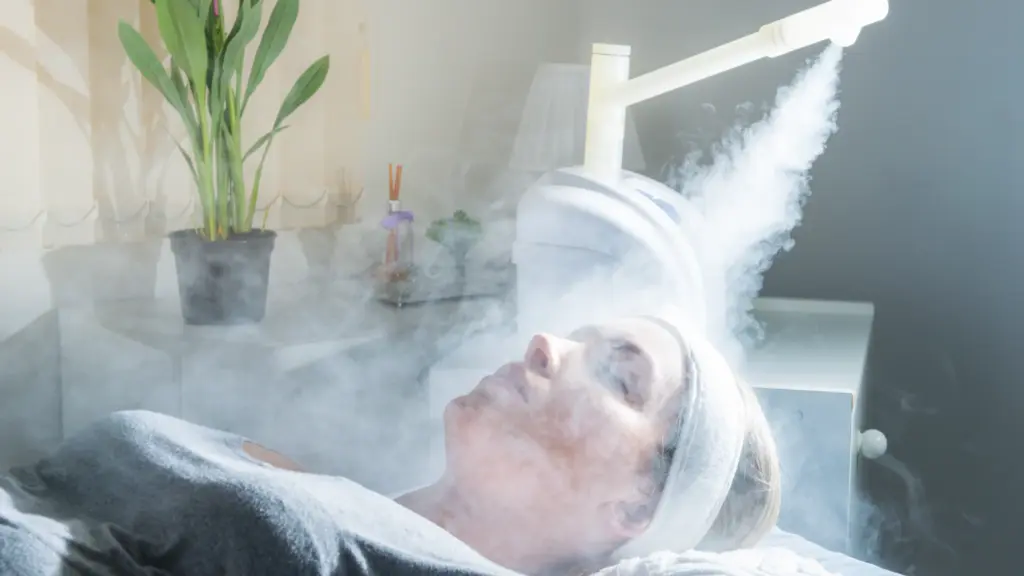
Ozone therapy does not involve breathing ozone-containing air – that would harm the lungs. It uses a precisely measured mixture of medical oxygen and ozone, prepared with a dedicated device. The form and method of administration are decided by the clinician after evaluation, and the therapy is complementary – it does not replace treatment of chronic disease.
In Greenpoint and in Polish communities north of the city, ozone therapy is often discussed among friends, and opinions tend to be extreme – from enthusiasm to outright rejection. A sensible approach lies in between: learn the facts, understand the method’s limits and make a decision together with a clinician who knows the patient’s full health history.
What US regulations say
US federal regulations are explicit on this point. Under 21 CFR 801.415, ozone is a toxic gas with no known useful medical application in specific, adjunctive, or preventive therapy. The same regulation also sets a limit on ozone concentration (0.05 ppm) for devices that generate it in enclosed, occupied spaces (text of 21 CFR 801.415).
This means ozone therapy is not an FDA-approved method in the United States, and patients should know this before starting treatment. In practice, the method is used in integrative and functional medicine as a complement, delivered by trained medical staff. Research into its uses is ongoing, and the results are inconclusive.
And here is where it gets complicated: a reputable practice does not promise a “cure” or specific results, but speaks openly about the method’s limitations, possible side effects and contraindications. Patients have the right to ask about the course of treatment, the number of sessions and how the results will be assessed.
Before deciding, it is worth asking the clinician a few specific questions:
- what is the goal of treatment in my situation, and how will we know whether it works,
- in what form will ozone be administered, and how many sessions does the plan include,
- what are the contraindications and possible side effects,
- could ozone therapy interact with my current treatment.
Evaluation and a conversation in Polish
Before any treatment, a thorough history is needed: chronic conditions, medications and supplements, pregnancy, blood or thyroid disorders. This determines whether ozone therapy is an option at all and in what form. Sometimes the outcome of a consultation is a decision that another method will work better in a given situation – and that, too, is a good and responsible answer. If you have ever heard that ozone “helps with everything,” that kind of simplification is worth checking during a calm consultation.
Consultations on ozone therapy are offered in Polish by Magdalena Szczepanska, MSN, APRN, ANP-C of Downstate Adult Health NP – a clinician with more than 25 years of experience in healthcare who is certified in ozone therapy. She sees patients at offices in Greenpoint and in Port Jervis in Orange County and tailors the course of therapy individually.
The full range of services and credentials is described in the Downstate Adult Health NP listing in the PolishPages directory. Consultations can be scheduled at 845-672-6033.
Shortness of breath, chest pain or a sudden decline in how you feel require urgent help – in an emergency, call 911.
This article is for informational purposes only and does not constitute medical advice. Every health situation requires an individual assessment – please contact Downstate Adult Health NP.