Karol Darmoros, Federico Piana
On the trail of traffickers
The 2025 US State Department Report identifies the DRC as a country of origin, transit, and destination for human trafficking victims. Particularly vulnerable are women, girls, children, internally displaced persons, and residents of conflict zones and mining areas.
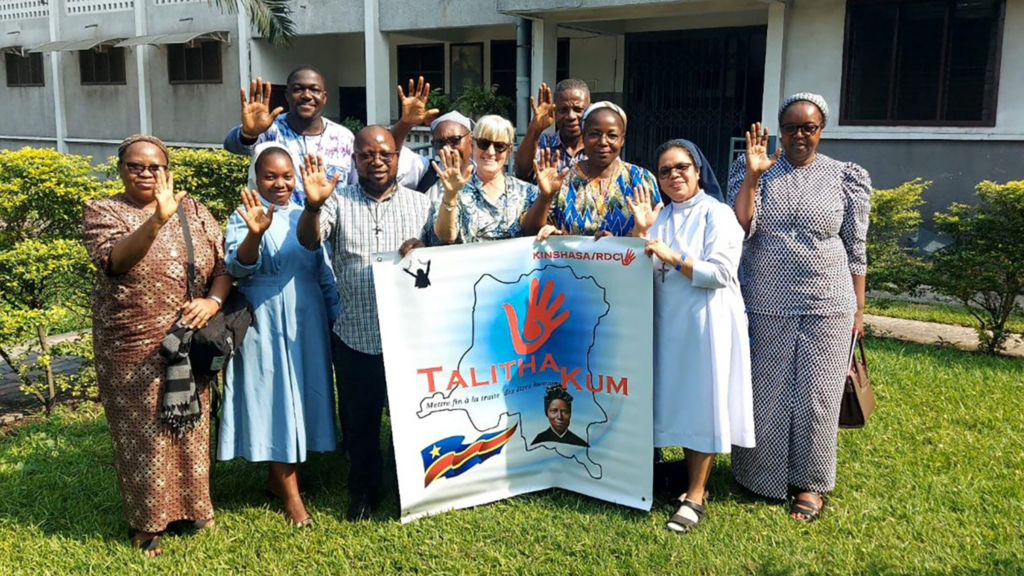
Sister Loredana Dalla Libera, a Comboni missionary and coordinator of Talitha Kum in Kinshasa, is among those fighting criminal networks. July 30 is observed as the World Day Against Trafficking in Persons.
The bus with no stops
One woman told the nun about a bus that offered exceptionally cheap rides on a rainy day. The vehicle filled up with passengers, but it did not stop at any stations. When one of the travelers tried to get off, he was shot dead. The others were taken to a remote camp, and no trace of them remains. The woman managed to escape thanks to the help of one of the kidnappers.
The trap of fake scholarships
Another method of recruiting victims is through fake foreign scholarships. Two students were supposed to go to Canada to study. After a meeting on the dangers of human trafficking, their mother asked one of the sisters for help. Thanks to cooperation with Canadian authorities, it was established that the address where the students were supposed to live was operated by a group that sexually exploits young people. Talitha Kum prevented their departure.
Children forced to fight
In North Kivu, South Kivu, and Ituri, children are forcibly recruited by armed groups operating outside state structures.
“They rape and kill. Then they forcibly take boys and girls with them,” says Sr. Dalla Libera.
The sister met two freed child soldiers. “They were kidnapped by a colonel, taught how to shoot, and after being used, sold to another rival group. These children will carry trauma within them for the rest of their lives,” she emphasizes. According to a UN report based on data from 2021–2022, two thousand children were forcibly recruited in the DRC. Some were only 9–10 years old.