Caroling is one of the most colorful customs of old Polish village culture. Although we associate it mainly with Christmas, it was also a New Year’s ritual – a way of wishing good fortune for the coming year. A custom that combines the joy of Christmas and the hope of the New Year with real help for those in need.
{
How did traditional caroling look?
Caroling was based on wishes – spoken or sung, often rhymed. Carolers were received with respect, and their presence was a natural part of the festive and New Year’s season. The custom involved going from house to house, offering good wishes, and performing a simple show with a joyful and communal character. The visit ended with gifts for the carolers and thanks for the reception.
Star, Nativity Scene, and Caroling Characters
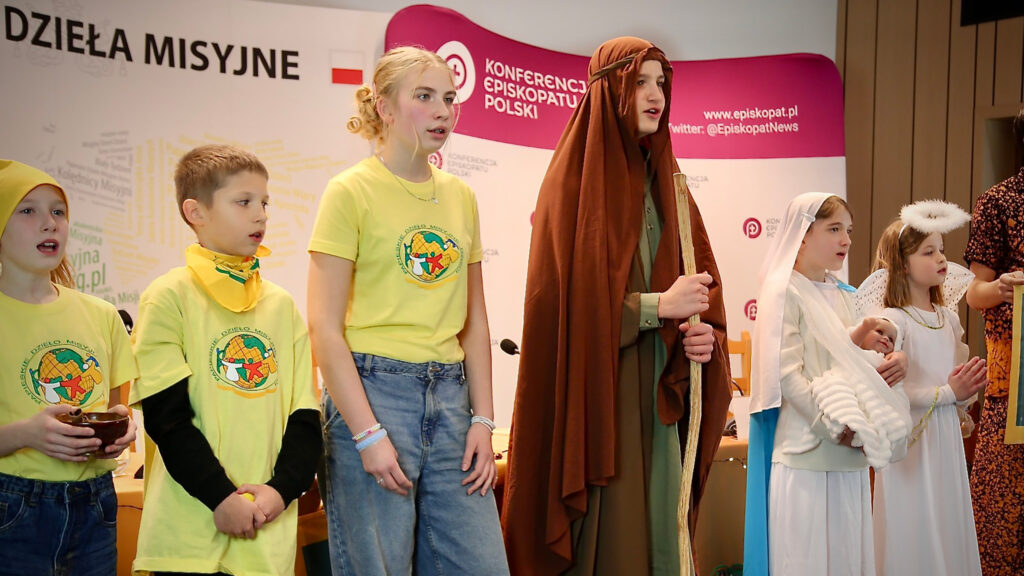
Inseparable elements of caroling were props and costumes. In many regions, carolers carried a caroling star – colorful, often rotating and illuminated, referring to the Star of Bethlehem. In other places, a nativity scene appeared, or entire groups dressed as an angel, shepherd, king, Herod, devil, or death. Song, spoken word, and simple stage play were meant not only to entertain but also to convey religious content and fit into the home celebration of Christmas and New Year.
A Tradition Still Alive Today
Today, caroling is continued in schools, parishes, and cultural centers, and especially as part of the Missionary Carolers initiative. From December 26, children dressed in caroling costumes, with a star and singing, visit homes, offer good wishes, and collect donations to help children in missionary countries – this year especially in Sri Lanka. Thanks to this, the old custom of caroling combines the joy of Christmas and the hope of the New Year with real help for those in need.