People with a pacemaker or ICD defibrillator need regular check-ups where the doctor checks the device, battery, and settings. According to the NHLBI, patients with an ICD visit the doctor at least every six months, and some data may be sent to the doctor remotely from a home monitor.
A well-functioning device works in the background and the patient quickly stops thinking about it – which is, after all, the goal of therapy. However, this same characteristic makes it easy to put off a check-up “for later,” even though it is during this visit that the doctor evaluates the device’s operation and the condition of the heart.
The device works in the background – and that is the point
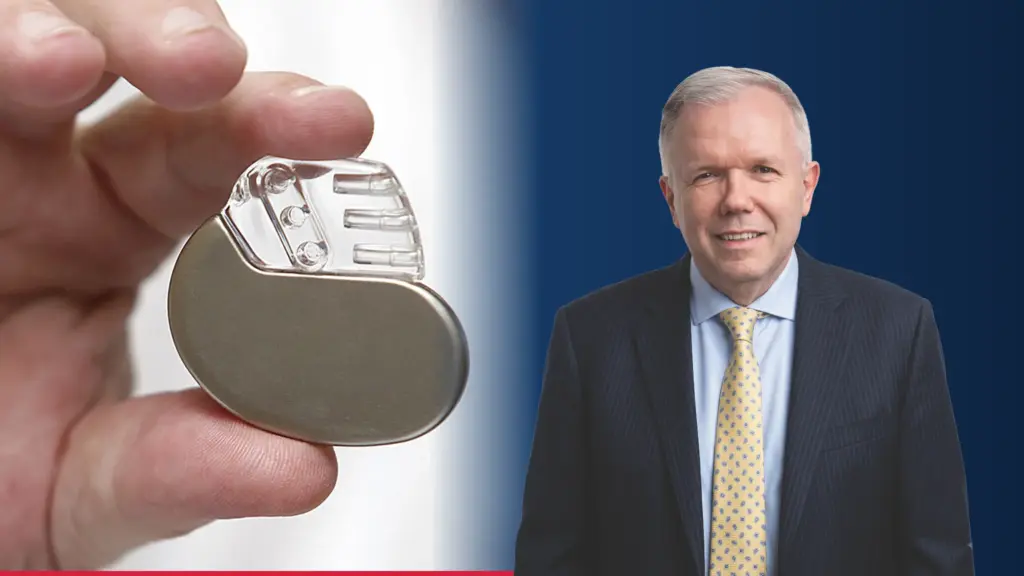
A pacemaker is – as explained by the U.S. National Heart, Lung, and Blood Institute (NHLBI) – a small device that sends electrical impulses to help the heart beat at the correct rate and rhythm. It can also help synchronize the pumping of the heart chambers, which is sometimes needed in heart failure; cardiac resynchronization therapy (CRT) is based on this principle. An implantable cardioverter-defibrillator (ICD) restores the proper rhythm with an impulse or shock and can prevent sudden cardiac death in people at high risk for dangerous arrhythmias (NHLBI on arrhythmia treatment).
Regular visits are necessary after implantation. The NHLBI states that a patient with a pacemaker may need several visits a year to check the device and its settings. Device logs allow the operation to be tailored to the specific patient, and the doctor may also schedule a visit to reprogram the device or update its software (NHLBI on living with a pacemaker).
What is checked during a follow-up
In the case of an ICD, the institute mentions visits at least once every six months. These usually include checking the device and battery, reviewing medications, heart tests such as an EKG, and analyzing remote monitoring data. Some patients receive a home monitor that sends data to the doctor or the device manufacturer, allowing the defibrillator’s operation to be checked between visits as well (NHLBI on living with an ICD).
Over time, a decision planned specifically during check-ups arises: replacing the device (generator with battery). The NHLBI reminds us that pacemakers usually last for many years, but part or all of the device may need replacement, and a depleted ICD battery means a replacement procedure. Regular check-ups allow such a procedure to be planned in advance rather than in a rush.
A separate group consists of patients wearing a wearable cardioverter-defibrillator (WCD) temporarily. The NHLBI emphasizes that it protects only when worn – meaning all the time, except when bathing or showering.
The institute also recommends that patients with a pacemaker carry a device card containing information about the type of pacemaker and leads, implantation date, and the doctor’s contact information. The card is shown, among other times, at airport security and to new doctors.
When to call the doctor vs. when to call 911
The NHLBI recommends contacting a doctor after every defibrillator shock. After one or two strong shocks in a short time, if symptoms have subsided, it is enough to schedule an appointment for the same or the next day. If symptoms do not subside, urgent help is needed – call 911. Contacting a doctor is also necessary if you suspect the pacemaker is not working properly; warning signs may include shortness of breath, dizziness, and fainting.
Several strong shocks in a short time or symptoms of a heart attack or cardiac arrest are considered an emergency by the institute: immediate help is needed then – call 911 or go to the hospital emergency room.
Check-ups without traveling across town
A device check-up is also a conversation – about fainting spells, felt shocks, medications, and planned procedures with other specialists that need to be coordinated with the device. For seniors in Queens, distance also matters: a visit in your neighborhood, in Polish, helps ensure that check-ups happen regularly.
Dr. Adam S. Budzikowski, MD, PhD, FHRS, a cardiologist and electrophysiologist, implants, removes, and monitors pacemakers, ICD defibrillators, and resynchronization systems, and sees patients at the Maspeth Clinic. He also cares for individuals with wearable defibrillators. The scope of this care is described on the Cardiology at the Maspeth Clinic page, and addresses and phone numbers can be found in the Adam S. Budzikowski Physician PC listing in the PolishPages directory. Device check-ups can be scheduled by calling 929-252-9330.
This article is for informational purposes only – it is general information, not medical advice, and does not replace a doctor’s visit. For individual health concerns, you should consult a physician.