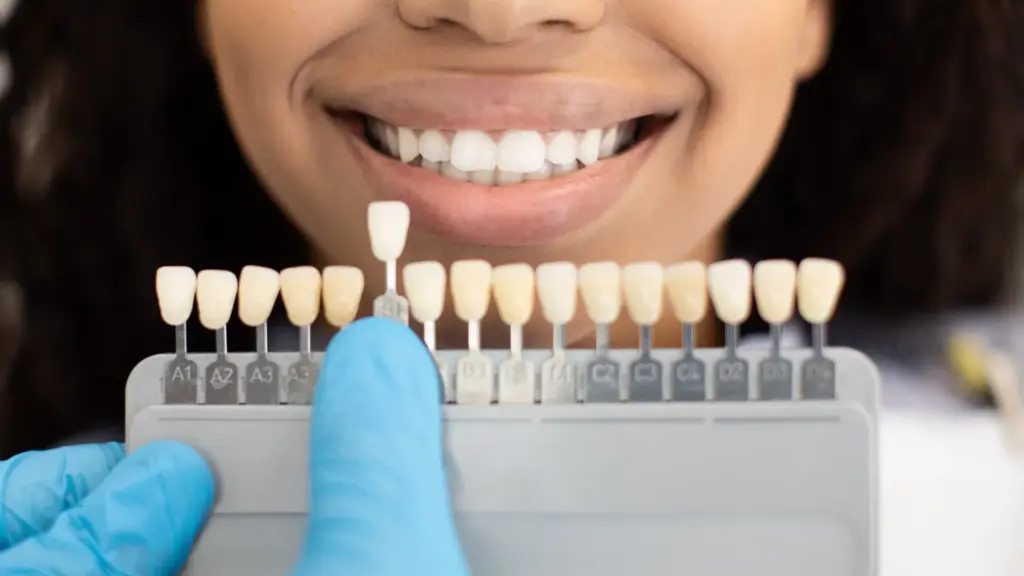
A smile is one of the first things other people notice. Stains, small chips or uneven teeth can make someone start smiling with their mouth closed. Cosmetic dentistry helps improve the look of the teeth so the patient feels more confident every day, at work and in family photos.
Cosmetic treatments at the office
Services at Family Dental Care include:
- veneers,
- cosmetic dental treatments,
- teeth cleaning,
- teeth whitening.
The choice of treatment depends on the condition of the teeth and on what the patient expects. Every case is assessed individually during the visit.
Veneers
Veneers are thin shells bonded to the front surface of the teeth. They can improve the color, shape and proportions of the teeth visible in a smile, for example with stains that do not respond to whitening or with small chips. Before deciding on veneers, the dentist checks the condition of the teeth and gums and discusses the options with the patient.
Cleaning and whitening
A professional cleaning removes tartar and stains that over time give teeth a gray or yellowish tint. Often the smile looks fresher after this alone. Whitening lightens the color of the teeth. Before whitening, the dentist checks that the teeth and gums are healthy and any cavities are treated, because that is a condition for a safe procedure.
The result of whitening depends on the natural color of the teeth and on habits such as drinking coffee or tea and smoking. The dentist will explain how to care for the teeth afterwards so the color lasts as long as possible.
Looks and health go together
A beautiful smile starts with healthy teeth. Before cosmetic treatment, a checkup and treatment of any cavities come first, as described in our article on a Polish family dentist in Greenpoint. When a missing or badly damaged tooth spoils the smile, prosthetic dentistry may be the answer, covered in the article on crowns and bridges at Family Dental Care.
Before treatment, it is worth asking how much of the cost insurance covers. Family Dental Care accepts most insurance plans on the market, and the details can be checked by phone.
The office profile, address and contact details are available in our directory: Family Dental Care in the Polish Pages directory.
Frequently asked questions
Can I speak Polish at the office? Yes. The practice is run by a Polish dentist, and the whole conversation about symptoms, the treatment plan and insurance can take place in Polish. For many patients this is the biggest relief, because it is easier to describe symptoms and ask every question.
Does the office accept insurance? Family Dental Care accepts most insurance plans available on the market. Because plans differ in coverage, it is best to check the details of a specific policy by phone before the visit.
How do I make an appointment? Appointments are made by phone. It helps to briefly describe the reason for the visit and to have the insurance card at hand.
Is whitening right for everyone? Whether whitening is a good option is decided by the dentist after a checkup. Sometimes a professional cleaning or another treatment, such as veneers, gives a better result. That is why the first step is always a consultation.
How long do the results last? It depends on the type of treatment, daily hygiene and habits such as coffee or smoking. Regular checkups and cleanings help keep a bright, well-cared-for smile longer.
Can I come with my whole family? Family Dental Care is a family practice that sees both adults and children. Appointments for several family members can often be scheduled back to back, which saves time, especially for parents who work shifts.
What should I bring to the visit? An insurance card, a photo ID, a list of current medications and any information about previous dental treatment the patient may have. This gives the dentist a fuller picture right away and helps plan the next steps.
Contact
To schedule a visit, please call: 718-472-4344.
More about the practice: Bozena Piekarz-Lesiczka, DDS – Family Dental Care profile.
This article is for information only and does not replace a dental consultation. The scope of treatment is determined by the dentist after examining the patient.