Karol Darmoros, Amedeo Lomonaco
Questions about life
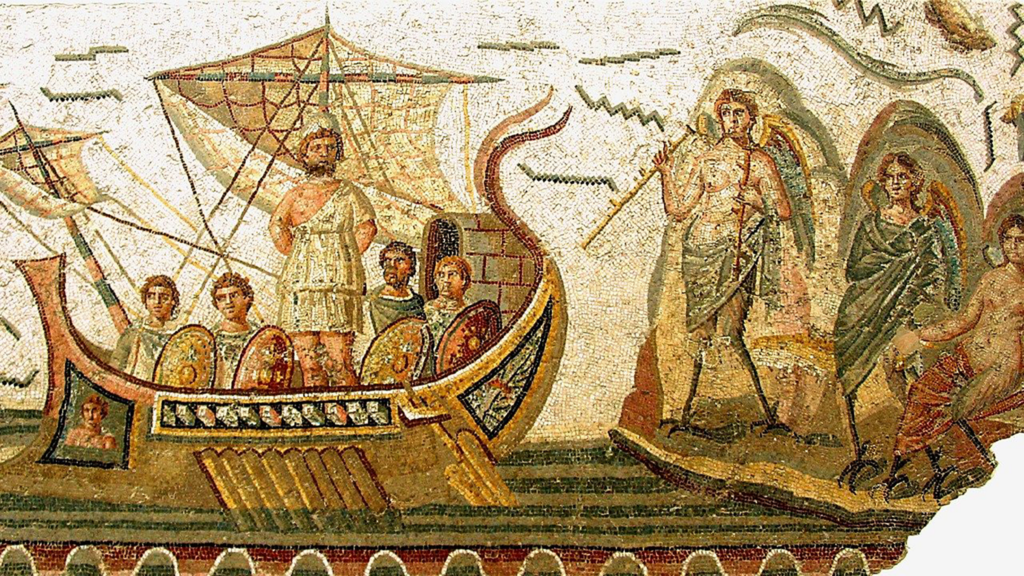
In the encyclical Fides et ratio, John Paul II pointed out that fundamental questions already appear in Homer’s poems: Who am I? Where do I come from? Where am I going? “The common source of these questions is the need for meaning that human beings have always felt deeply in their hearts: the answers to them determine the direction they should give their lives,” he wrote.
In 2012, Benedict XVI recalled that the word “gospel” has a long history and already appears in the Odyssey. There it means “an announcement of victory, and therefore an announcement of goodness, joy, and happiness.” It later also appears in Deutero-Isaiah as a voice announcing that God has not forgotten his people.
Keep searching
Paul VI also referred to Odysseus. During his general audience on December 7, 1966, he warned that certainty of faith must not lead to spiritual passivity. “Is not Odysseus, who—as Dante wrote—longed to know the world, human vices and virtues, greater than the tranquil Penelope?” he asked. He emphasized that faith should encourage people to keep searching for and deepening their understanding of the truth.
The courage to set out
Francis referred to Homer’s poem during his apostolic journey to Greece in 2021. “The journey across a stormy sea, as Homer’s great story teaches us, is often the only way,” he emphasized.
The Pope also recalled Telemachus, who, encouraged to be brave, set out to look for his father. He connected that decision with young people seeking a future and migrants who follow their dreams despite their fear.
“The meaning of life is not to sit on the beach and wait for the wind to bring something new. Salvation is found on the open sea, in energy, in searching, in pursuing dreams—real dreams, dreams dreamed with open eyes, which mean hard work, struggle, headwinds, and unexpected storms,” Francis said.
Two images of the journey
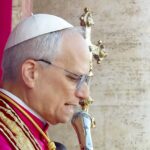
Leo XIV also uses the journey as a metaphor. During his general audience on December 31, 2025, he said: “Our whole life is a pilgrimage whose ultimate destination goes beyond space and time, to be fulfilled in the encounter with God and in full and eternal communion with him.”
Several months later, during a meeting with migrants in Tenerife, the Pope emphasized: “All of us, in a way, are migrants; all of us are pilgrims on the way to our heavenly homeland.” He called on people to work together to make that journey “more human for everyone,” contributing whatever each of us can offer.
Explore Polish community organizations in the Polish Pages directory.