
Functional medicine starts by asking why the body stopped working well, not only by naming a disease. With chronic fatigue and energy swings, clinicians therefore look at blood sugar regulation, insulin, signs of chronic inflammation and lifestyle together, and build a care plan for the individual patient.
“Normal” results, but you still feel unwell
Many patients are told that their tests look fine, even though they feel worse and worse. An afternoon energy crash, sugar cravings after lunch, poorer sleep and fat building up around the waist are easy to blame on age or on working double shifts. Yet these signals may share a common denominator.
The Centers for Disease Control and Prevention (CDC) report that more than 2 in 5 American adults have prediabetes. The agency explains that in prediabetes the body’s cells don’t respond normally to insulin, the pancreas makes more insulin to compensate, and blood sugar rises only once the pancreas can no longer keep up. The condition often goes undetected until serious health problems such as type 2 diabetes show up, according to the CDC’s prediabetes information.
Sound familiar? A short check-up rarely leaves time to connect several seemingly unrelated complaints into one story. A primary care physician checks whether results fall within the reference range, and for good reason. Functional medicine adds another question: which way are the results moving year after year, and what in the patient’s daily life might be behind it?
How blood sugar, insulin and inflammation connect
In a functional approach, a single fasting glucose result is only the start of the conversation. The clinician looks at the whole picture: how the body handles sugar over the course of the day, how hard the pancreas has to work, what blood lipids look like and whether tests point to chronic, “silent” inflammation. These elements often occur together and reinforce one another.
That is why, alongside standard results, the testing panel may include markers that are less often ordered routinely – their scope is decided by the clinician after the history and examination. The history matters as much as the lab work: sleep, stress, meal times, medications, physical activity, shift work. From these pieces emerges a picture that shows where to start making changes.
In short, the goal is not another pill “for fatigue” but finding the mechanism that keeps the fatigue going. A plan usually covers nutrition, movement, sleep and – if needed – treatment prescribed by the clinician, with follow-up testing in the months that follow.
What this means for the Polish community in Brooklyn and the Hudson Valley
For many Polish families in Greenpoint and Williamsburg, as well as for residents around Port Jervis in Orange County, the biggest barriers are time and language. A conversation about test results packed with a dozen medical terms in English rarely ends with full understanding of the plan. And a plan the patient doesn’t understand is hard to follow at home.
For a first visit, it helps to bring test results from recent years – including tests done in Poland – along with a list of medications and supplements. Comparing older and newer results often says more than a single test, and a complete list of products helps avoid unwanted interactions.
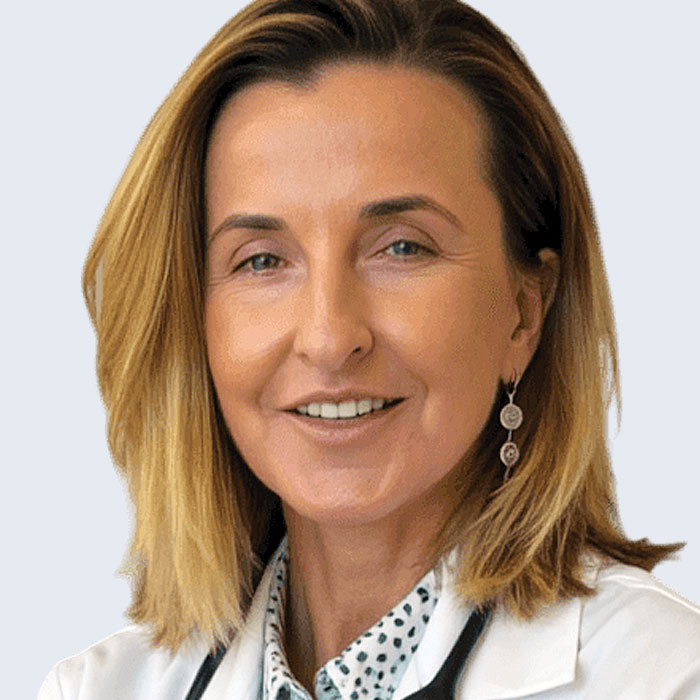
Functional medicine, including evaluation of blood sugar problems and chronic inflammation, is offered in Polish by Magdalena Szczepanska, MSN, APRN, ANP-C – a board-certified Adult Health Nurse Practitioner with more than 25 years of experience in healthcare and a certification in functional medicine. She sees patients at the Downstate Adult Health NP offices in Greenpoint and in Port Jervis.
Services, credentials and contact details are listed in the Downstate Adult Health NP profile in the PolishPages directory, and appointments can be scheduled at 845-672-6033.
Sudden symptoms – severe chest pain, shortness of breath, loss of consciousness, sudden trouble speaking or seeing – require an immediate call to 911, not an appointment.
This article is for informational purposes only and does not constitute medical advice. Every health situation requires an individual assessment – please contact Downstate Adult Health NP.