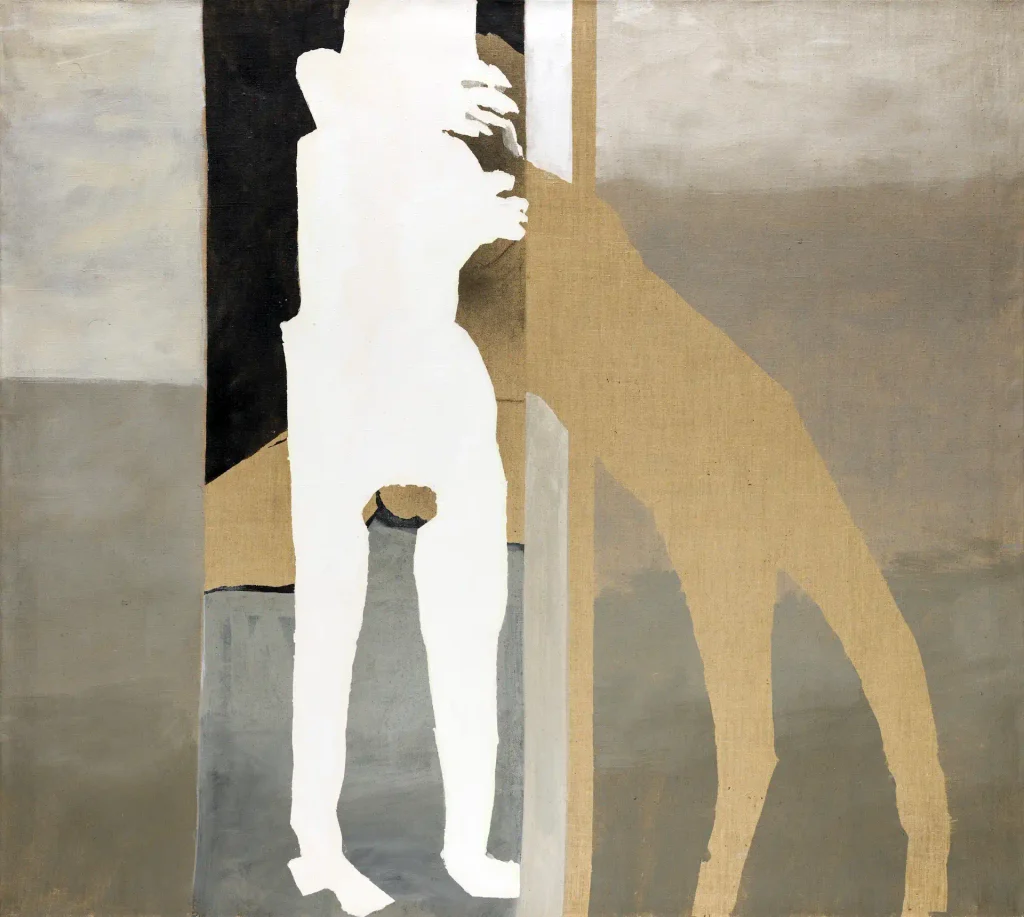
Works by Wojciech Fangor, Magdalena Abakanowicz, Teresa Pągowska, and Stefan Gierowski from the private collection of Arthur and Elizabeth Dempster in the USA can be viewed free of charge until September 30, 2026, at the “Classics of the Avant-Garde after 1945” exhibition at DESA Unicum, located at 1 Piękna Street in Warsaw. The collection has been growing since the 1950s in New Jersey.
For decades, they hung in a private home in the United States, far from the Polish public. Now, paintings by Fangor, Abakanowicz, Pągowska, and Gierowski are returning to Poland to form one of the most fascinating parts of the “Classics of the Avant-Garde after 1945” exhibition at the DESA Unicum auction house in Warsaw. For readers on this side of the Atlantic, this story is all the more relatable because it began in New Jersey—starting simply as a matter of neighborly proximity.
A house in New Jersey and neighbors across the fence
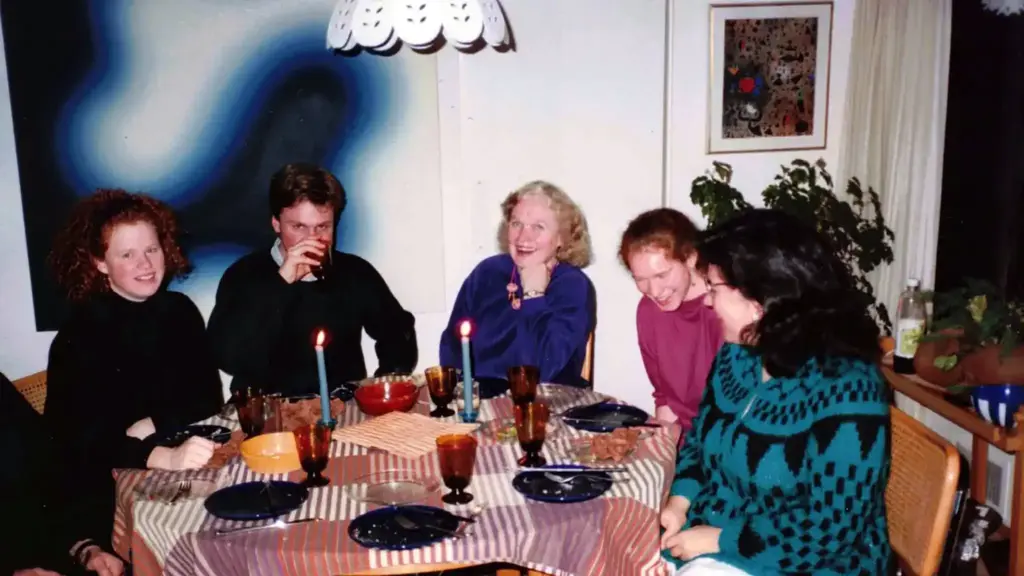
The year is 1957. Arthur Dempster, a young PhD in mathematical statistics, moves with his wife Elizabeth into a home in New Jersey. In the backyard behind their property live Witold and Hanka Sylwestrowicz, a Polish couple about twenty years their senior. They quickly become not only close friends to the Dempsters, but also guides to Polish and European culture. Shared weekends and long conversations lead from the Sylwestrowicz family’s wartime experiences to the Bauhaus, Le Corbusier, and contemporary painting.
The Sylwestrowiczes were not ordinary neighbors. In their modernist home in Bernardsville, New Jersey, they assembled a collection of post-war Polish art that Paulina Janiszewska, project leader for “Classics of the Avant-Garde after 1945” at DESA Unicum, calls the first and largest collection of its kind in the United States.
“Their home became an informal center of Polish culture in America and a meeting place for figures in art and science. Arthur and Elizabeth adopted a similar mindset regarding collecting. Art was part of their daily lives, and the pieces they gathered served as traces of the relationships they built and direct contacts with artists,” says Paulina Janiszewska.

The statistician who bought paintings from friends
For Dempster, this was a world far removed from his everyday work. Associated with Harvard University for decades, he was one of the preeminent statisticians of his generation. He is a co-creator of the EM algorithm, one of the fundamental methods of modern statistics used today by anyone analyzing data—from medicine to artificial intelligence.
However, he encountered Polish art not through textbooks and galleries, but through people, their homes, and personal relationships. Over time, the Dempsters began building their own collection. They visited Wojciech Fangor in his American studios. At a New York charity auction in 1977, they purchased a work by Magdalena Abakanowicz. From a trip to Warsaw, they brought back a painting by Teresa Pągowska.
“That is precisely what makes the collection of Arthur and Elizabeth Dempster so interesting today. It was born out of friendship, curiosity, and an openness to another culture, and fifty years later it features names of the highest market and international recognition,” Janiszewska adds.
What to see
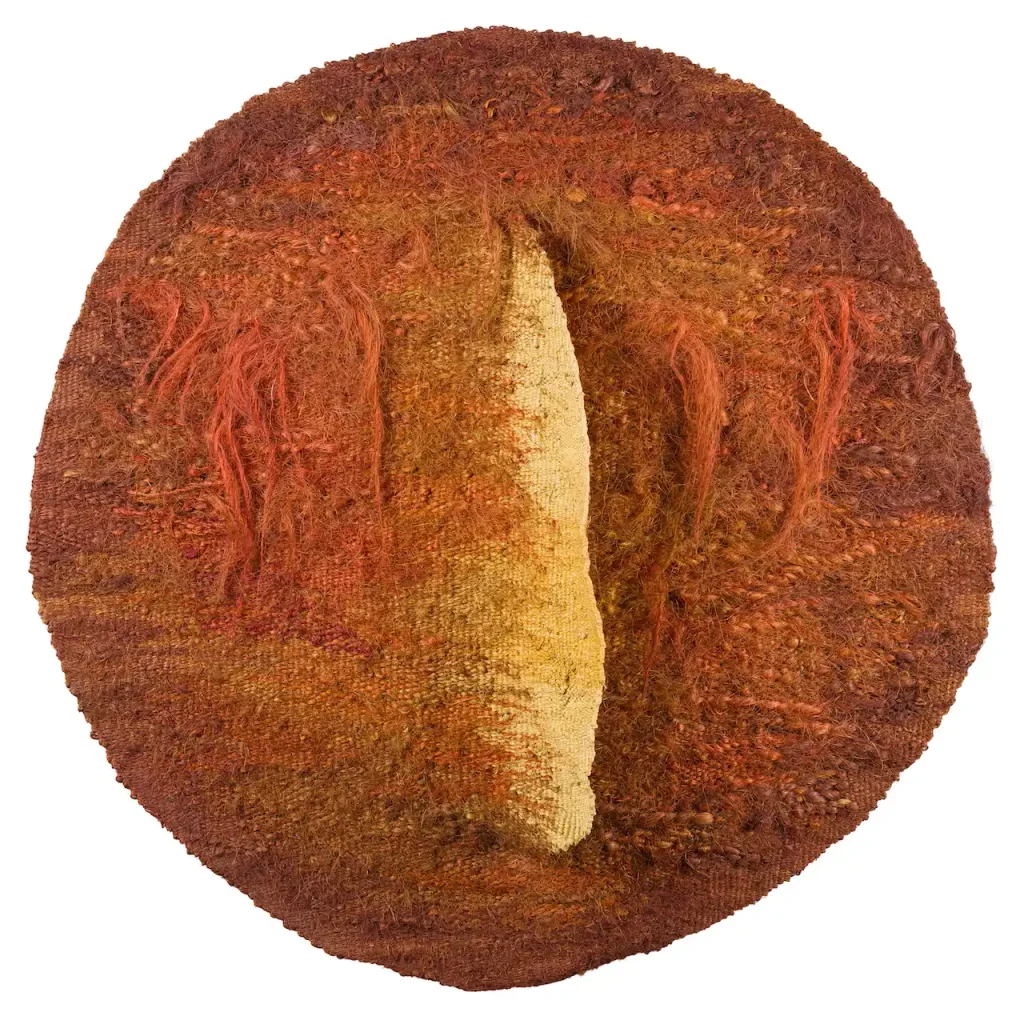
At the exhibition on Piękna Street 1A, the history of this collection is told through specific works: two paintings by Wojciech Fangor—”SU 15″ and “M 18″—Magdalena Abakanowicz’s “Circle II”, Teresa Pągowska’s “Monochrome VII”, and Stefan Gierowski’s “Painting LXXXII”.
Alongside them are works by Stanisław Fijałkowski—an early 1950s composition and a canvas from the “Highways” series—as well as paintings by Jan Tarasin, Henryk Stażewski, Marek Oberländer, and a self-portrait by Maryan. The Gruppa movement is strongly represented with works by Włodzimierz Pawlak, Marek Sobczyk, and Paweł Kowalewski, among others.
Women of the Polish avant-garde
The organizers ensured a prominent presence of female artists from various generations. The exhibition features works by Magdalena Abakanowicz, Teresa Pągowska, Ewa Kuryluk, Halina Wrzeszczyńska, Teresa Tyszkiewicz, Wanda Gołkowska, Jadwiga Sawicka, and Maria Anto.
“The broad presence of female artists’ works in the exhibition reminds us that the history of Polish art cannot be told without the output of women—including those whose position for years remained disproportionate to the artistic standing of their achievements,” says Agata Szkup, CEO of DESA Unicum. As an example, she points to Halina Wrzeszczyńska, whose work is experiencing a renaissance after years of obscurity, and Maria Anto with her piece “Powązki”.
Until September 30, free of charge
The exhibition “Contemporary Art. Classics of the Avant-Garde after 1945. With works from the collection of Arthur and Elizabeth Dempster” can be viewed free of charge at the DESA Unicum headquarters at 1 Piękna Street in Warsaw until September 30. Afterward, the paintings will likely return to private collections. Anyone with loved ones in Warsaw these days can suggest this address—it is a rare opportunity to see in one place works that spent half a century hanging in a home in New Jersey.
Ewelina Modrzejewska
Based on press materials from DESA Unicum.