Cecilia Seppia, Piotr Kowalczuk
“This threat stems primarily from long distances, unpredictable ocean conditions, overcrowded and unseaworthy vessels” – explained the UNHCR spokesperson, calling for the creation of safe humanitarian corridors.
The migrants’ odyssey
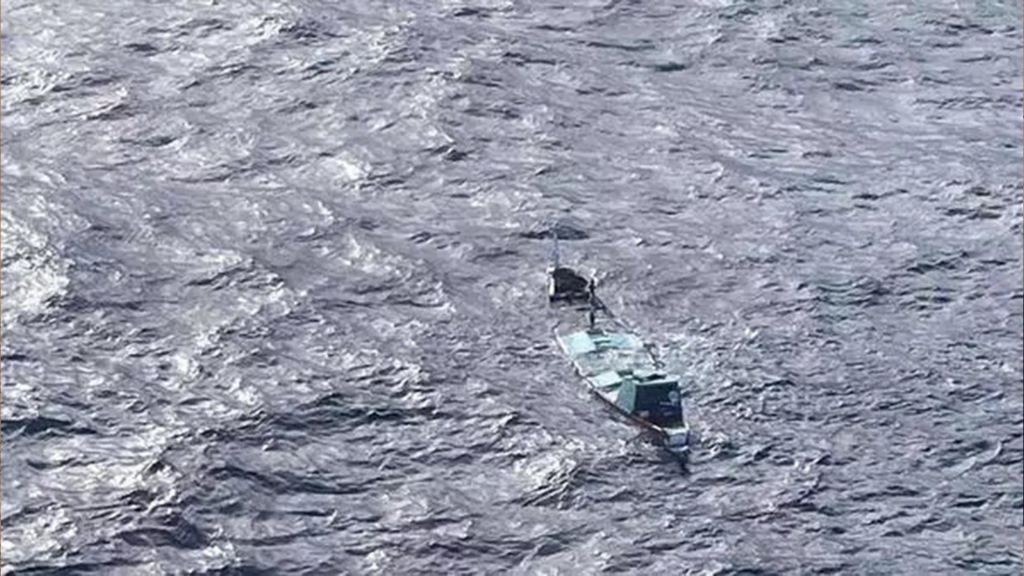
The journey on the pirogue, which set sail from Bufalo in Gambia, lasted 25 days. The migrants wanted to reach Spain’s Canary Islands. There were a total of 144 passengers on board, including women and children, but only 38 people survived. The rest died or went missing.
According to the survivors, they traveled mercilessly crowded, towards the end of the journey without food and drinking water. The reconstruction of the shocking events shows that the boat’s engine broke down after a few days, leaving the pirogue at the mercy of unpredictable and violent ocean currents.
As the weeks went by, the situation became increasingly dramatic. The passengers, exhausted by heat and fatigue, ran out of drinking water. They had to drink salty seawater to survive. Many died of hunger, dehydration, and exhaustion.
Nouadhibou – humanitarian aid center
They finally reached the coast of Mauritania near the port of Nouadhibou. The migrants were taken care of by the coast guard, which between July 14 and 18 rescued a total of 390 migrants who arrived aboard several boats and ships.
The port of Nouadhibou has become the de facto logistical epicenter of humanitarian aid, despite lacking sufficient resources to guarantee adequate medical care. Doctors from the local hospital attended to the survivors of the Gambian pirogue, arranging hospitalization for those suffering the most. Since the beginning of the year, 17 ships carrying migrants have arrived in Mauritania, totaling 2,147 people.