Fr. Łukasz Bankowski – Vatican
The Pope on “New Things”
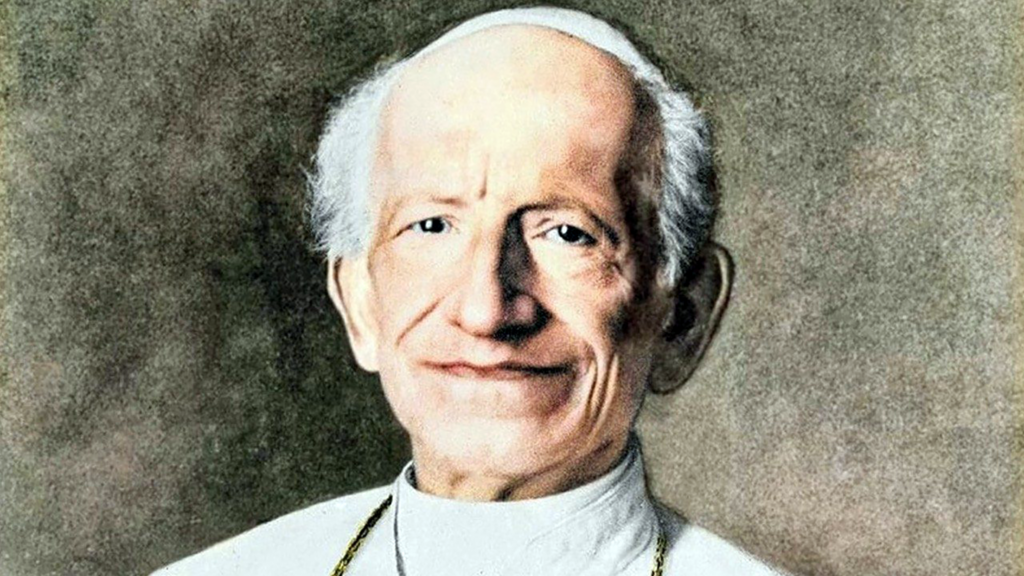
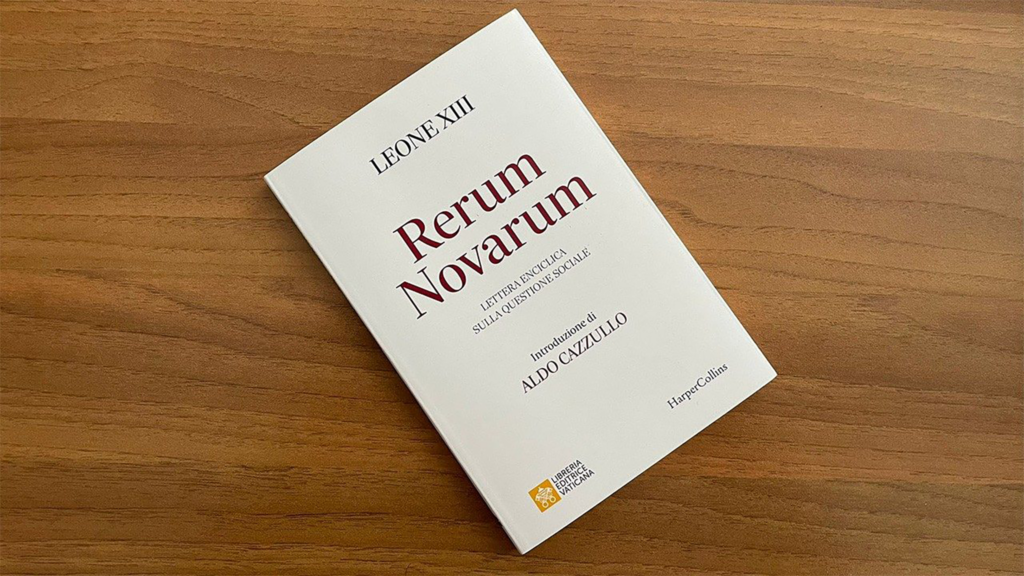
The title of the encyclical “Rerum novarum”, meaning “On New Things”, referred to the rapid social and economic changes of the late 19th century. The Industrial Revolution brought about technological and economic development, but at the same time deepened social inequalities. Many workers toiled for over a dozen hours a day, without social security, fair wages, or legal protection. The Pope wrote then: “Certainly, many considerations must be taken into account to determine a just wage; in general, however, the rich and the employer should remember that in determining wages, neither Divine nor human laws permit one to profit from the poverty and misery of others, nor to exploit the poverty of others in general.”
Leo XIII recognized that the Church could not remain indifferent to the suffering of working people. The encyclical was an attempt to answer the question of how to build a just society in a world of rapid economic change.
Between Capitalism and Socialism
The Pope opposed both ruthless capitalism, which reduced man to a mere tool of production, and socialism, which rejected private property and religion.
Leo XIII reminded that work has a moral and spiritual dimension, and man cannot be subjected solely to the logic of profit. He defended the right to private property, but at the same time emphasized the social responsibility of owners and the duty to care for the common good.
The encyclical also contained postulates that were groundbreaking at the time: the right to a just wage, rest, family protection, and the right of workers to form trade unions. The Holy Father defended human dignity. “Here again are the duties of the rich and employers: not to consider the worker as a slave, to be guided by the principle that his personal dignity, further elevated by his Christian character, must be respected,” wrote the Pope of a time of change.
The Foundation of Catholic Social Teaching
“Rerum novarum” initiated the development of modern Catholic social teaching. Subsequent popes repeatedly returned to Leo XIII’s document, developing his insights in the face of new social and economic challenges, including Pius XI in the encyclical “Quadragesimo anno” and John XXIII in “Mater et magistra”.
On the hundredth anniversary of the encyclical’s signing, St. John Paul II issued the document “Centesimus annus”, in which he recalled that economic freedom must be rooted in the truth about man and his dignity.
Also in contemporary teaching, the Church constantly returns to questions of social justice, exploitation, poverty, and the economy’s responsibility for the human person.
Relevant Even Today
Although 135 years have passed since the publication of the encyclical, many of the problems described by Leo XIII remain relevant. Job instability, worker exploitation, growing social inequalities, and the subordination of life to market logic mean that the message of “Rerum novarum” still resonates remarkably today.