Vatican News
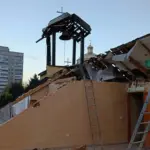
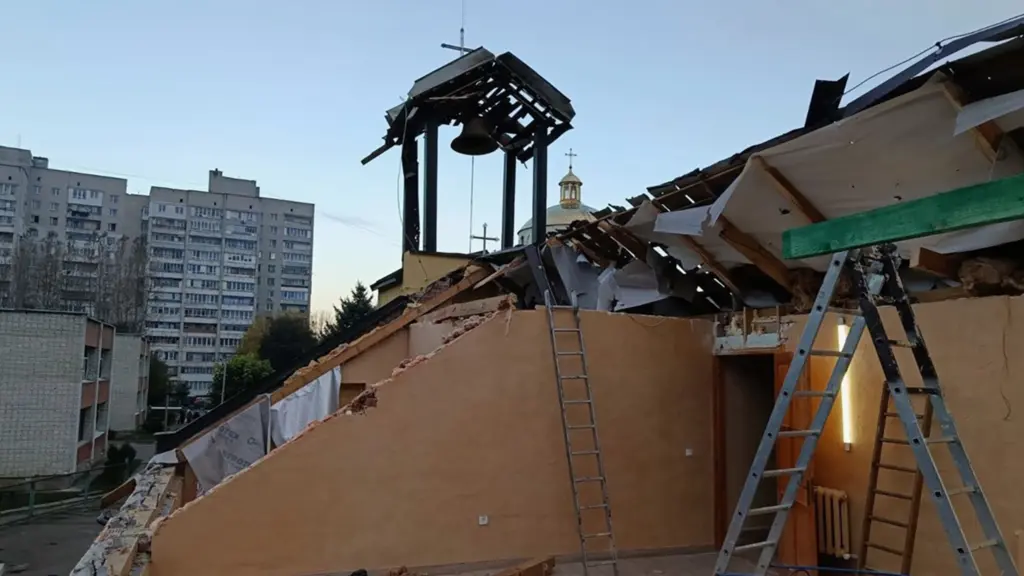
According to the Kyiv News Agency (KNA), more than 60 religious sites have been affected since February 2026. In total, since the beginning of the Russian aggression four and a half years ago, the Russian army has destroyed or severely damaged 807 such sites. Furthermore, over 13 religious educational institutions have been destroyed.
Ukrainian Orthodox Church in the crosshairs
More than half of the destroyed places of worship—432—belong to the Ukrainian Orthodox Church, which was under the jurisdiction of the Moscow Patriarchate until May 2022 and declared independence following the outbreak of full-scale Russian aggression. These figures are provided by the NGO Working Group for the Academic Study of Religion.
The remaining destroyed religious sites belong to Protestant communities (207), the independent Orthodox Church of Ukraine (83), the Greek Catholic and Roman Catholic Churches (37 in total), Jewish communities (24), and Muslim communities (8). The statistics also include 16 sites belonging to other denominations.
Six Catholic churches damaged in 2026
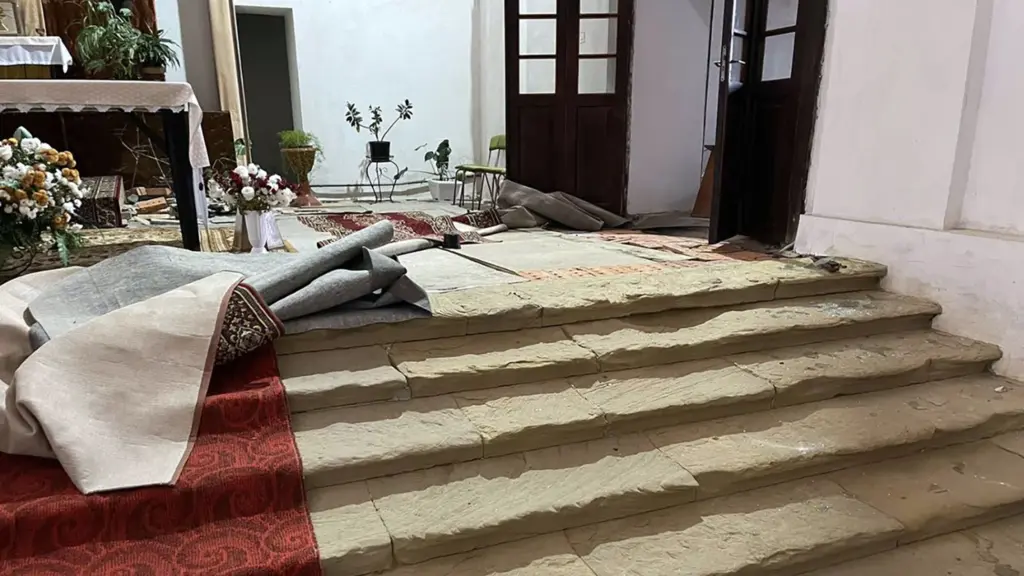
Between February 2 and September 21, 2026, 65 religious sites were affected as a result of military operations. Most of them—37—are buildings belonging to the Ukrainian Orthodox Church. Additionally, 13 Protestant churches, eight sites belonging to the Orthodox Church of Ukraine, and six Catholic churches were damaged or destroyed.
According to the NGO, many religious sites have been attacked by Russians multiple times. Around 80 buildings have been completely destroyed, and more than 130 others have been damaged to such an extent that they cannot be rebuilt.
War disrupts grain supplies
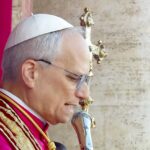
Another issue is the paralysis of grain supplies from Ukraine to African countries and other regions of the world. Ukrainian grain traditionally provides bread for residents of many impoverished regions. Leo XIV spoke about this after the Angelus prayer on Sunday, October 11.
“The war in war-torn Ukraine continues to cause suffering even far beyond its borders, especially in the poorest countries, where many people depend on grain imports,” Leo XIV pointed out.
“I make a heartfelt appeal to the parties to the conflict to allow the safe transport of grain across the Black Sea. The daily bread of millions of people cannot be a hostage to war,” the Pope added.