Salvatore Cernuzio, Sr. Amata J. Nowaszewska CSFN
St. Peter’s Square in the past year witnessed events of particular significance for the Church: the funeral ceremonies of Pope Francis and the celebrations related to the election of his successor. All this in the very center of the Jubilee – the Holy Year dedicated to hope. The Jubilee was opened by Francis, and Leo XIV will soon close it. An unprecedented year – two popes in one, extraordinary time for the People of God.
However, the year 2025 was also marked by escalating international tensions and successive crises, which both Francis and Leo XIV described as “the third world war in pieces.”
The World in Rome
Over 30 million pilgrims from around the world visited Rome during the Jubilee, both for ordinary visits and over 30 special events dedicated to various groups.
The faithful accompanied Pope Francis during his illness and passing, participating in evening rosary prayers in St. Peter’s Square and praying in the courtyard of the Polyclinic, thus continuing their pilgrimage after passing through the Holy Door.
Pope Francis was hospitalized at the Gemelli Polyclinic from February 14; his hospitalization ended with his death on April 21 and his funeral five days later, on April 26. Over 250,000 people attended the funeral ceremonies of Jorge Mario Bergoglio, and almost twice as many paid tribute to the deceased Pope during the lying in state in St. Peter’s Basilica.
Francis: Ministry and Last Months
Pope Francis held jubilee audiences and meetings from early January to mid-February, starting the year with the Angelus prayer and recalling the suffering caused by war. In mid-February, he was hospitalized due to an exacerbation of bronchitis and a respiratory infection, requiring further hospital treatment. Despite his weakening, he continued his pastoral activity, holding general audiences, meetings, and evening phone calls with a parish in Gaza. During this time, two significant appointments also took place: Sr. Simona Brambilla was appointed Prefect of the Dicastery for Institutes of Consecrated Life and Societies of Apostolic Life, and Sr. Raffaella Petrini took over as President of the Pontifical Commission and Governorate of Vatican City State – the first time women religious headed such important curial bodies.
After hospitalization, on March 22, the Pope was discharged from the hospital and the next day made his first public appearance on the Gemelli balcony. He then returned to the Vatican, stopping briefly at the Basilica of Santa Maria Maggiore, which later became his burial place. During this period, three public appearances took place – during the Jubilee of the Sick, at the tomb of St. Pius X, and during the Easter Urbi et Orbi blessing.
On April 21, 2025, Cardinal Kevin Joseph Farrell announced the death of Pope Francis due to a stroke and cardiorespiratory failure. This was followed by a farewell in Santa Marta and St. Peter’s Square, with the closing of the apartment in the Apostolic Palace, a funeral procession through the streets of Rome, and burial in the Basilica of Santa Maria Maggiore in a simple marble tomb, which is still a destination for the faithful.
Conclave and Election of Leo XIV
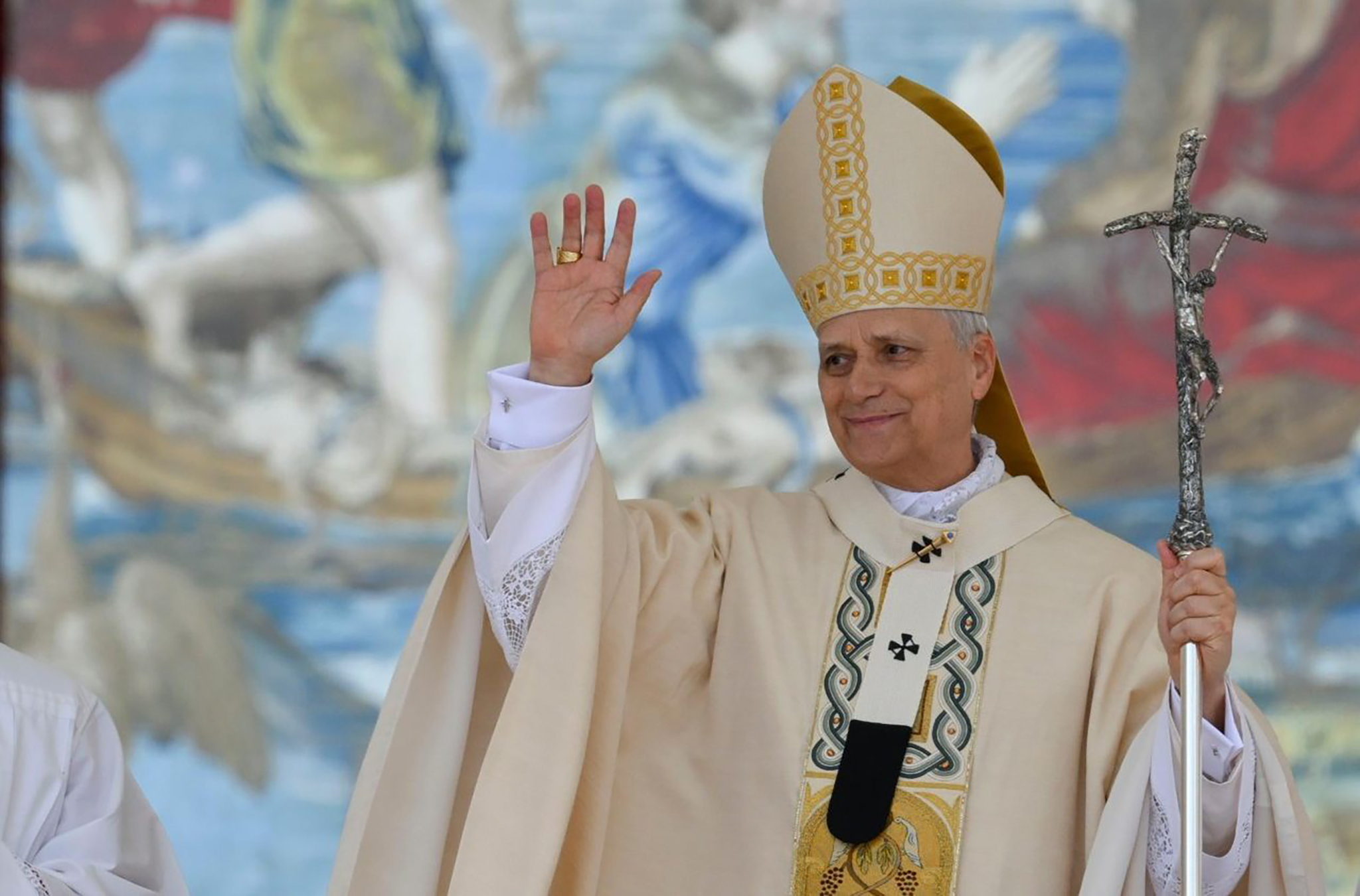
After the end of Francis’ pontificate, a period of preparation for the election of the new Successor of St. Peter began. On April 27, Cardinal Secretary of State Pietro Parolin celebrated the first novena Mass before the conclave. On April 28, 180 cardinals – electors and seniors over 80 years old – arrived in Rome for the first general congregations preparing for the election of the Pope. The election itself, which took place on May 7, concluded on May 8 during the fourth ballot, when Cardinal Robert Francis Prevost was elected the 267th successor of St. Peter. He is the first Pope from the United States, with missionary and pastoral experience in Peru, with a background in mathematics and canon law, and a former Superior General of the Order of St. Augustine and Prefect of the Dicastery for Bishops.
The new Pope took the name Leo XIV, referring to Leo XIII, author of “Rerum Novarum.” The word he spoke during his first address was: “Pax” – “Peace.” He repeated it ten more times, defining the tone of his pontificate.
Activity for Peace
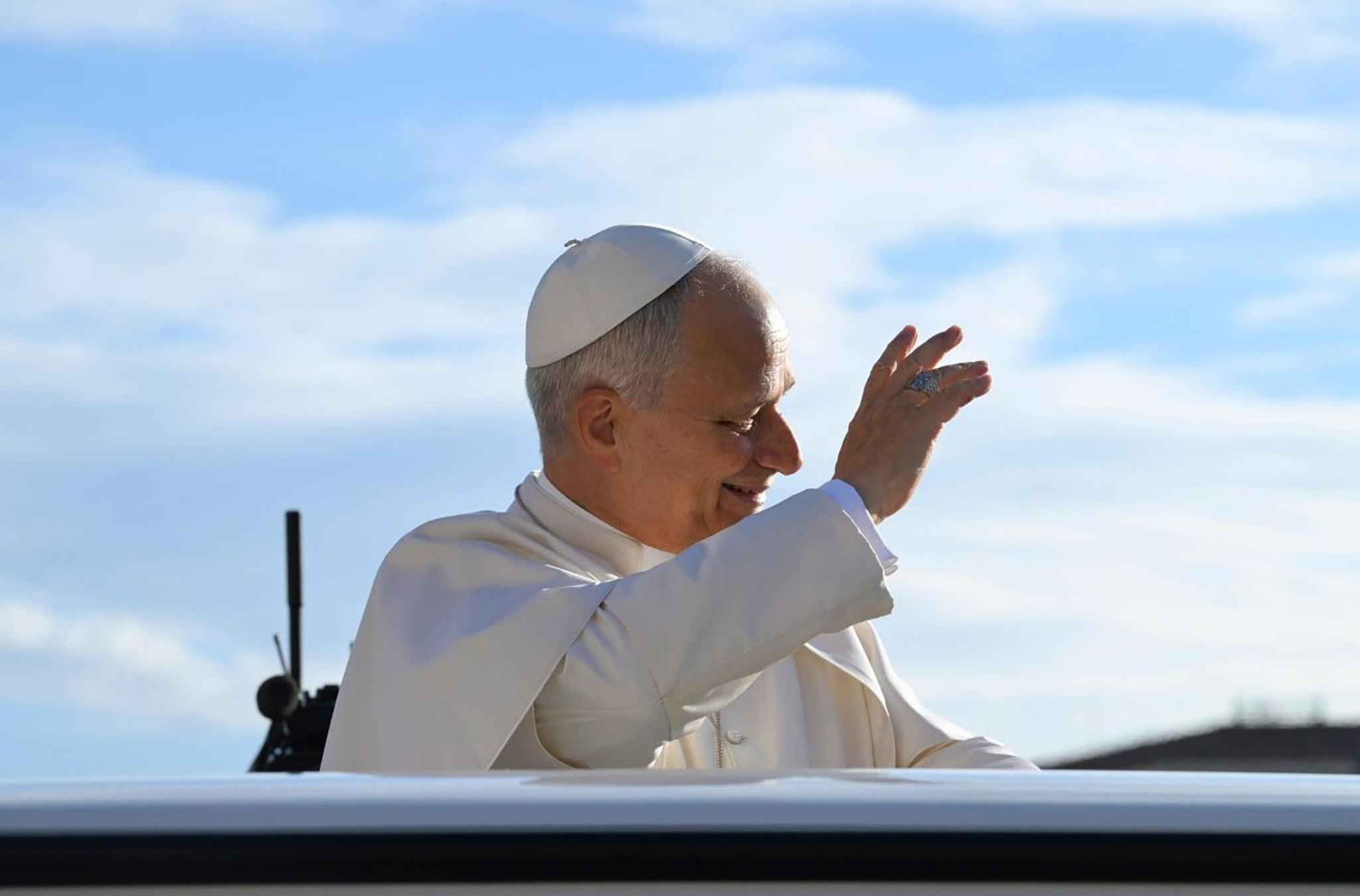
The pontificate of Leo XIV began on May 18 with an inaugural Mass in St. Peter’s Square. From the outset, the Pope undertook peace initiatives, calling on world leaders to end wars and maintaining contacts with the leaders of Russia and Ukraine, including several times with Volodymyr Zelenskyy.
Leo XIV proposes the Vatican as a space for mediation in conflicts. On Middle East issues, he received Israeli President Isaac Herzog and Palestinian President Mahmoud Abbas, calling for a ceasefire, access to humanitarian aid, and a two-state solution. In his speeches, he emphasizes the need to reject the logic of violence and retaliation and points to the necessity of peaceful coexistence, which he also reiterates in his message for the 59th World Day of Peace, criticizing relations between nations based on fear and force instead of justice and trust.
Youth at the Center of 2025
Leo XIV took over all the jubilee commitments from his predecessor, including the canonization of two young saints: Carlo Acutis and Pier Giorgio Frassati. Both were canonized on September 7 during a joint ceremony in St. Peter’s Square, in the presence of thousands of faithful, primarily young people.
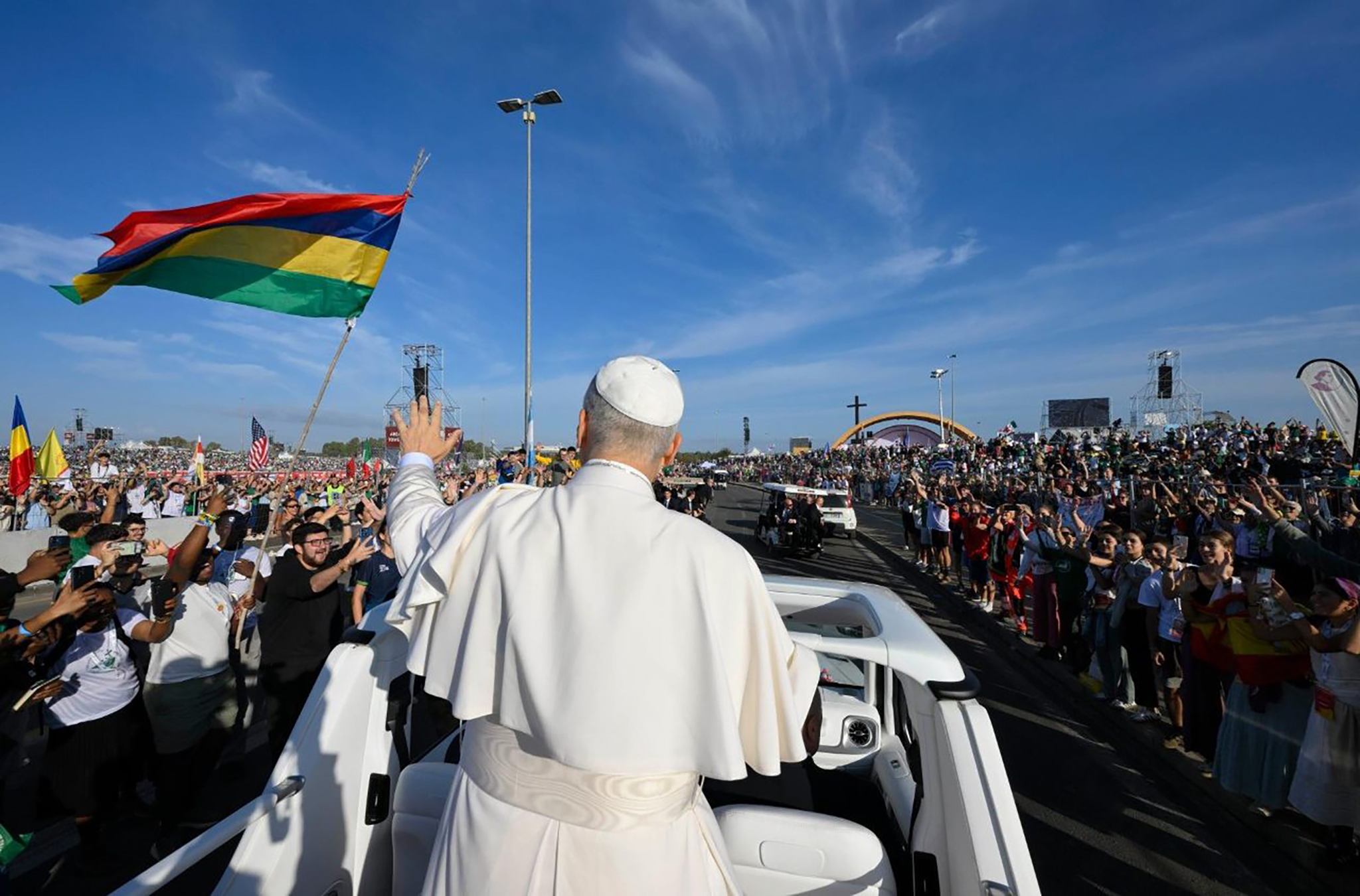
One of the key events was the Youth Jubilee week (July 28–August 3), during which over a million young people came to Rome, participating in meetings, vigils, and Masses. The Pope encouraged them to build true relationships, overcome digital isolation, and aspire to peace and holiness. Also memorable were the spontaneous rides in the popemobile along Via della Conciliazione and St. Peter’s Square, and the visit on October 17 to Ostia aboard the Med25 Bel Espoir, where the Pope met young people from various countries and religions, calling on them to give “signs of hope” in a world full of violence and hatred.
Apostolic Journey to Turkey and Lebanon
Leo XIV’s first apostolic journey (November 27–December 2) included Turkey and Lebanon. In Ankara, the Pope met with state authorities, and in Istanbul, with the Ecumenical Patriarch Bartholomew I, to participate in a commemorative ceremony in Iznik, the site of the historic Council of Nicaea.
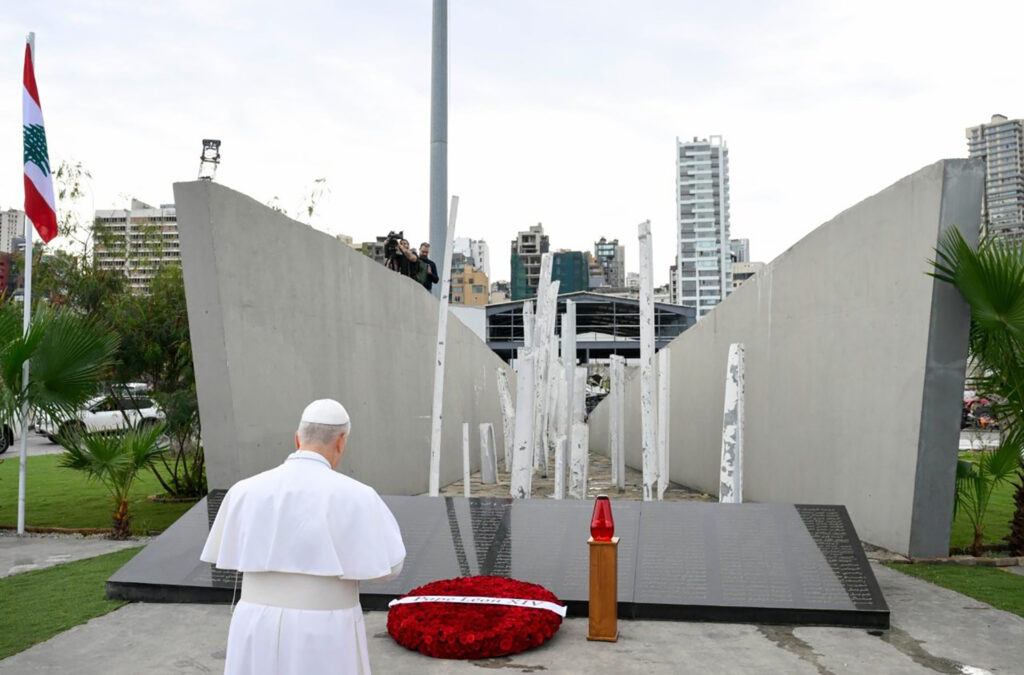
In Lebanon, the Pope visited Beirut, praying in the port destroyed by the explosion in 2020 and meeting with survivors and families of the victims. In Bkerké, he presided over a meeting of youth from the region, and also met patriarchs, representatives of other churches, and religious leaders, calling on parties to conflicts to resolve disputes peacefully.
Appointments and Decisions
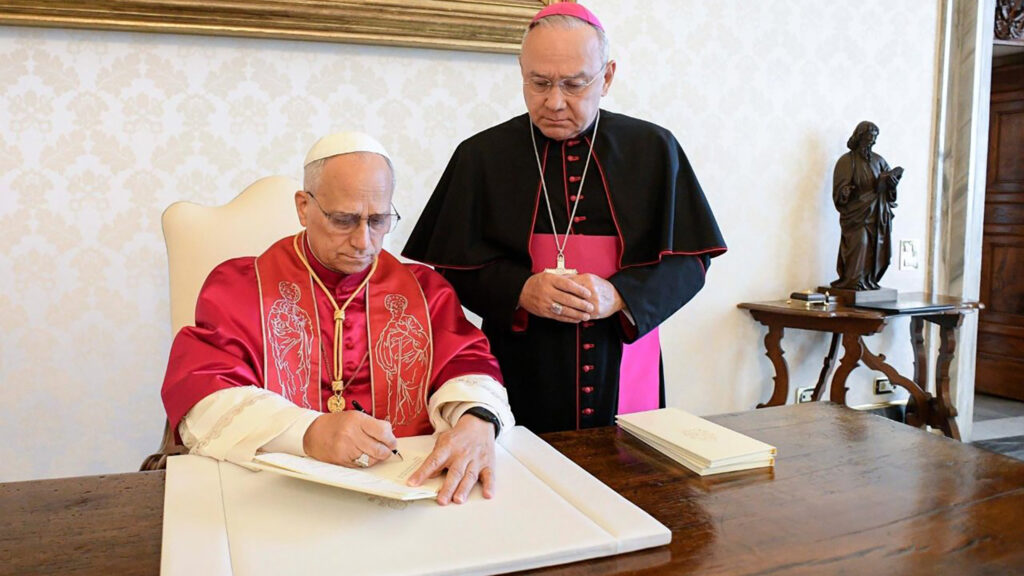
In 2025, Leo XIV made key appointments in the Roman Curia and the Church. The former Prefect of the Dicastery for Legislative Texts, Archbishop Filippo Iannone, a Carmelite, was appointed Prefect of the Dicastery for Bishops. The Pope appointed Nigerian Augustinian Father Edward Daniang Daleng as Vice-Regent of the Prefecture of the Papal Household. Father Anthony Onyemuche Ekpo was appointed Assessor for General Affairs in the Secretariat of State of the Holy See. New archbishops were also appointed in New York, Westminster, and Krakow.
Through motu proprio, rescripts, and chirographs, the Pope introduced financial reforms, abolishing the IOR’s exclusivity in investments and introducing shared responsibility with APSA, restored the functioning of the Center of the Roman District, published a new Regulation of the Roman Curia, supported the integration of people with disabilities into the Vatican’s workforce, and abolished the Commission for donations to the Holy See.
The Upcoming Year 2026
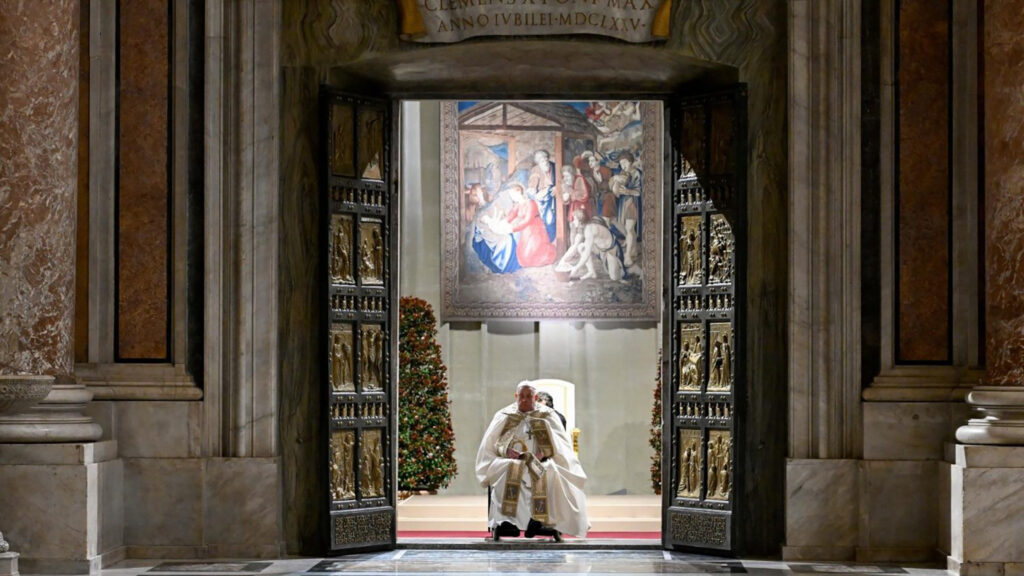
Pope Leo XIV faces many challenges in the coming year, both in the pastoral and administrative spheres. The Jubilee will conclude on January 6 with the closing of the Holy Door in St. Peter’s Basilica, followed by an extraordinary consistory scheduled for January 7–8, 2026, aimed at supporting the Pope in leading the universal Church.
In the coming year, the Pope will focus on continuing the reforms of the Curia and Vatican finances, actions for peace and interreligious dialogue, mediation in conflicts, and supporting youth and those in need, emphasizing listening, synodality, and the unity of the Church.