Holy Mass on the anniversary day
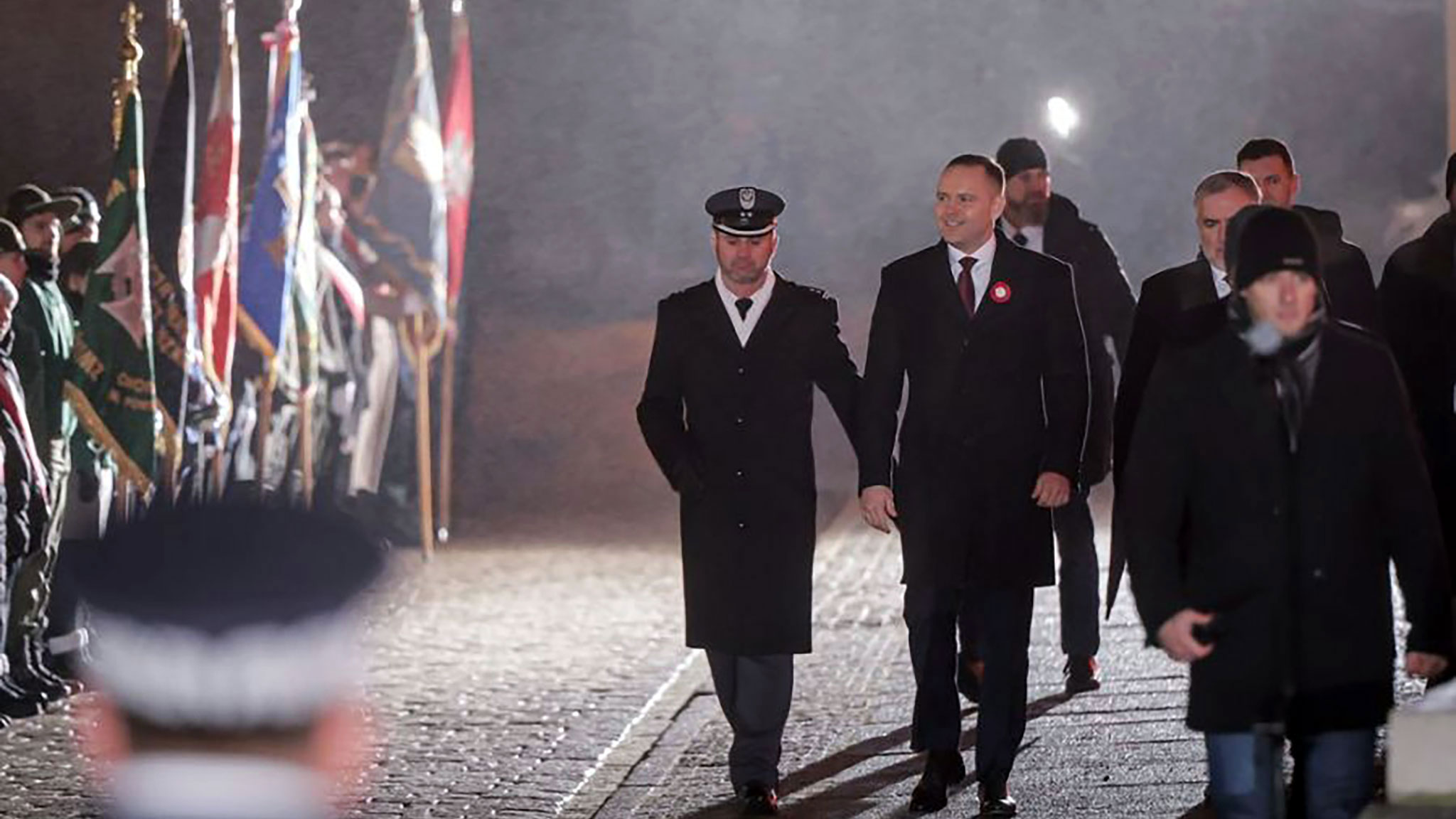
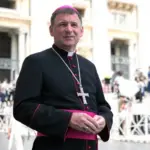
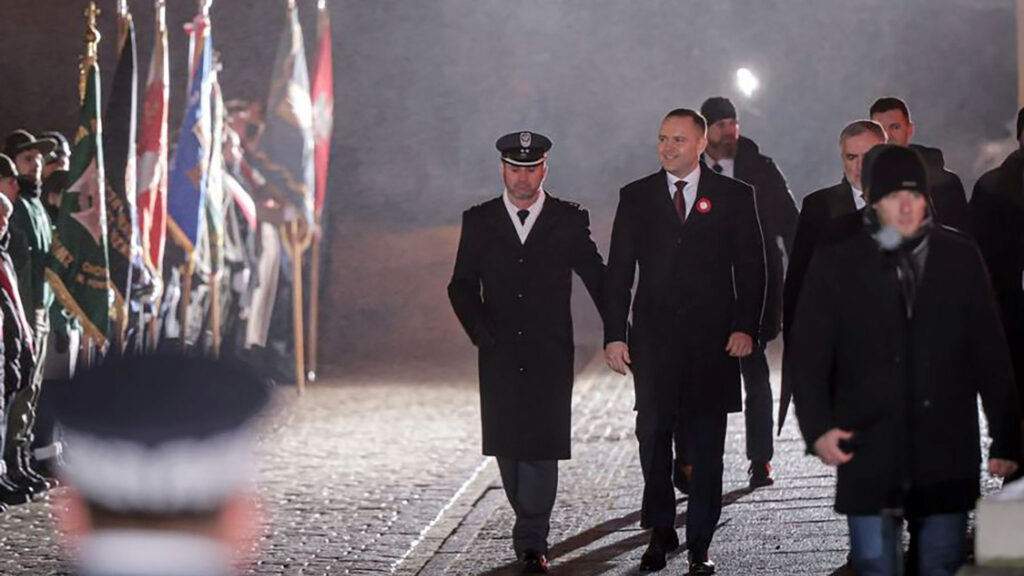
The main point of the celebration was the Holy Mass for the participants of the uprising, celebrated in the Poznań Fara church, presided over by the Metropolitan of Poznań, Archbishop Zbigniew Zieliński. The liturgy began at 3 p.m., on the day when the fights against the Prussian authorities began in 1918. The President of the Republic of Poland, Karol Nawrocki, participated in the solemn Holy Mass.
The voice of the metropolitan
In his homily, Archbishop Zbigniew Zieliński emphasized that the Greater Poland Uprising was an event of exceptional significance in the history of struggles for independence. “The Greater Poland Uprising led to the liberation of Greater Poland from German rule and was the only such large successful insurrection in the history of Poland,” said the Metropolitan of Poznań, noting that despite regaining independence on November 11, 1918, it was not a fact everywhere at that time.
4:40 PM
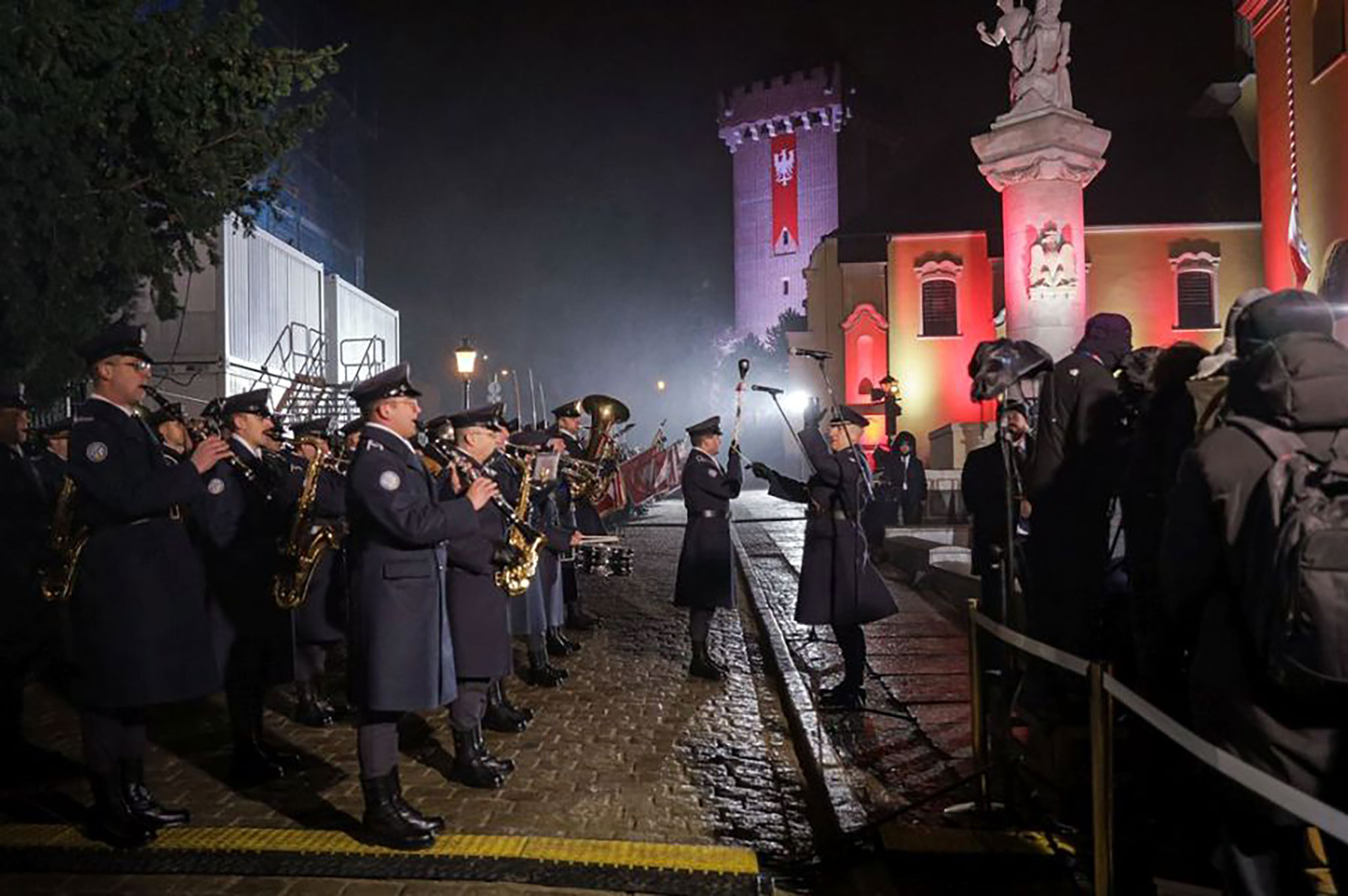
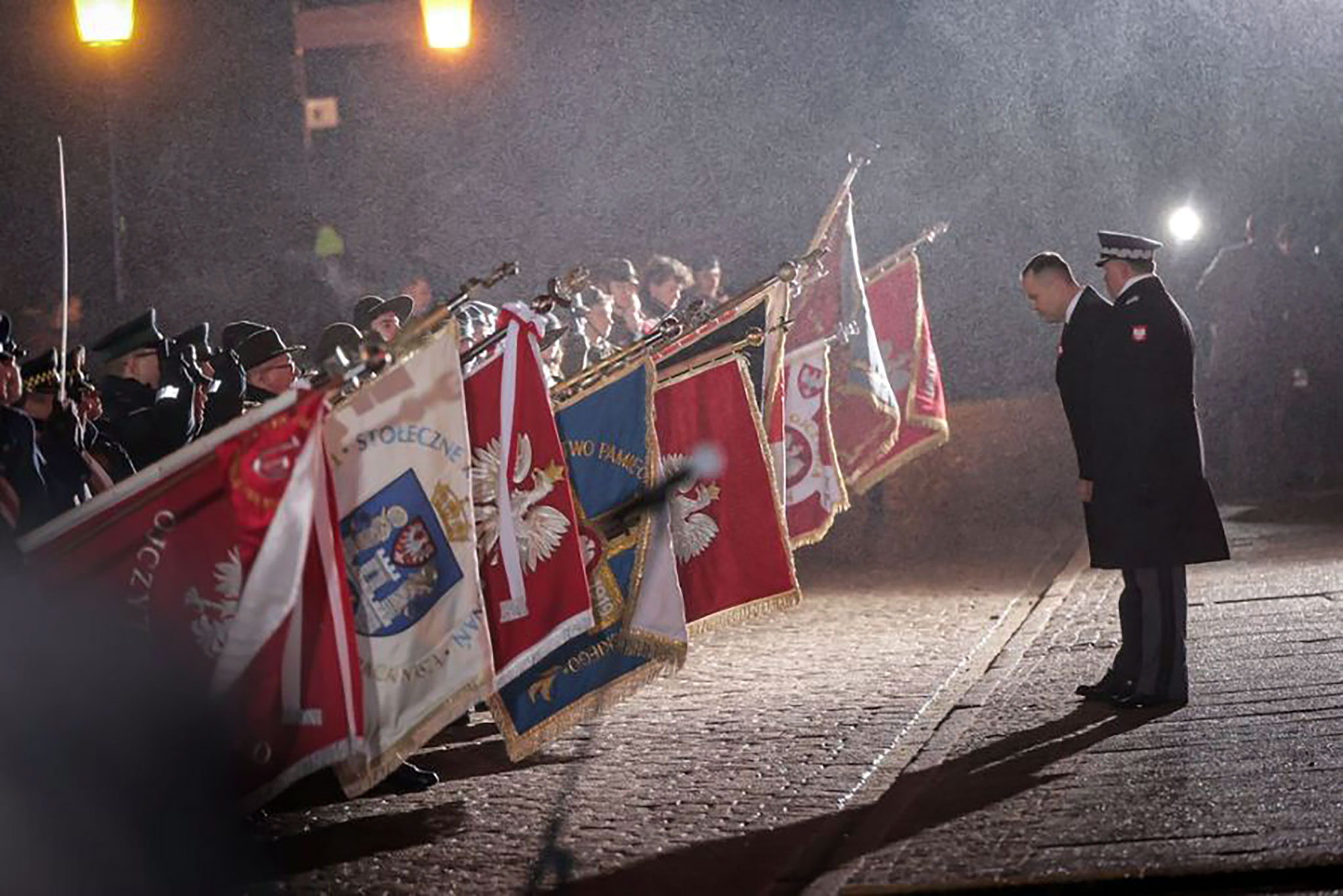
The central state ceremonies took place at 4:40 p.m. at the monument to the 15th Poznań Uhlan Regiment. At this hour, alarm sirens were activated throughout the city, and bells rang in the Poznań cathedral and archdiocesan churches. This hour symbolically refers to the moment the uprising broke out, enshrined in tradition as early as 1919 on the initiative of Cardinal Edmund Dalbor.
Greater Poland Uprising March
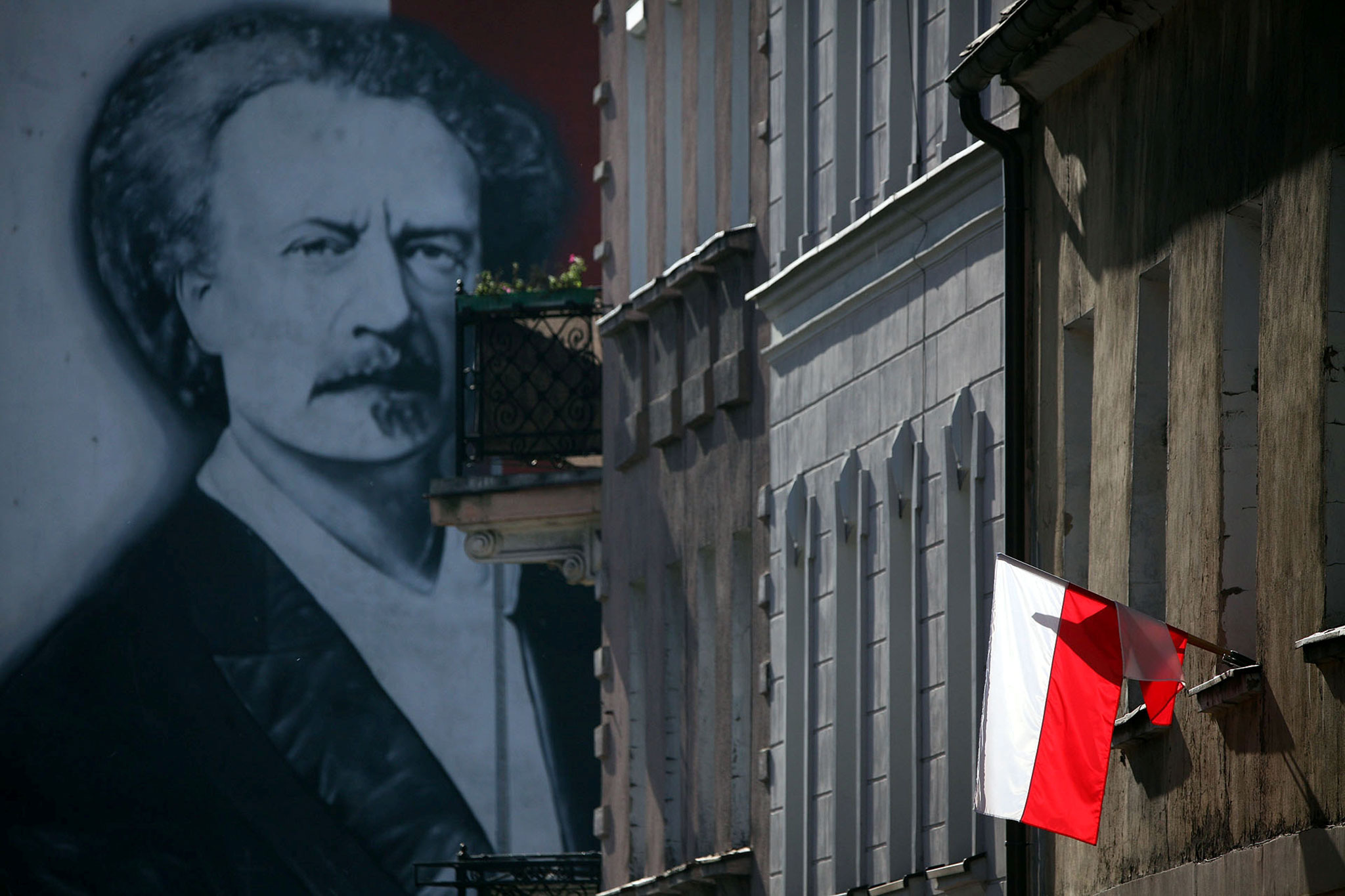
President Nawrocki also participated in the Greater Poland Uprising March, which set off in the evening from the historic Bazar Hotel, associated with Ignacy Jan Paderewski’s stay and the symbolic beginning of the uprising.
On the eve of the anniversary
The anniversary celebrations were preceded by Friday’s re-enactment of Ignacy Jan Paderewski’s arrival at the Summer Station. The reconstruction of the events of December 26, 1918, attracted crowds of residents. Historians point out that the visit of the pianist and politician became the direct impulse for the outbreak of the uprising the next day.
Historical background
The Greater Poland Uprising broke out on December 27, 1918, and in a short time led to the liberation of the region from German rule. Greater Poland was then incorporated into the reborn Republic of Poland by international decisions.
The celebrations in Poznań, organized with the participation of local authorities and veterans’ organizations, remain one of the most important events commemorating Poland’s path to independence.