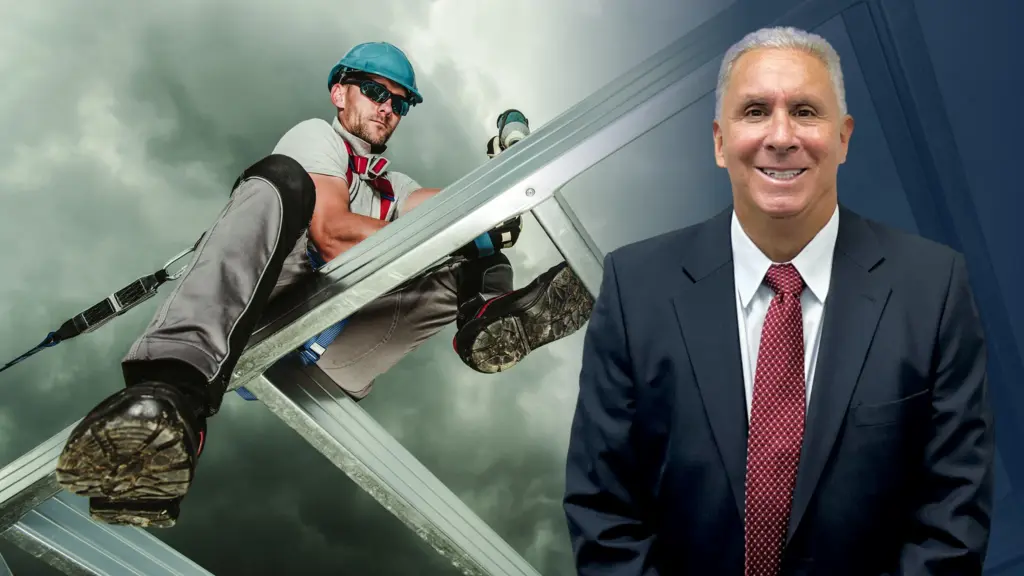
An injured construction worker in New York State typically receives Workers’ Compensation benefits regardless of who was at fault, but generally cannot sue their own employer. However, they may seek compensation from third parties—such as the building owner or general contractor—under provisions including Labor Law §240(1) and §241(6).
On Polish-American construction sites from Greenpoint to Long Island, the same phrase is often heard after an accident: “You have Workers’ Comp, there’s nothing more you can do.” Meanwhile, workers’ compensation benefits cover only a portion of losses, and New York safety regulations impose duties on building owners and contractors as well, not just the employer.
Two paths after a single accident
Workers’ Compensation is insurance that, according to the State Workers’ Compensation Board, provides cash benefits and medical care for work-related injuries. Fault is not determined in this system—the worker’s own carelessness generally does not deprive them of benefits. The law firm The Heller Law Firm, PC explains on its website that employers in New York generally must carry such insurance, and benefits cover medical expenses and lost wages, among other things. However, it notes that these do not always cover all losses.
The price of this system is the limitation of lawsuits. Pursuant to Workers’ Compensation Law §11, the employer’s liability under benefits generally replaces the worker’s other claims against them. However, this limitation does not protect third parties: the building owner, the general contractor, another company working on the site, or the equipment manufacturer. Compensation for pain and suffering and loss of future earnings can also be pursued from them.
Scaffold Law and §241(6): What the Law Says
Labor Law §240(1), commonly referred to as the Scaffold Law, applies to work involving the erection, demolition, repair, alteration, painting, cleaning, and pointing of buildings. Contractors and owners must provide scaffolding, hoists, ladders, ropes, and other devices constructed and operated to give proper protection to the worker. An exception applies to owners of one- and two-family dwellings who contract for but do not direct or control the work.
The second provision, Labor Law §241(6), requires that areas where construction, excavation, or demolition work is being performed shall be arranged and conducted to provide reasonable and adequate protection and safety. Owners and contractors must comply with specific safety rules issued under this provision. The same exception for owners of one- and two-family dwellings who do not direct the work applies here as well. Neither of these paragraphs means automatic compensation—the circumstances of the accident and whether the statutory violation contributed to the injury matter.
What this means for Polish-speaking workers
The first issue is deadlines. The employer must be notified of the accident within 30 days, and a claim on Form C-3 must be filed with the Workers’ Compensation Board within two years, according to the WCB claim filing page. A personal injury lawsuit is generally filed within three years pursuant to CPLR §214. When the defendant is a city or other public entity covered by these rules, a Notice of Claim must generally be filed within 90 days and the lawsuit commenced within one year and 90 days (General Municipal Law §50-e and §50-i). Both paths run in parallel, and the insurer that paid benefits has a lien on the amount recovered from a third party pursuant to WCL §29.
The second issue is evidence. In its guide on its website, the law firm recommends reporting the accident immediately and seeing a doctor, then documenting the scene and gathering witness contact information. When there are multiple companies on a single construction site, contractor names from the information board and photos of the malfunctioning equipment are also helpful. It is also wise to keep copies of all correspondence from the employer and insurer and to note who was directing the work on the day of the accident. These details help determine who, besides the employer, was responsible for safety on the job site.
Free consultation in Polish
The law firm The Heller Law Firm, PC, founded by Norman H. Heller, Esq., has offices in Ridgewood and Lake Success. It handles construction accident cases, including instances where a third-party claim is involved alongside workers’ compensation benefits. The scope of this practice is described on the firm’s construction accident page.
For accident cases, the initial consultation is free, and clients can speak with the firm in Polish. Phone: 516-441-5656.
This article is for informational purposes only and does not constitute legal advice; reading it does not establish an attorney-client relationship. This material is attorney advertising. Prior results do not guarantee a similar outcome.