Improvised State of Equipment
As we managed to establish, the equipment of the Polish Army during the aforementioned period evolved from an improvised state of possession remaining after World War I, to so-called “own” production, exemplified by grenades and Molotov cocktails (bottles with gasoline). In the early 1920s, the Polish Army used weaponry from several countries, namely France, Germany, and Austria-Hungary. By September 1939, successful domestic designs had been introduced, on which Polish armament was to be based, but budgetary constraints forced the fight against the German occupier with the equipment that was available at the time.
Initial Chaos
After regaining independence in 1918, Polish soldiers were armed with what was left by the partitioning powers. Often, the equipment of Polish soldiers also came from so-called “demobilization.” In the infantry, for example, French “Lebel” and “Berthier” rifles, German “Mausers” (Gewehr 98), Austrian “Mannlichers,” and Russian “Mosins” were used simultaneously. Ammunition, and above all, spare parts for so many types of weapons then in use, created enormous supply problems.
Mauser Rifle
The German Mauser wz. 98 became the basic infantry rifle. As is known, it was produced under license at the State Rifle Factory in Warsaw as wz. 1898 (and its carbine wz. 1929). The standard support for our army was the light machine gun “Browning” wz. 1928, also produced in Poland, of course.
In the Shadow of Threat
In the face of growing international tension, the Military Modernization and Development Plan program was established. Modern equipment was then introduced, an example of which was the anti-tank rifle. This was one of the greatest Polish successes in military production. As we know, it was a hand-held rifle that could penetrate the armor of all German tanks of that time.
It is impossible not to mention here
We cannot forget to mention the light tank, significantly more modern and better armored than the German ones used previously. It had an excellent 37 mm caliber gun and a mounted diesel engine. It is worth mentioning here the PZL P.11c fighter aircraft designed by engineer Zygmunt Puławski, who belonged to the world’s top designers. The “Browning” wz. 30 heavy machine guns were a modified version of the American Colt, which was water-cooled.
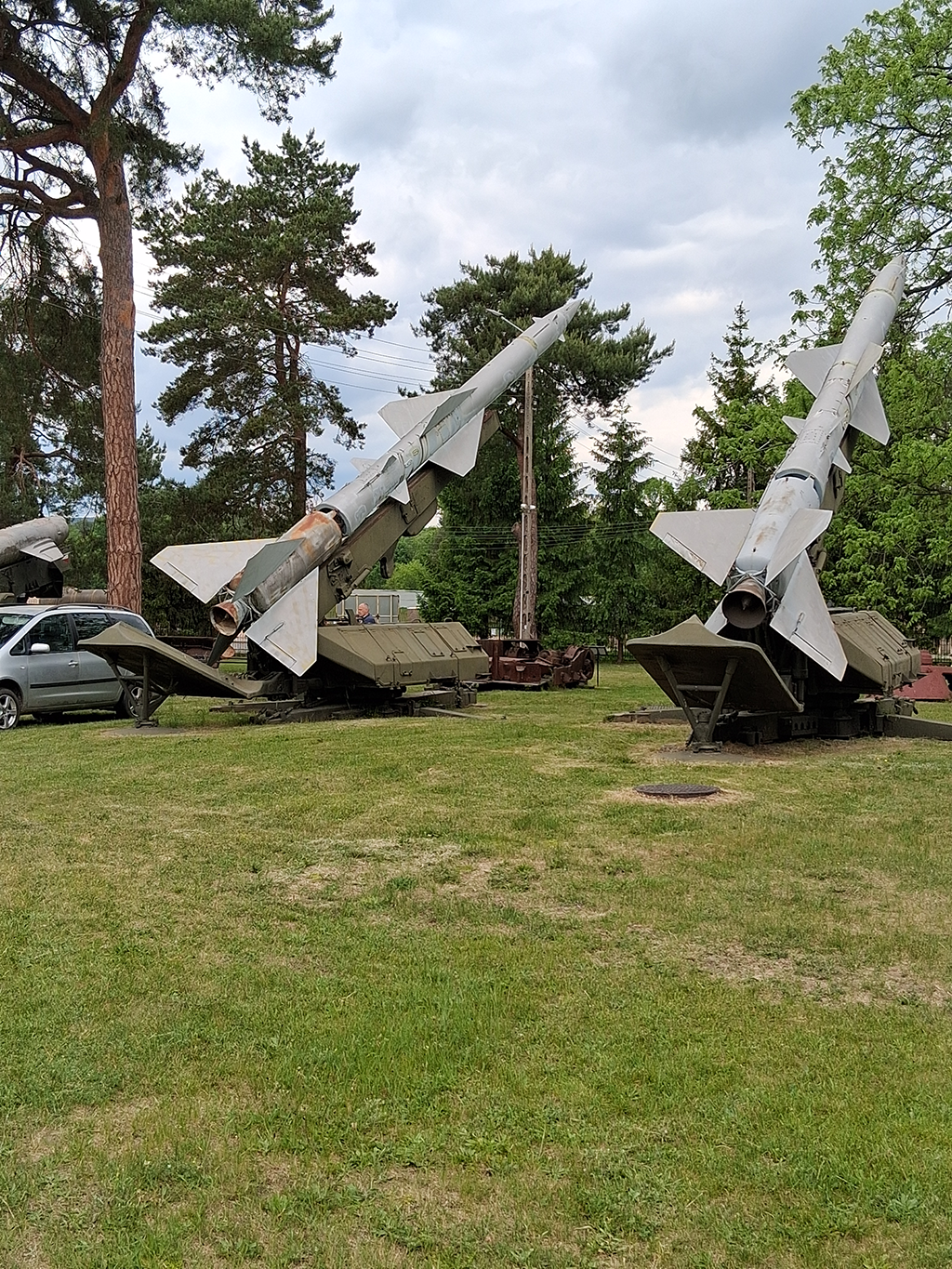
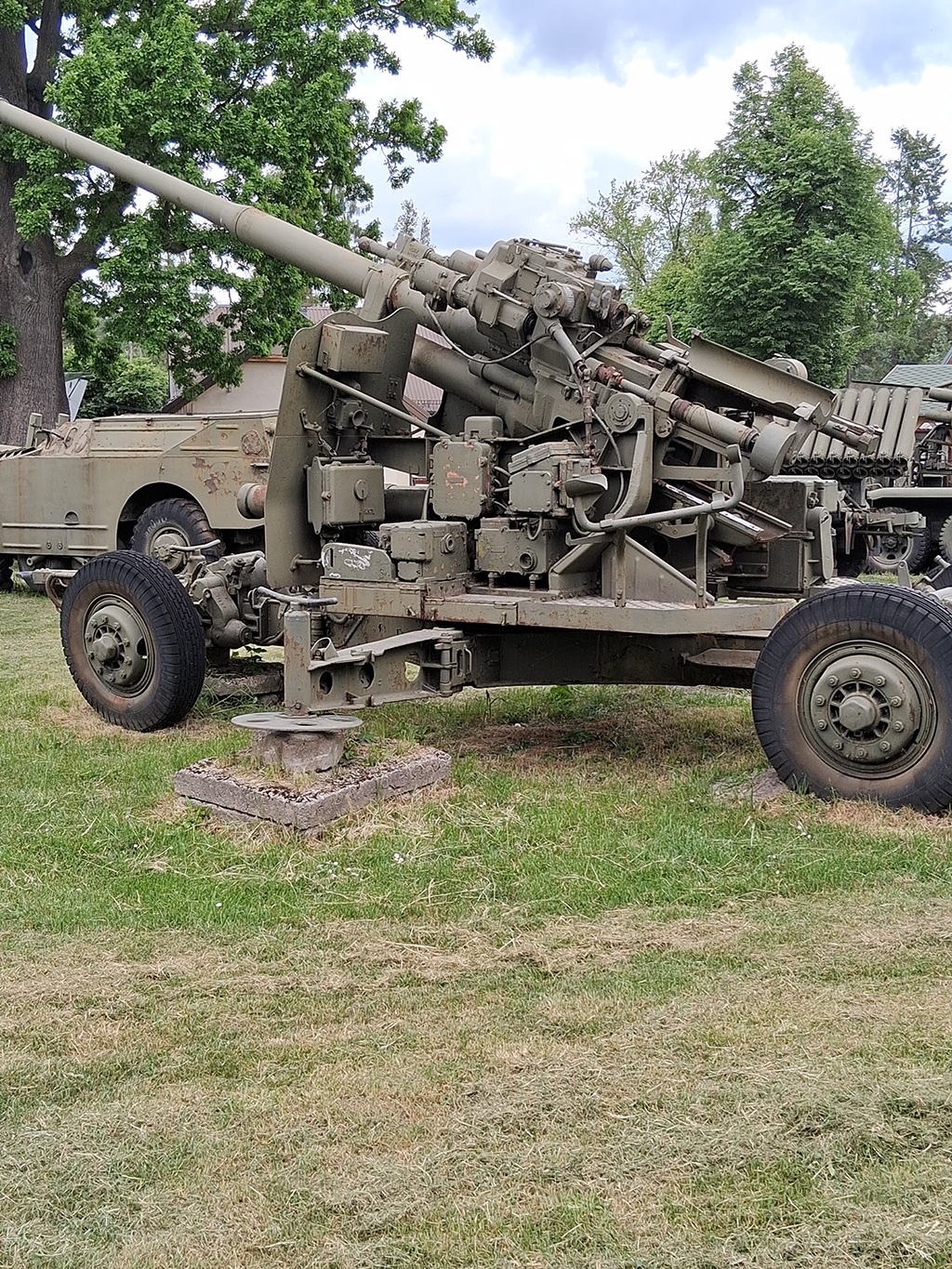
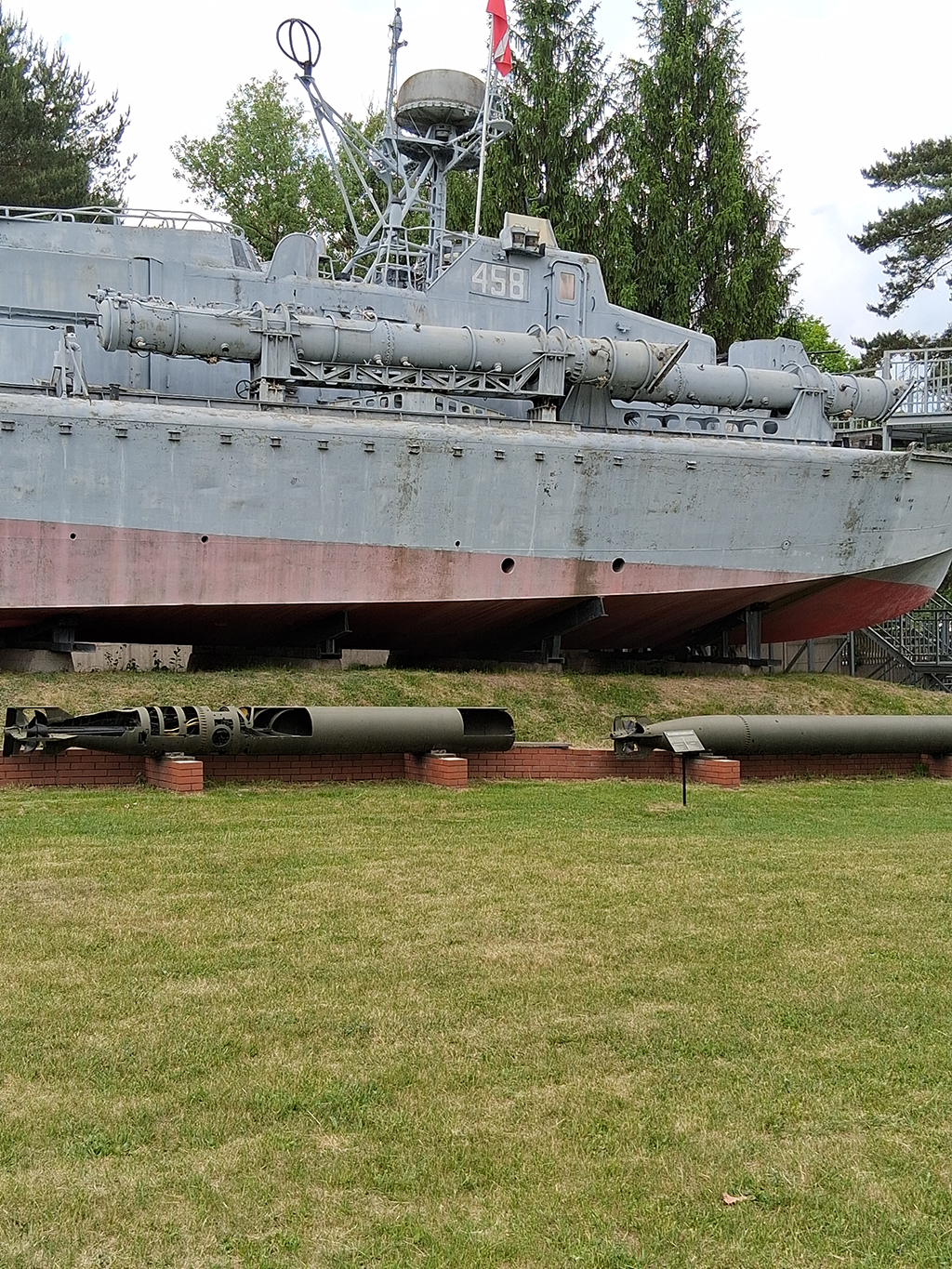
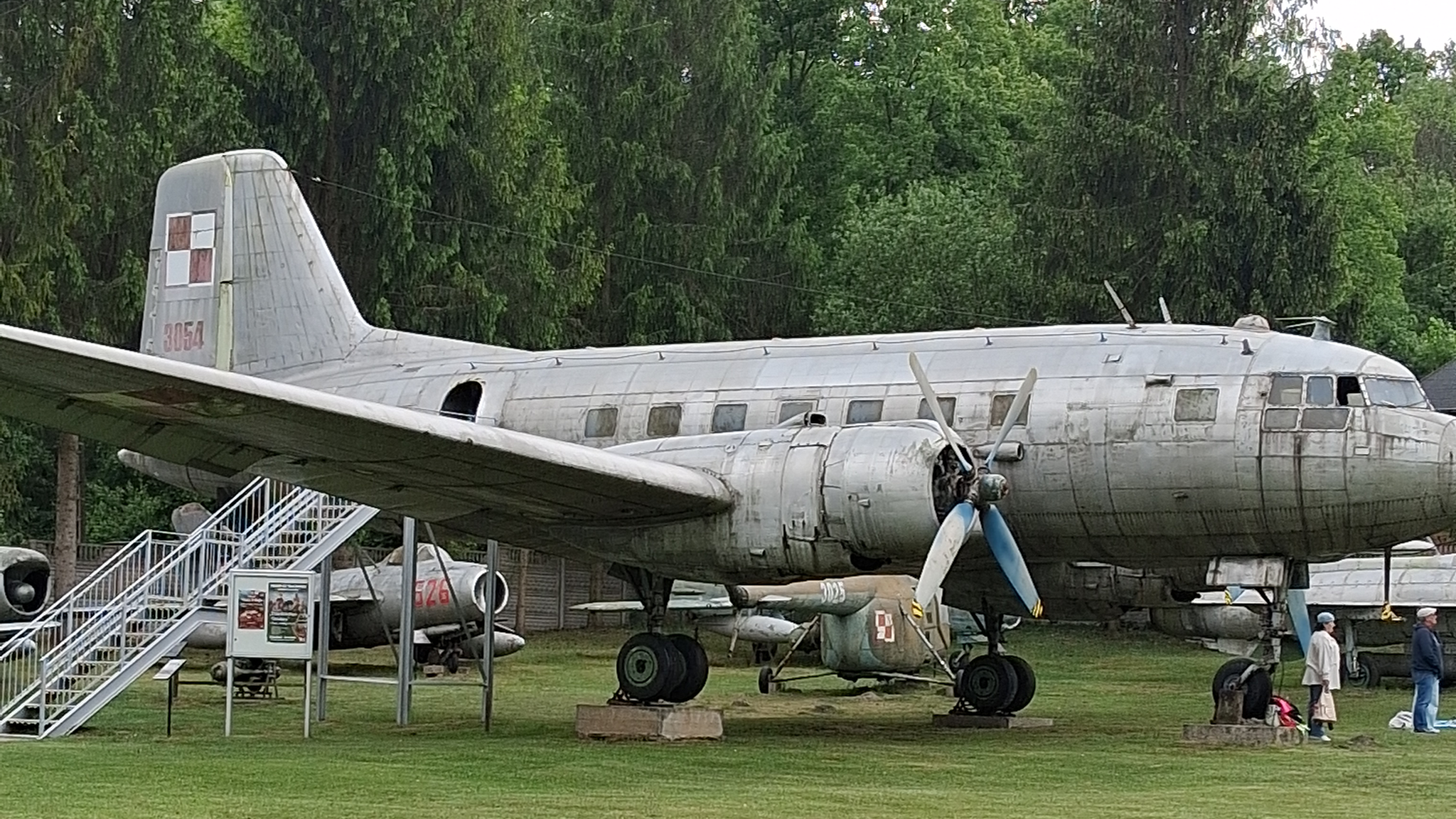
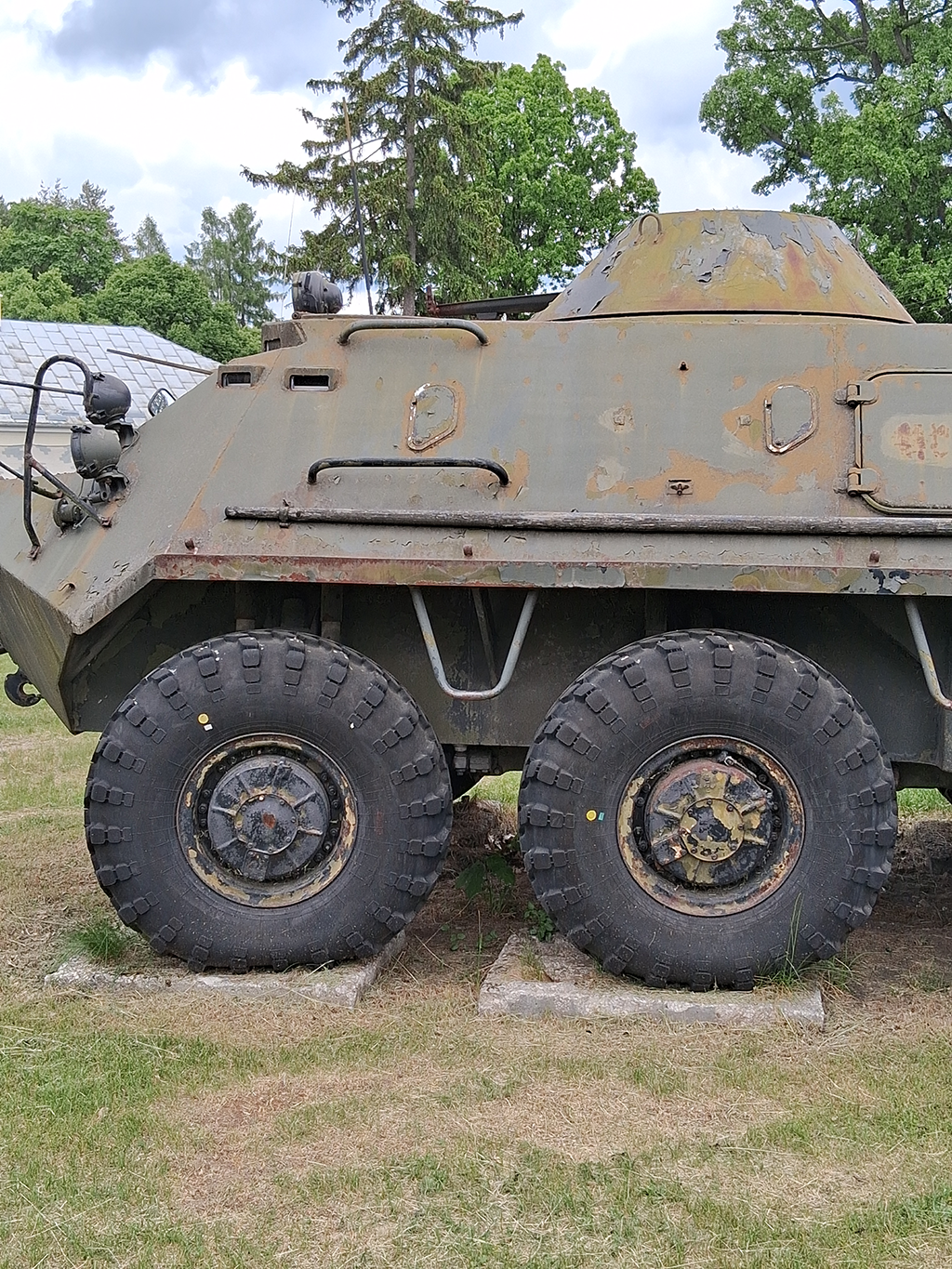
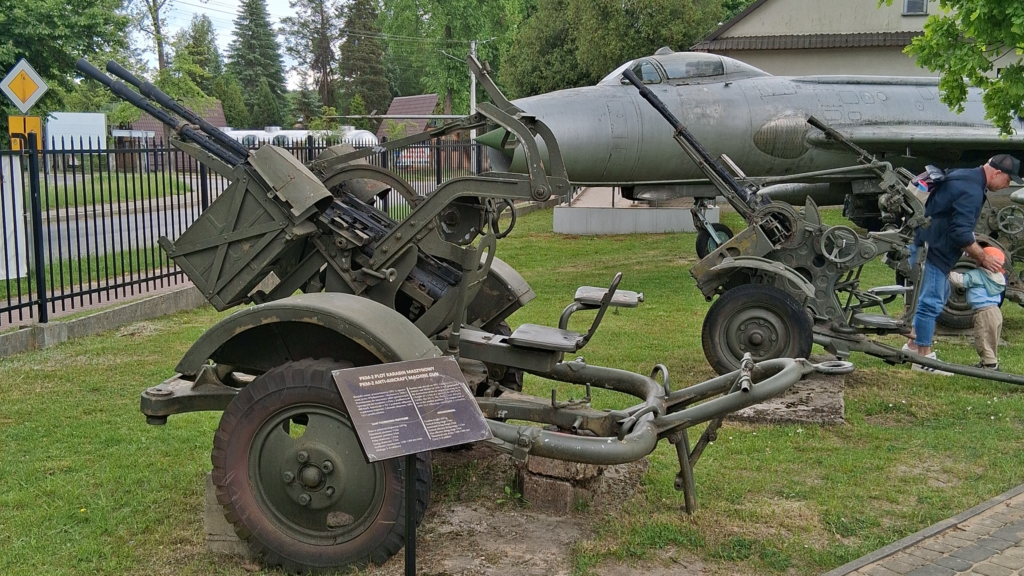
“Dziennik Polonijny” had the opportunity to see such exhibits that participated in World War II at the White Eagle Museum in Skarżysko.