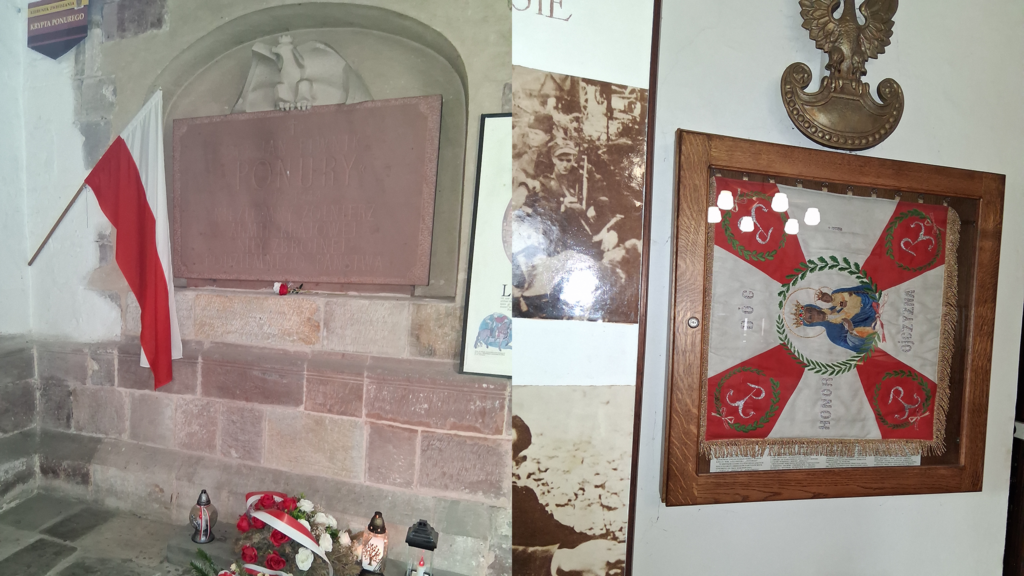
History of the museum exhibits
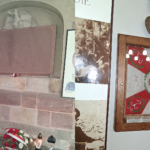
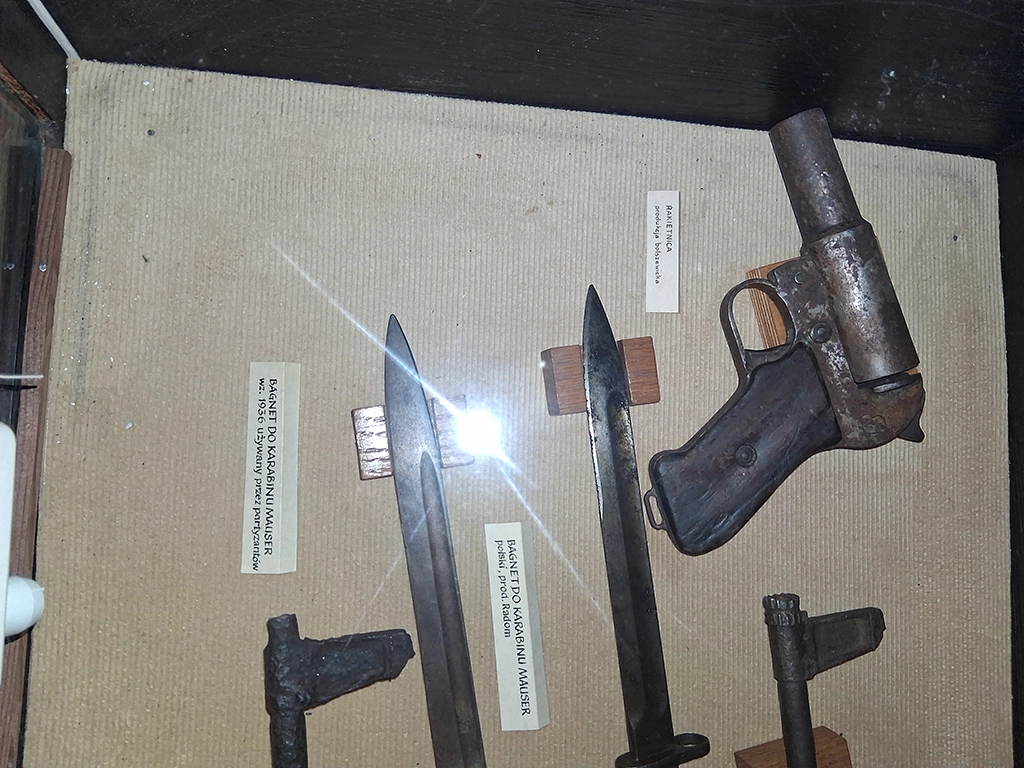
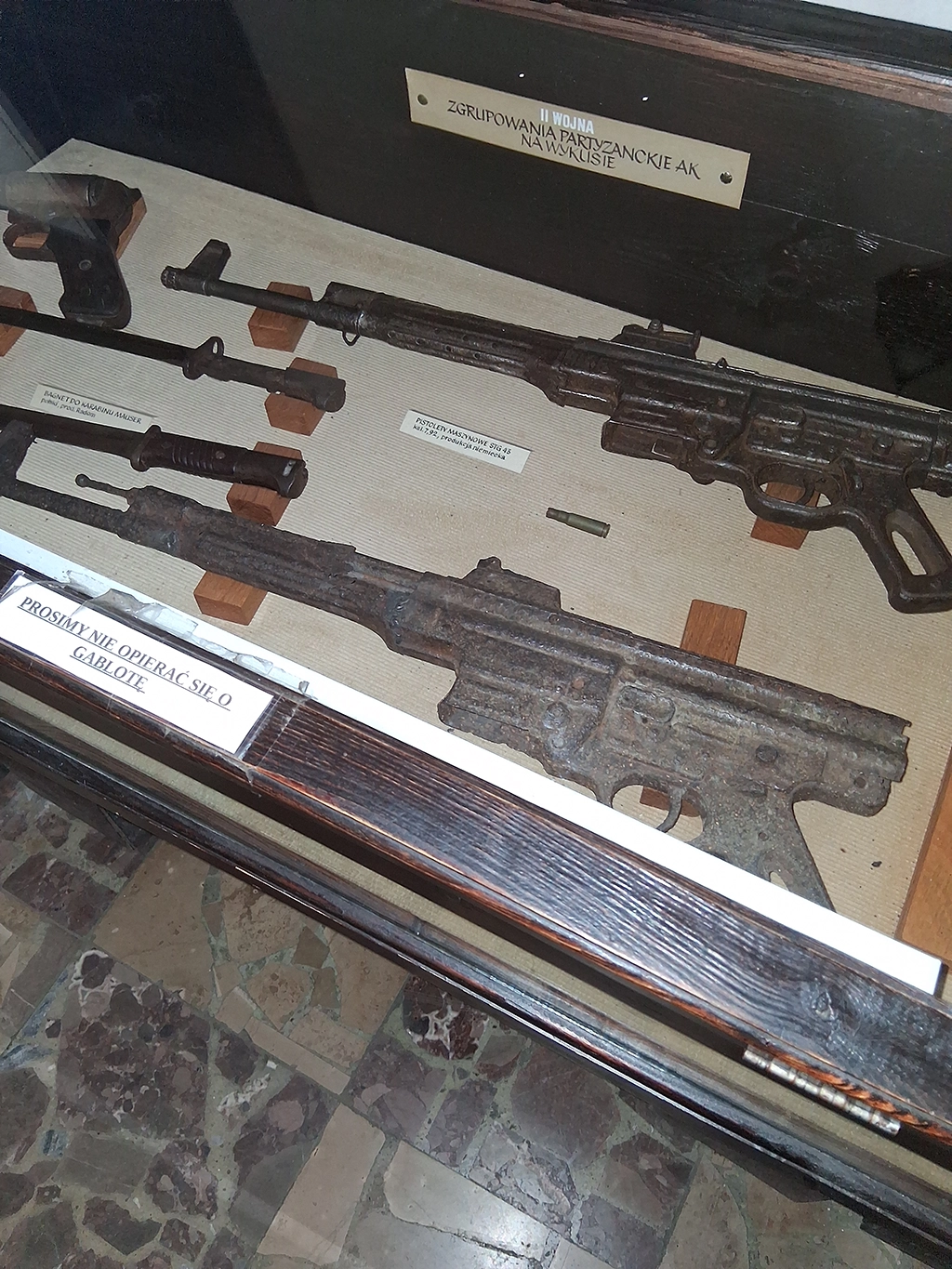
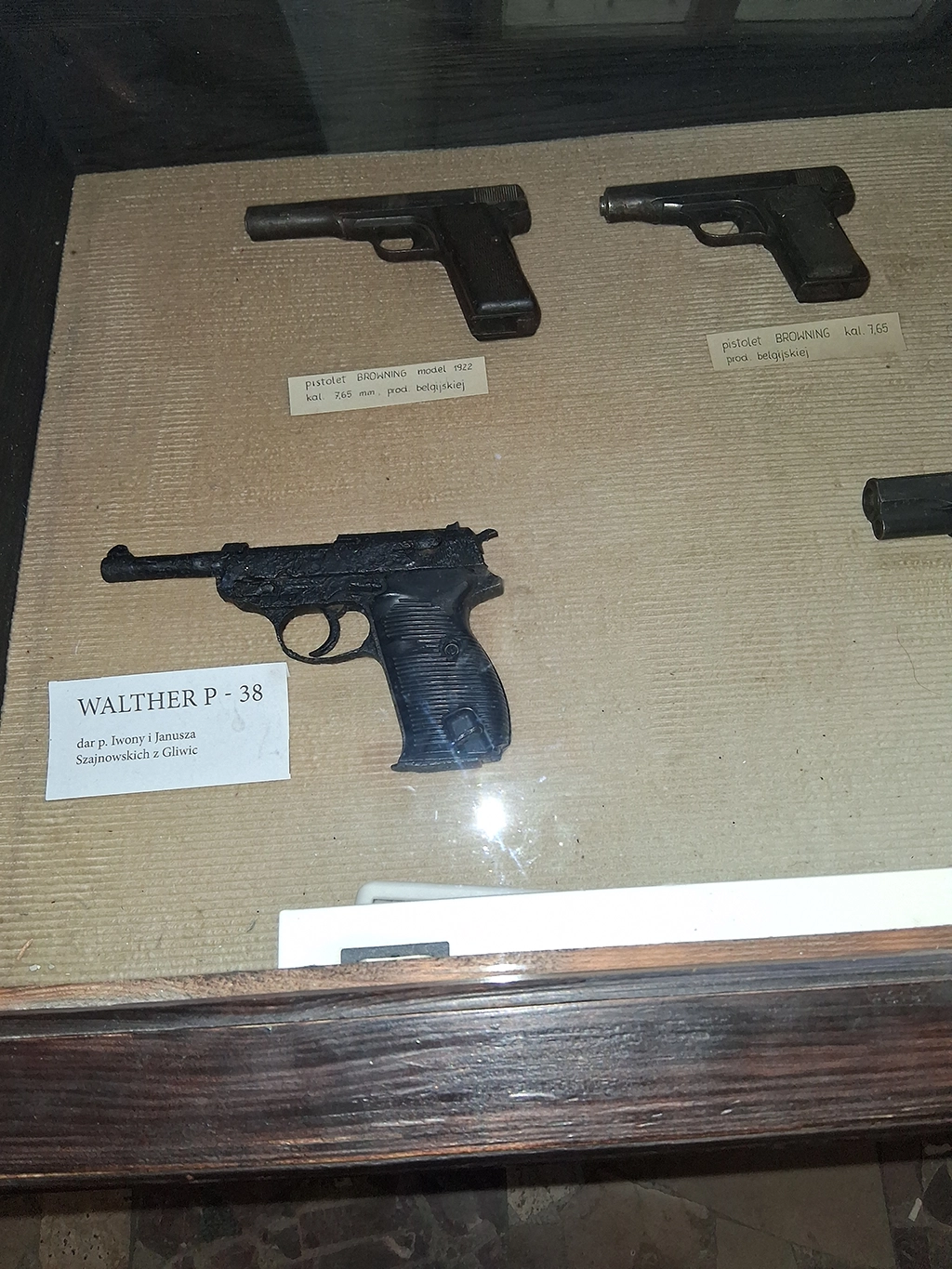
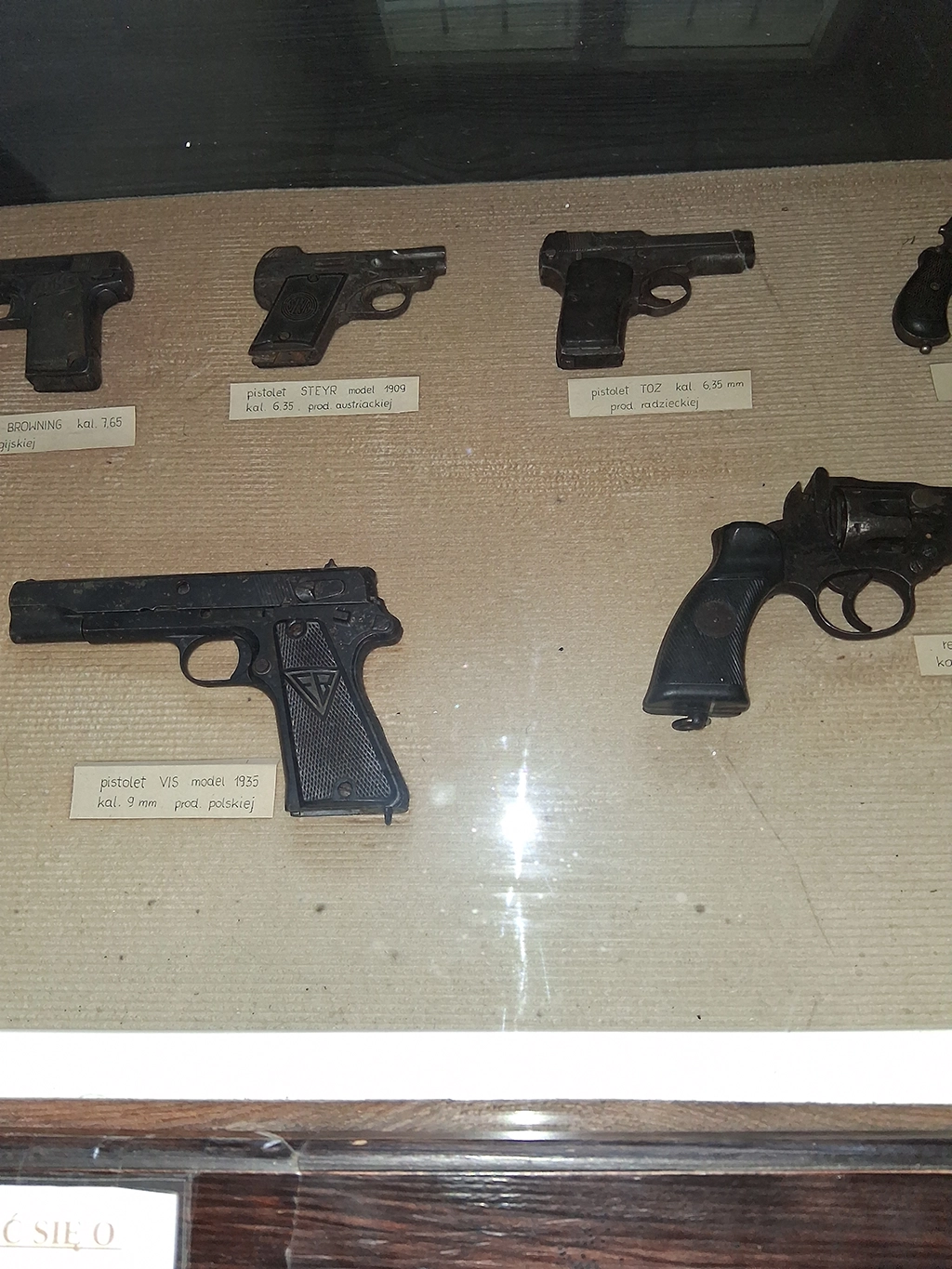
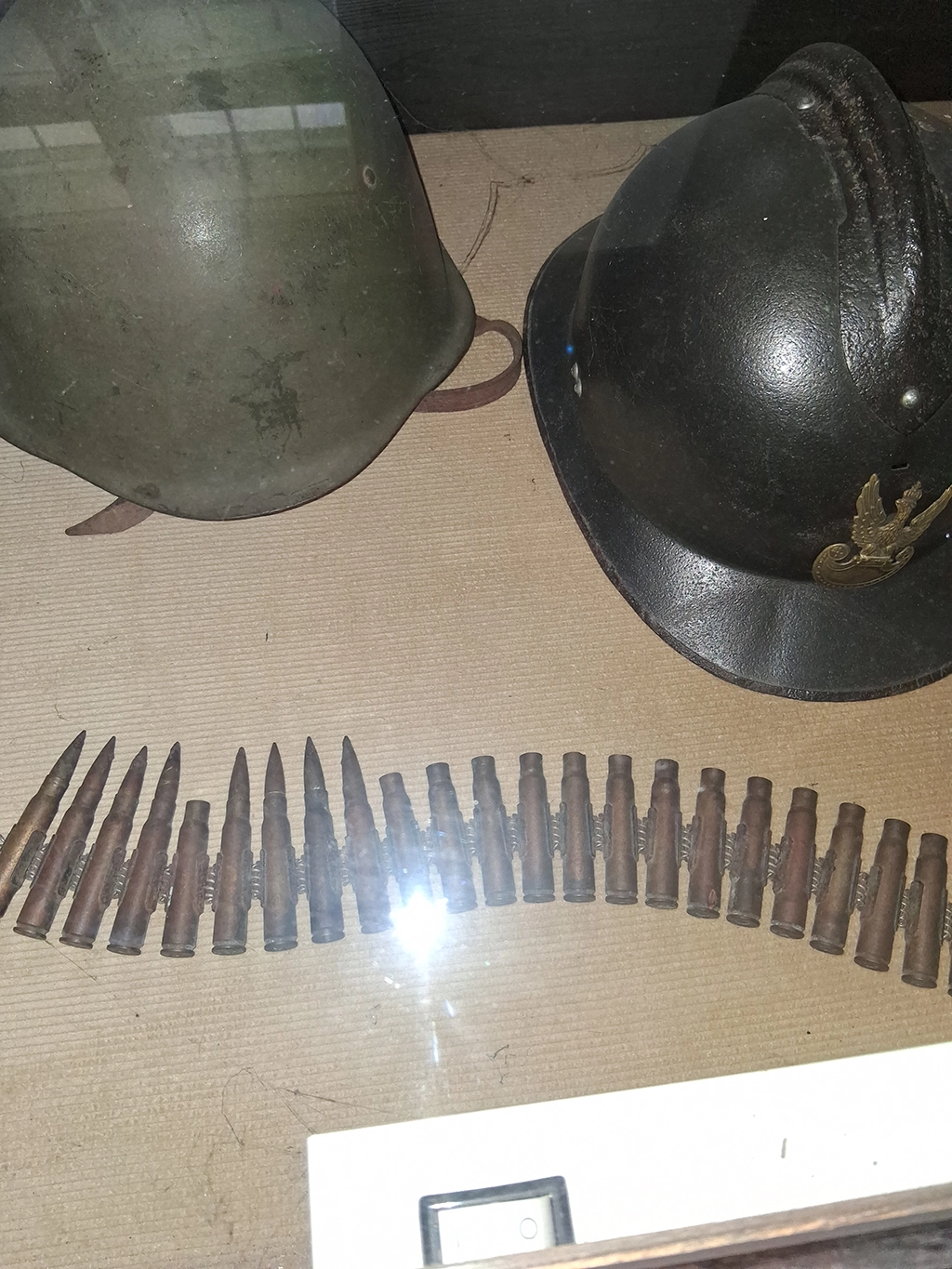
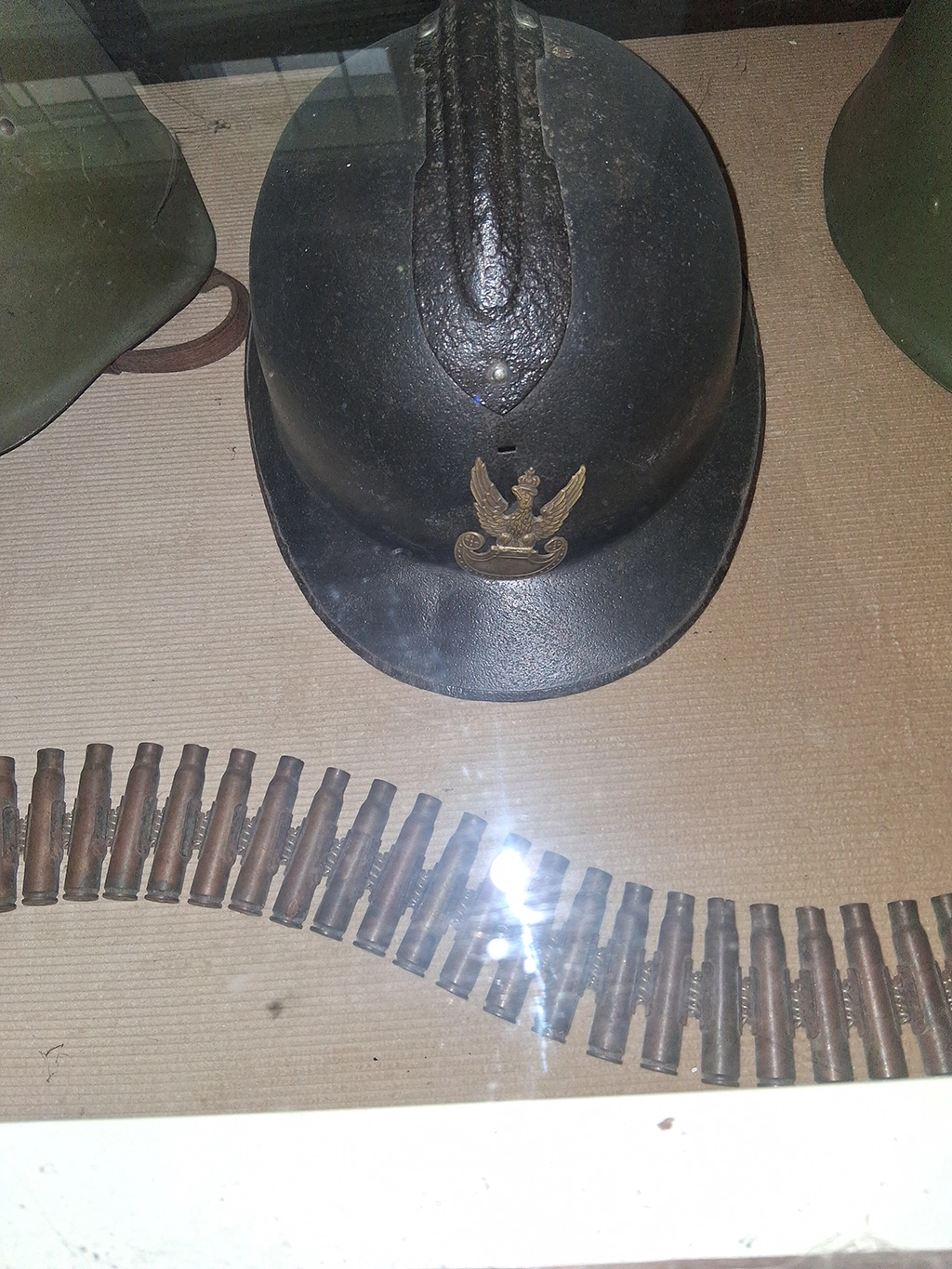
Father Jan Wiśniewski, who lived in the Iłża County, as we know, was a writer, historian, social activist, and also a museum collector. He described the history of churches, cities, and towns located in the Sandomierz and Kielce dioceses. He selflessly devoted his life to his beloved history. A special passion for collecting memorabilia from the January Uprising and World War II inspired Father Walenty Ślusarczyk, to whom Father Jan handed over his collections. Father Ślusarczyk lived in the Cistercian Abbey in Wąchock and, of course, was also an outstanding collector of war memorabilia, particularly passionate about Polish patriotic uprisings. He managed to gather an impressive collection of military equipment, documents, banners, and various other patriotic souvenirs. It is impossible not to mention Jan Piwnik, codenamed “Ponury” (The Grim), associated with the Świętokrzyskie region, whose grave and numerous mementos of his valiant unit are located precisely in the aforementioned Cistercian monastery in Wąchock.
Who was “Ponury”
Jan Piwnik came from Janowice, a village located in the Świętokrzyskie land. After graduating from the Artillery Reserve Officer Cadet School in Volodymyr-Volynskyi, he became a police officer. He commanded, among other things, the police station in Kisielin and the police training company in Golędzinów. At its head, he fought in the 1939 defensive war. Upon crossing the border with Hungary, he was interned there. He soon escaped from the camp and made his way to Great Britain. He was dropped back into Poland as a specialized paratrooper on the night of November 7–8, 1941.
“Ponury’s” famous operation
The most famous operation commanded by Ponury was the rescue on January 18, 1943, from the prison in Pinsk of three Polish Home Army soldiers, including Cichociemny (silent unseen) Alfred Paczkowski, codenamed “Wania”. The plan of this operation was taught in sabotage training, and Jan Piwnik was awarded the Silver Cross of the Virtuti Militari War Order for it.
Home Army Partisan Groupings “Ponury”
Jan Piwnik also organized units in the Świętokrzyskie Mountains called the Home Army Partisan Groupings “Ponury”, and in the summer of 1943, he took command of them.
The raid on the outpost
In February 1944, Jan Piwnik “Ponury” was assigned to the Nowogródek District of the Home Army. In June, the order came to begin Operation “Tempest”, naturally in this area. The Poles directed their first strikes at stützpunkte, i.e., fortified German border outposts. The first one was captured on June 8, 1944, of course without any losses on the Polish side: the stützpunkt in Jachnowicze. The next such action was scheduled for June 16. The target of this operation was the outpost in Bohdany. During the briefing, “Ponury” assigned specific tasks to his soldiers. The action was to begin at 4:30 PM during the German garrison’s mealtime. While preparations for the attack were underway, submachine gun shots rang out. A German soldier stumbled upon a partisan patrol and was shot. The gunshot alarmed the rest of the Germans inside the outpost. At that time, several partisans crept up to the barbed wire surrounding the outpost. During the shootout, “Ponury” was killed. Doctor Jan Kondrat, codenamed “Jontek”, ran up to the wounded Jan Piwnik, to whom “Ponury” whispered… “Tell my wife and parents that I loved them very much and that I am dying like a Pole, and greet the Świętokrzyskie Mountains for me.”
The outpost captured
After a fierce battle, the outpost was captured by the Polish military.