First mention
According to historical sources from the 19th century, the first written mention of burials in this area dates back to 1436. The first victims of the plague were buried precisely in the aforementioned cemetery in Lithuania.
Municipal necropolis
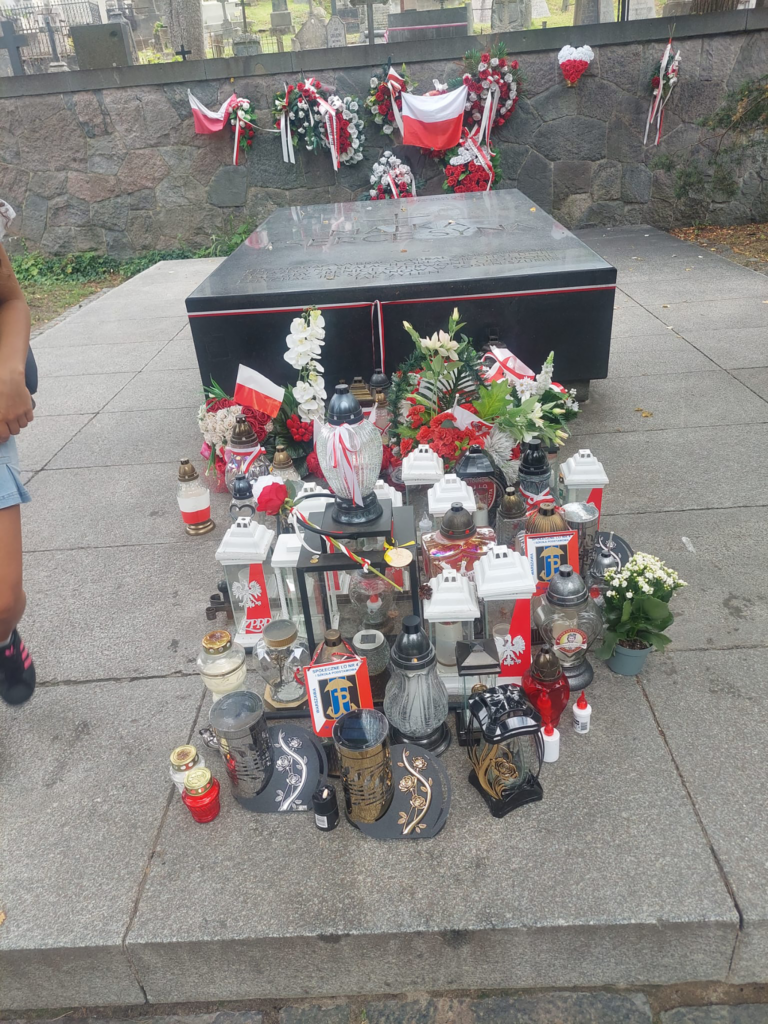
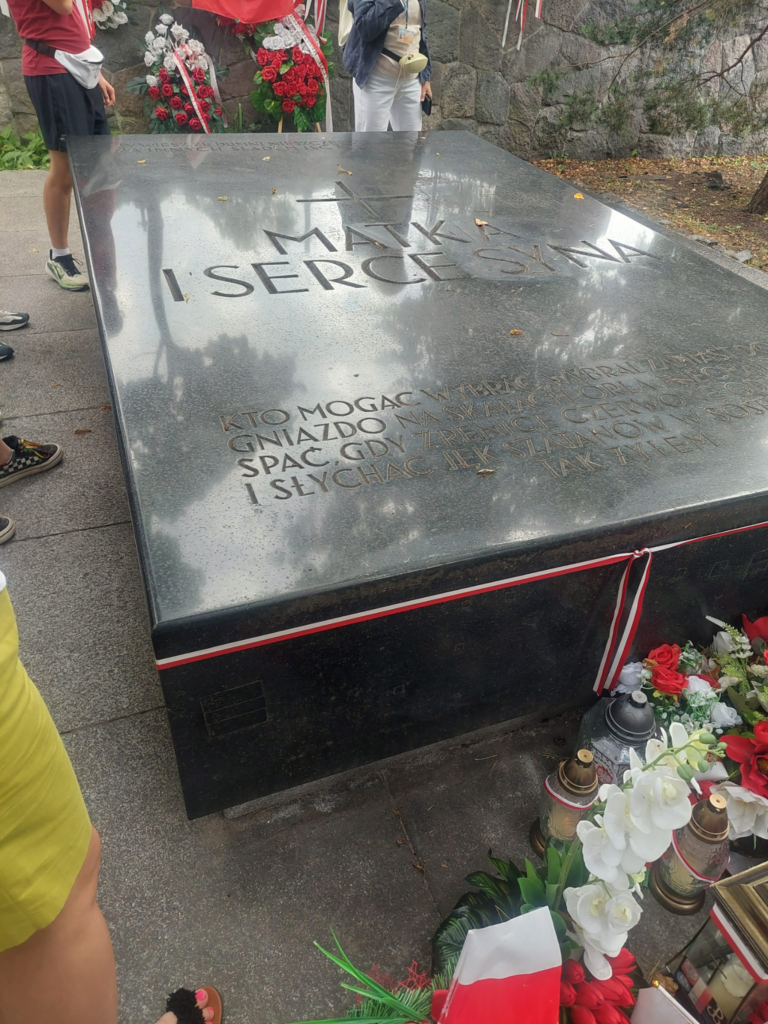
As a municipal necropolis, the Rasos Cemetery was formally established in 1801. Preserved burial metrics, in other words funeral books, indicate that the first person buried at the cemetery in 1801 was Jan Müller, the mayor of Vilnius. Immediately after this fact, the magistrate regulated legal issues related to the operation of this cemetery. In this cemetery, on the left side of its main gate, is the grave of Maria Billewicz Piłsudska, the mother of Marshal Józef Piłsudski. After the death of her great son, his heart was placed in Mrs. Maria’s grave. This tombstone is topped with a slab made of good-quality granite quarried in the Polish Volhynian village located in the Eastern Borderlands named Bronisławka. The tombstone slab was processed and polished by Bolesław Sypniewski in his stone masonry workshop in Warsaw. It was also there that the famous inscription on the slab was carved: “Mother and the Son’s Heart”.
Polish soldiers’ section
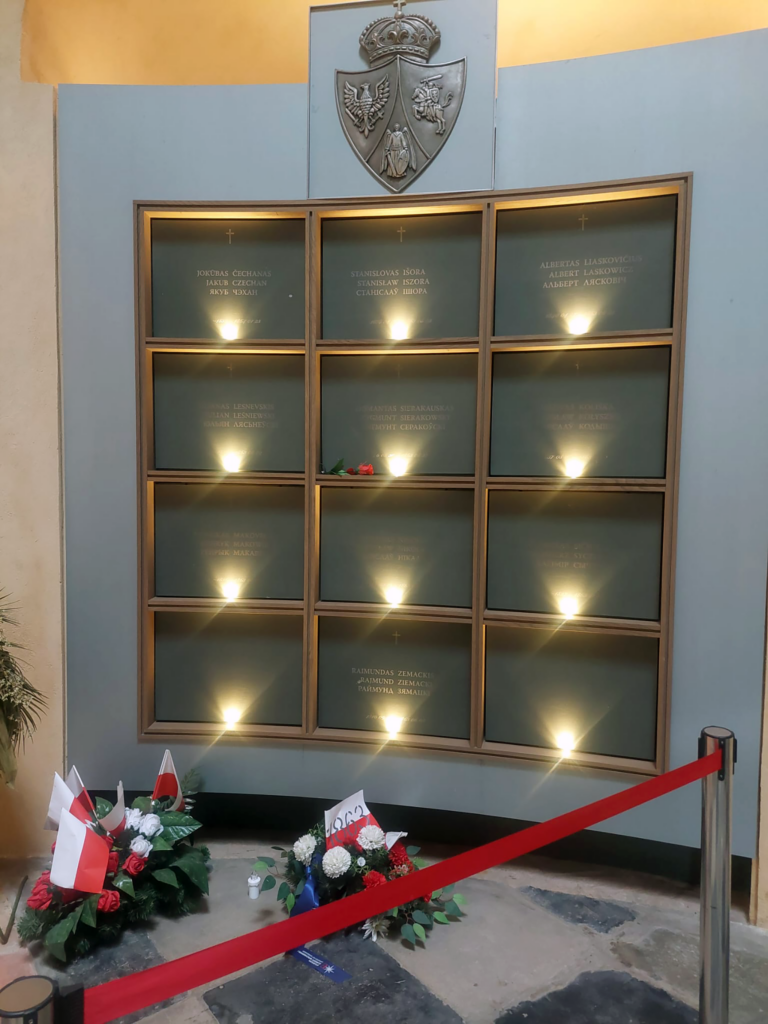
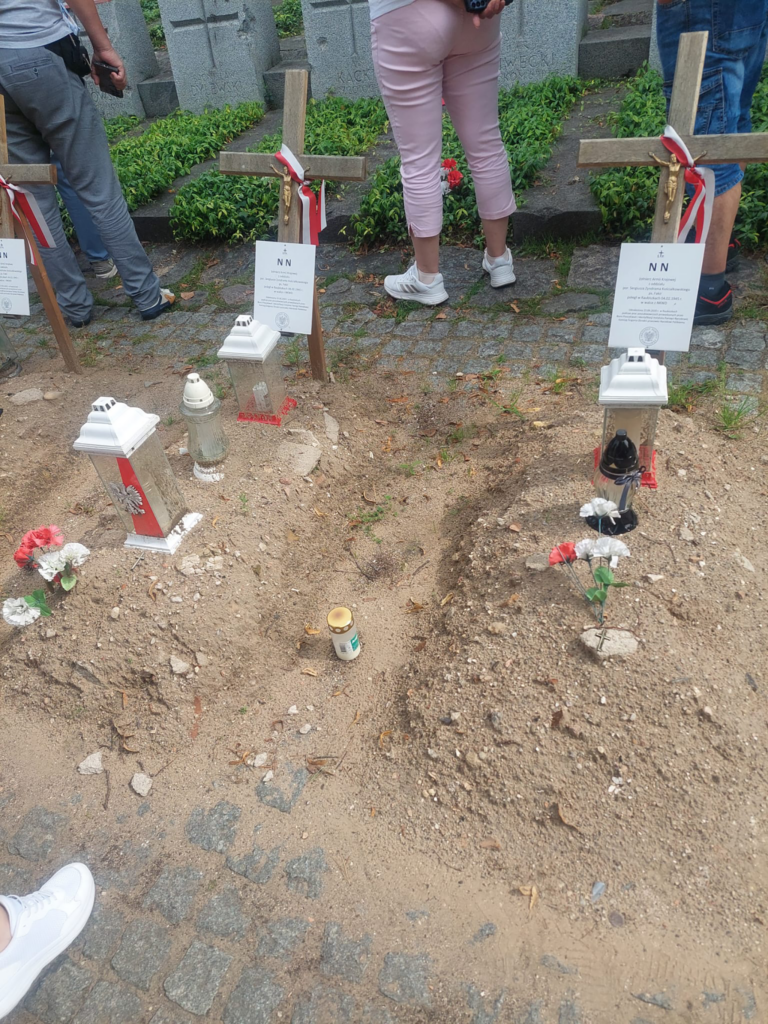
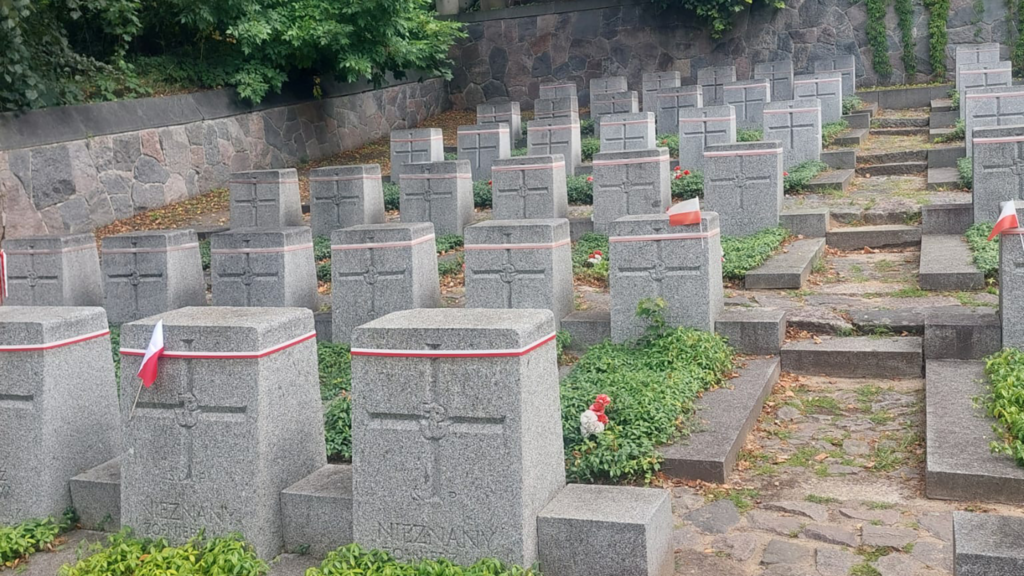
Near the entrance gate there is a military section where Polish officers and volunteer soldiers who fell in 1919–1920 in the heavy battles for Vilnius rest. Here are also the graves of Home Army soldiers who died in the military operation codenamed “Ostra Brama” (Operation Gate of Dawn). This operation aimed to liberate the city from German hands in 1944.
The editorial team of “Dziennik Polonijny” laid white and red flowers at the grave of the Piłsudski family.