Early 1915
In the first months of 1915, within the ranks of the troops of the Russian Empire, the Puławy Legion was established on the initiative of. As we know, it consisted of Polish volunteers. In February 1915, this legion was officially renamed the 739th Novoe Alexandria Druzhina of the State Militia.
Time passed
On March 20, 1915, this legion was sent to the front, thereby reinforcing the ranks of the Moscow Grenadier Corps. After the start of the offensive carried out by the Central Powers, the retreat of the Russian troops took place. Therefore, the Puławy Legion found itself roughly 3 kilometers from Iłża. Along the Pakosław swamps stretched the forward line of Russian defense. The Russians therefore began to attack the Germans approaching the outskirts of Iłża, so this legion was twice thrown into combat operations, despite its initially poor training.
Poles are always capable of great things
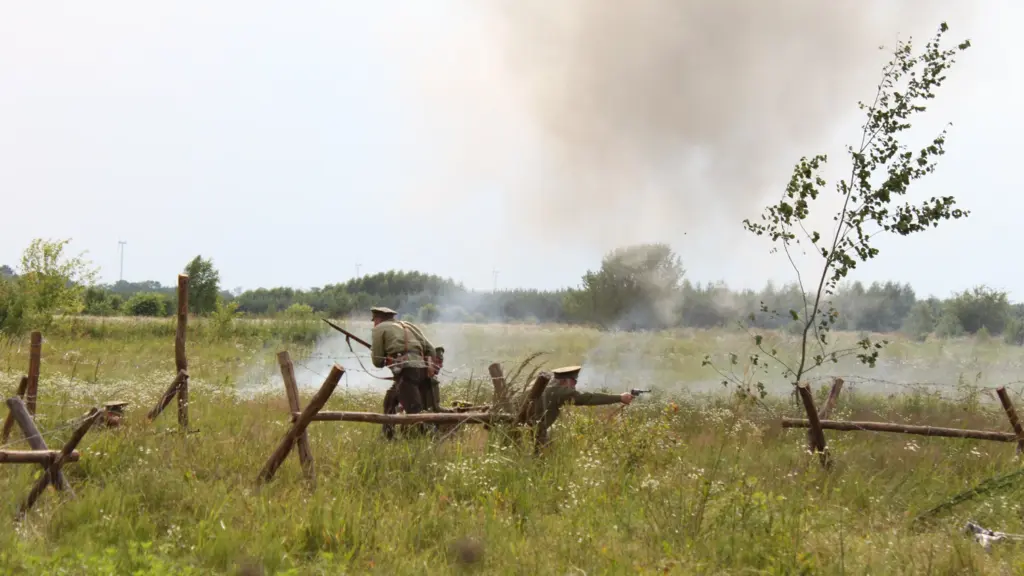
Since no one else wanted to do it, the Puławy Legion received an order to immediately march through the “Pakosław swamps” towards the German positions occupied in the area. The soldiers were forced to leave their personal belongings, such as haversacks, mess kits, etc., at the positions they had held until then. They also received a strict ban on smoking makhorka so as not to betray their positions. The terrain through which the aforementioned legion crossed was, of course, swampy and at the same time very difficult and dangerous. But the Poles crossed it brilliantly. Coming within several dozen paces of the German trenches, the Polish legionnaires launched an assault.
Forced retreat
Seeing the hopelessness of further combat, the commander of the Puławy Legion issued an order for an immediate retreat. Following the experience of the battles near Pakosław, this legion became a well-trained frontline sub-unit.
Paralysis on the battlefield
After the battles near Pakosław, the front of positional warfare with the Germans came to a standstill for almost a month. However, over time, the front near Iłża was breached.
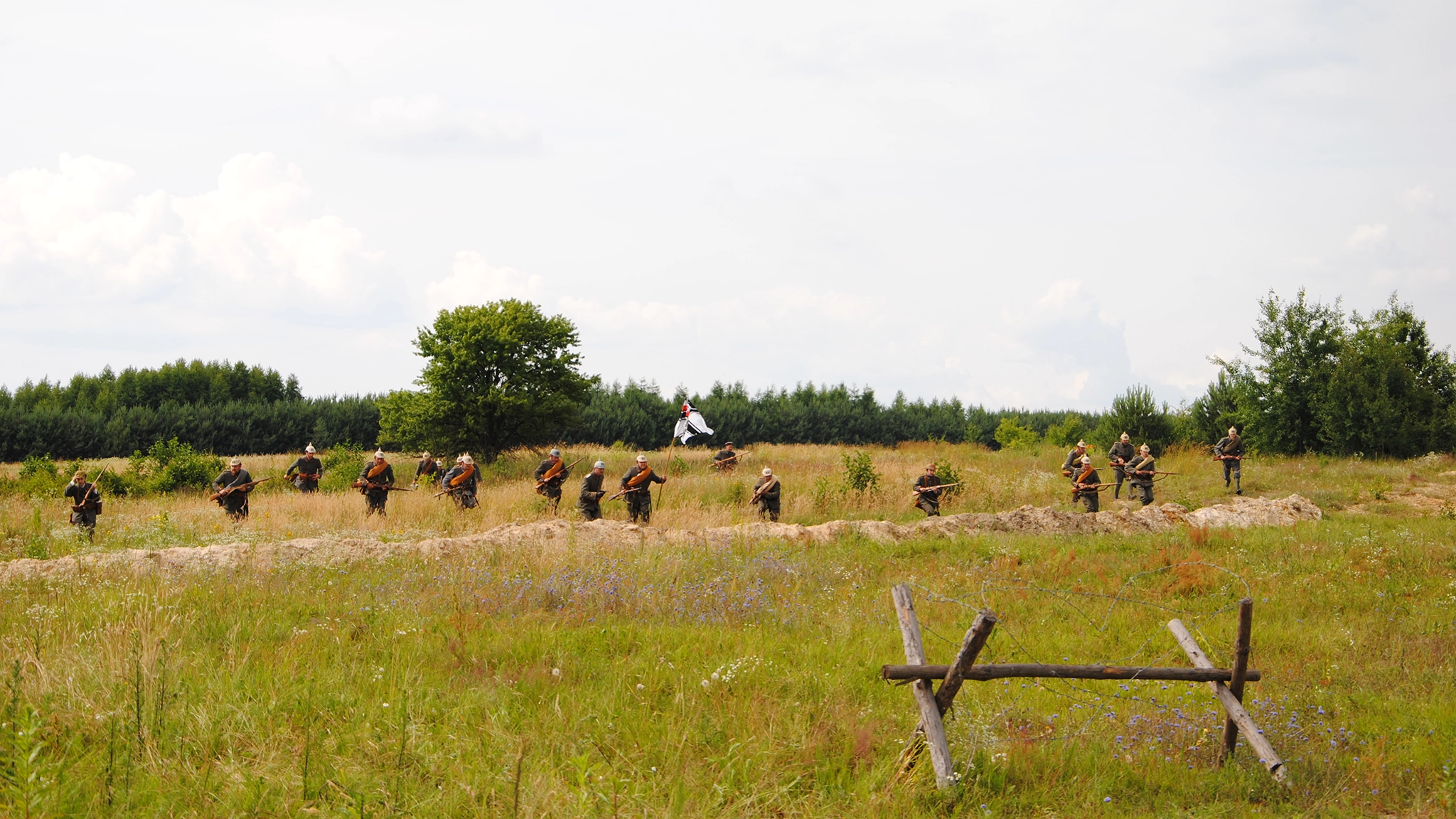
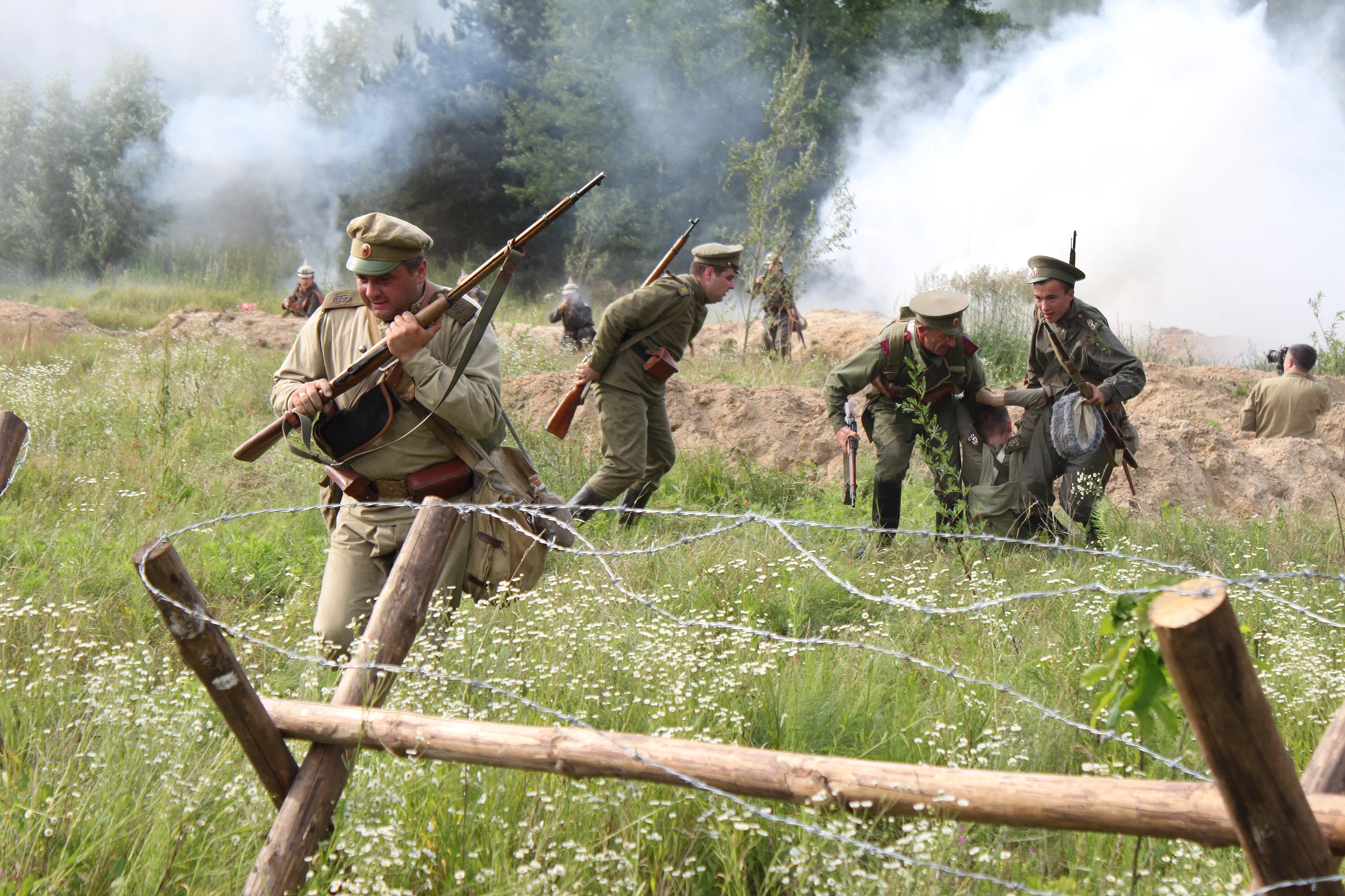
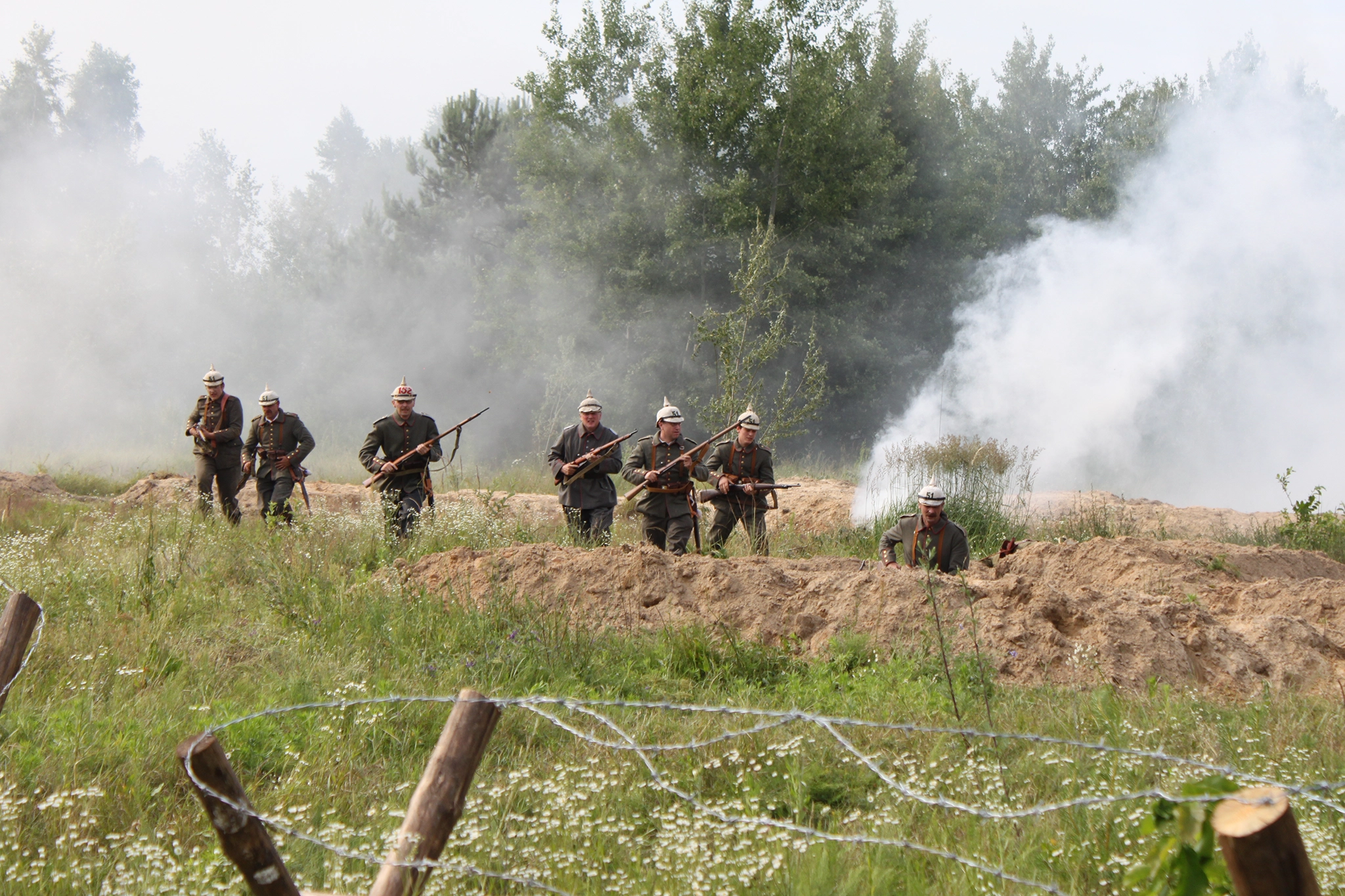
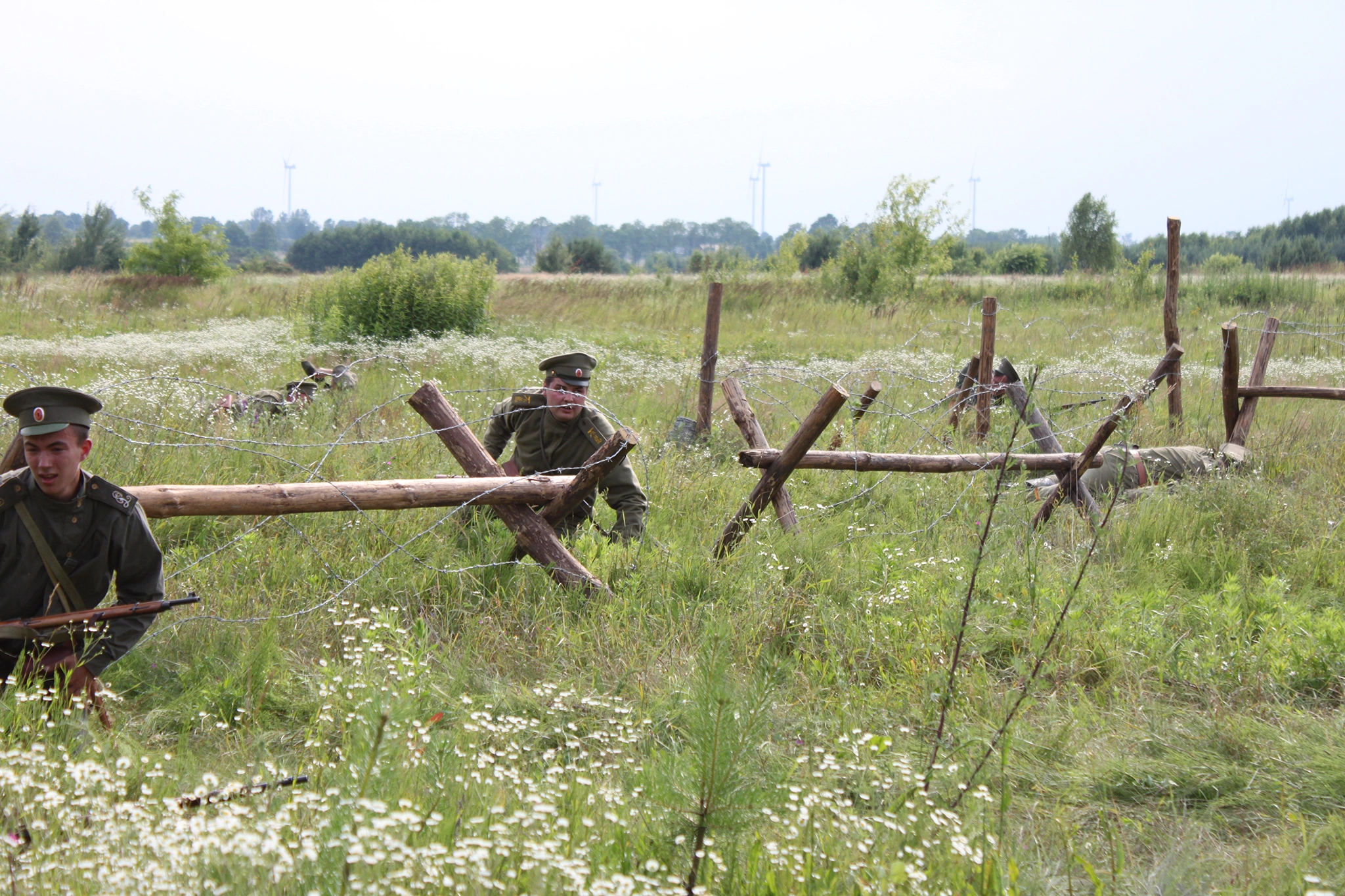
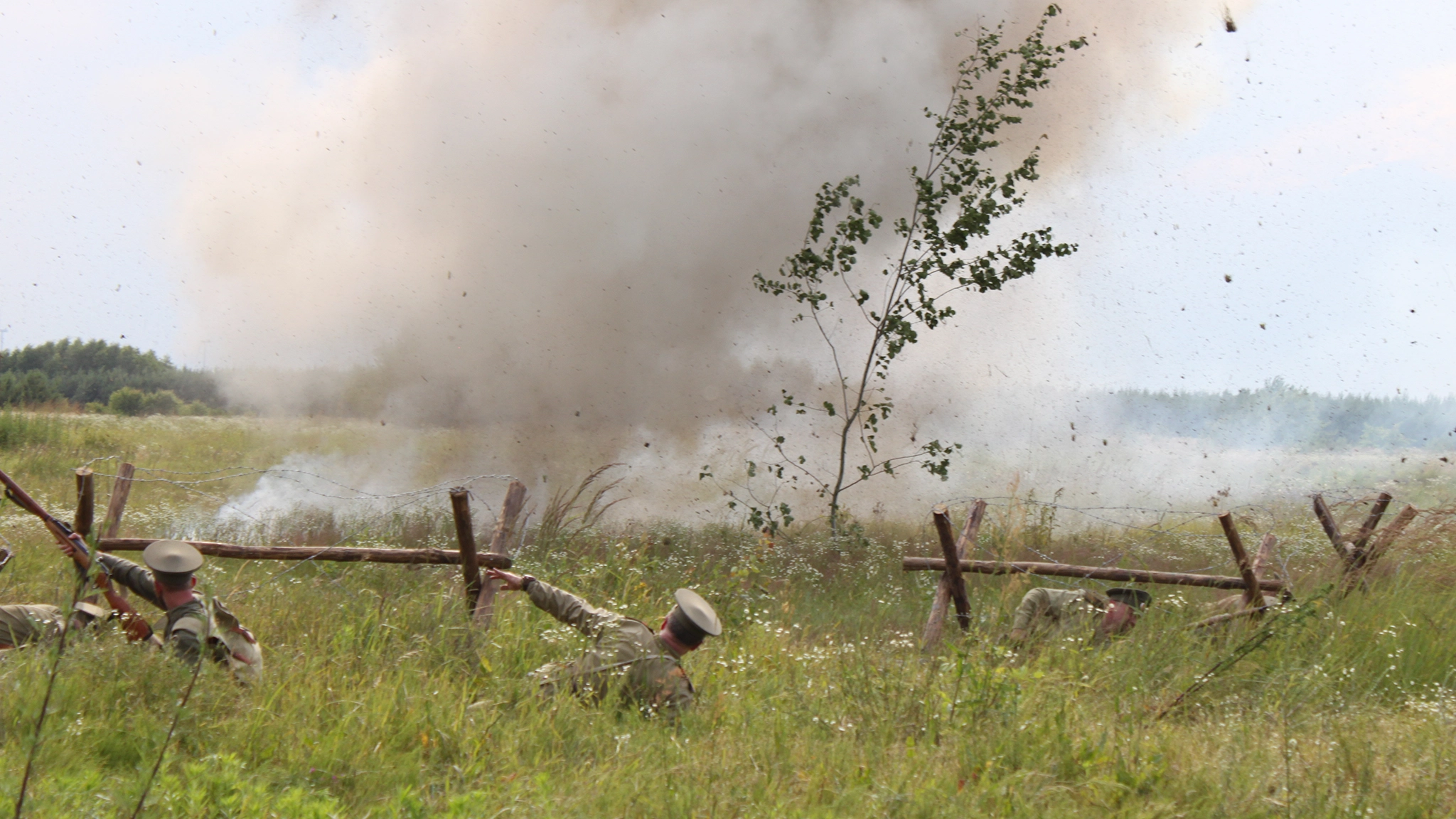
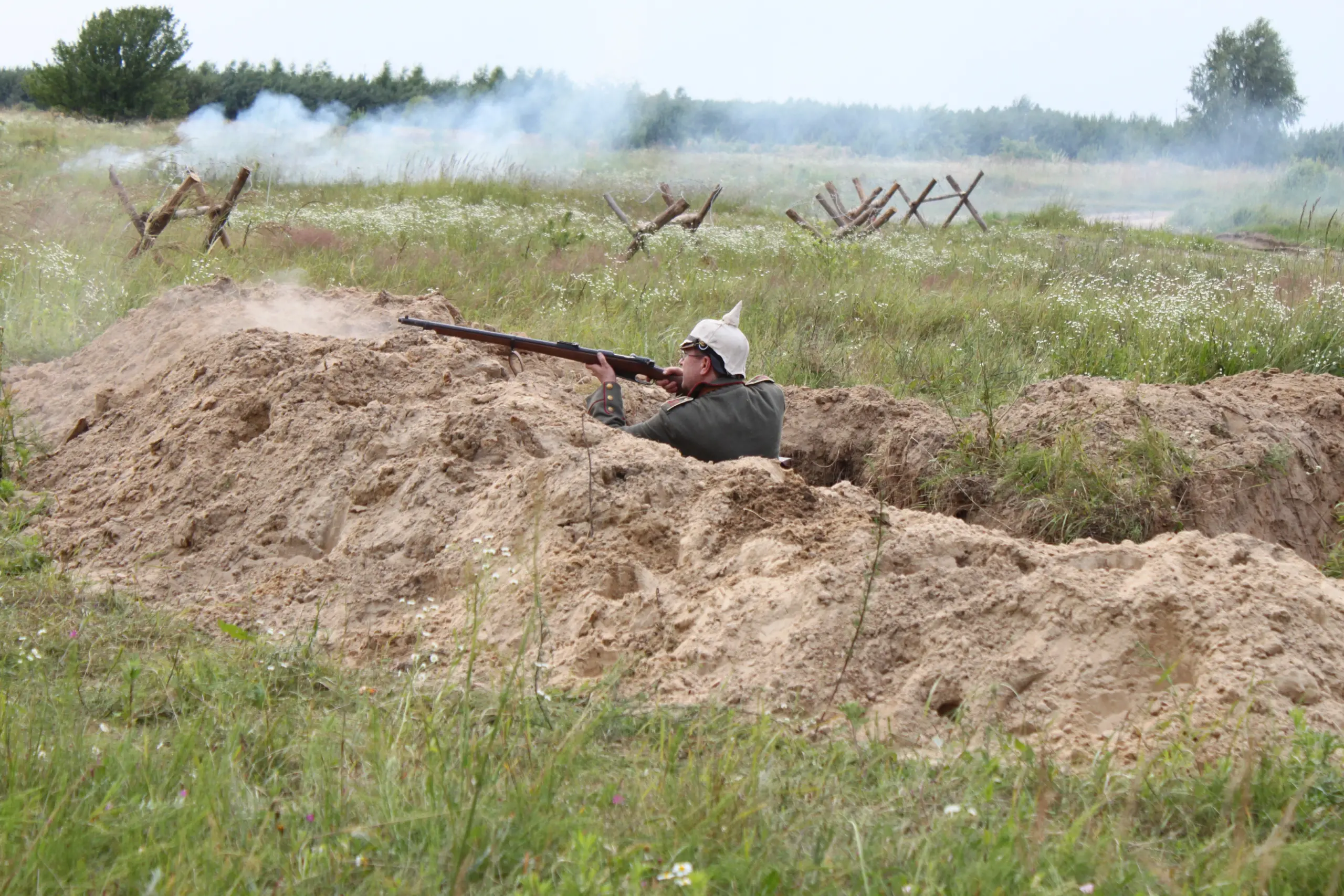
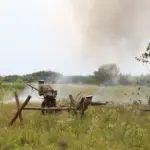
A reconstruction of this battle was performed by the 51st Kresy Rifle Infantry Regiment Historical Reconstruction Association.