Vatican News / Dorota Abdelmoula-Viet – Vatican
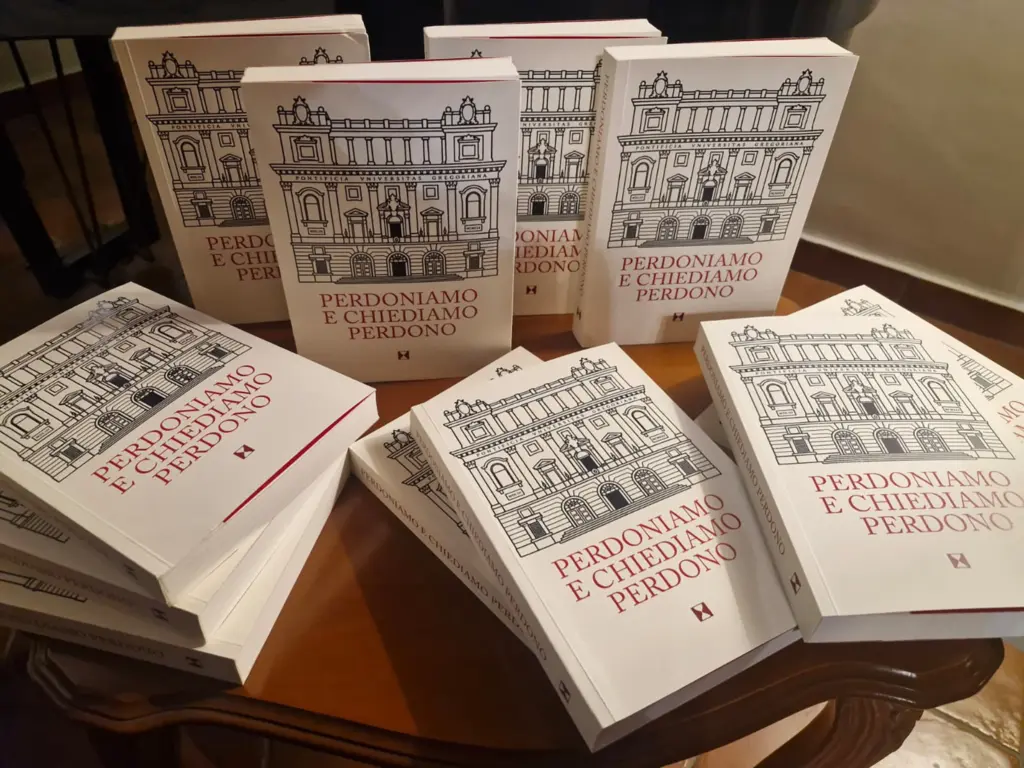
The publication, entitled “We Forgive and Ask for Forgiveness”—a title derived from the historic message sent by Polish bishops to German bishops in 1965—is the result of an academic conference held last year at the Pontifical Gregorian University to mark the 60th anniversary of that unprecedented event.
Forgiveness is born from embracing the truth about the past
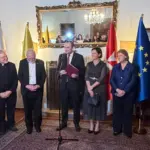
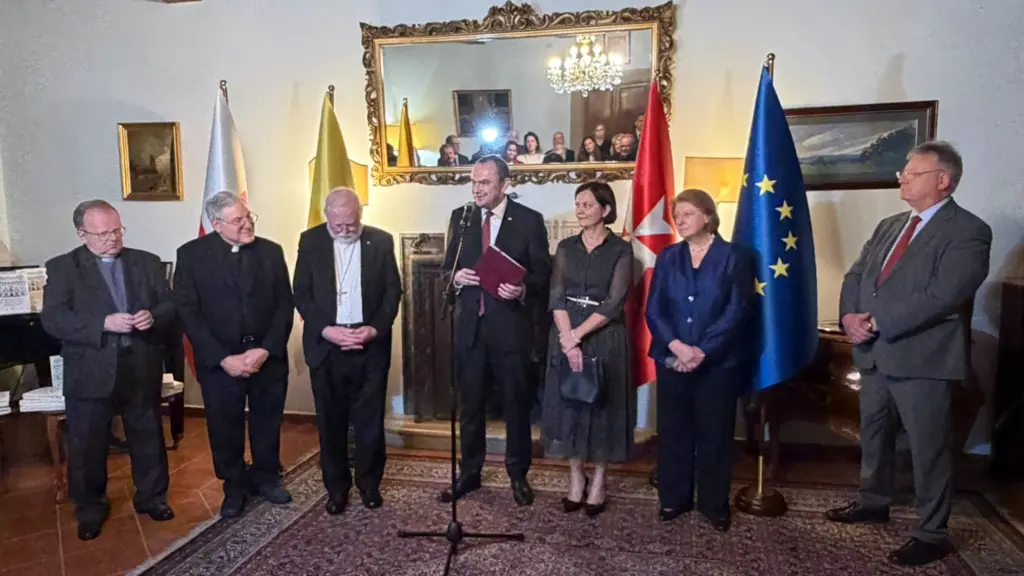
The presentation of the volume was attended by the head of Vatican diplomacy, Archbishop Paul Richard Gallagher, who emphasized the contemporary significance of the two episcopates’ gesture from years ago. „The words: ‘We forgive and ask for forgiveness,’ spoken in a Europe still deeply scarred by the wounds of war, retain a special power and relevance even today,” he said. „They remind us that reconciliation is born not from forgetting the past, but from the ability to confront it in truth, with courage and trust, opening up to sincere dialogue, while remembering that for a Christian it is above all a gift from the Lord, as Saint Paul says: ‘in Christ, God reconciled us to himself'”.
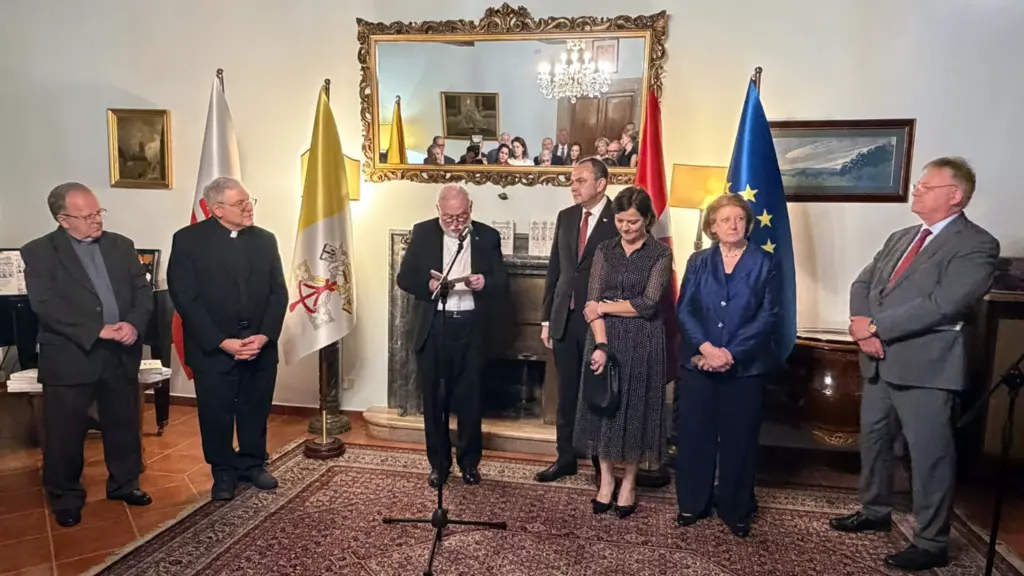
The prelate stressed that the publication is also an invitation to reflect on the value of this testimony „for the present and the future, at a time when there is no shortage of new divisions and conflicts. It reminds us how precious it is to safeguard what has been patiently built over decades.” He also expressed gratitude to the embassies of Poland and Germany to the Holy See for their commitment to promoting the memory of this event, which contributed in an unprecedented way to building reconciliation in post-war Europe.
The world needs courageous gestures of reconciliation
The host of the meeting, Ambassador Adam Kwiatkowski, thanked Archbishop Gallagher for repeatedly returning to the example set by the message of the Polish bishops to the German bishops in his addresses.
„For us, for Poland and for Germany, this is of immense importance,” he said. He also underscored the significance of the fact that the last event he is organizing before returning to Poland is a meeting dedicated to reconciliation. „The world needs something more. It needs more courageous gestures and decisions capable of anticipating their time. It needs a readiness to reach out a hand to another person. It needs showing respect and gratitude to another person, despite existing differences,” he said.
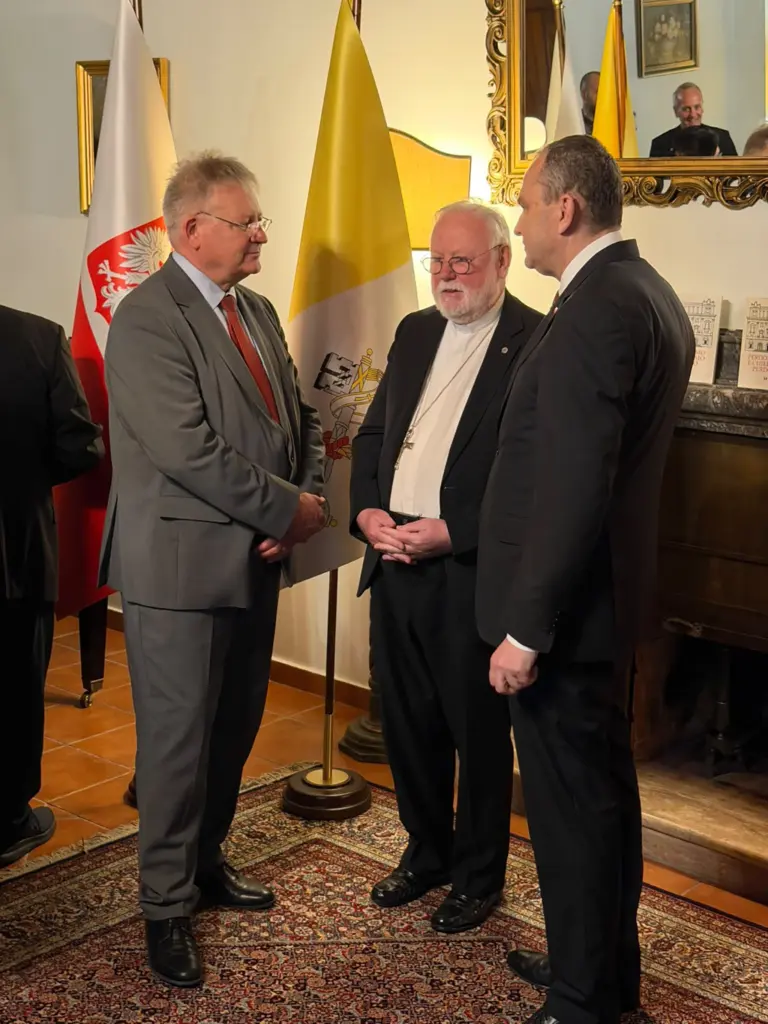
German Ambassador Bruno Kahl also spoke about the urgent need to draw inspiration from the gesture of reconciliation made years ago by the bishops of both countries.
„Reconciliation is difficult, but it is possible. However, someone must take the first step,” he said. „May this publication help awaken the right institutions and sensitize the right people to these values and to this fundamental understanding, so that similar initiatives serving to overcome hatred, violence, and war can emerge today as well.”
Memory that heals relationships
„This book is a summary of all our activities related to the 60th anniversary of the letter from the Polish bishops to the German bishops,” said Dr. Andrzej Jerie, director of the “Memory and Future” Center in Wrocław and initiator of the anniversary commemorations, in an interview with Vatican media. „When we read carefully what is written within it, we see the concrete fruits that our joint efforts have brought in building good Polish-German relations. Among them are the moving words of Knut Abraham, who said during the conference that the Wrocław commemorations of the 60th anniversary of the letter from the Polish bishops to the German bishops contributed to the Bundestag voting almost unanimously to fund the Polish House and the Monument to Polish Victims of World War II in Berlin. Publishing this book was worth it for this single sentence alone.”
The presentation of the publication was also attended by, among others, the Apostolic Nuncio to Poland, Archbishop Antonio Guido Filipazzi, former Prime Minister Hanna Suchocka, Father Prof. Marek Inglot SJ – President of the Pontifical Committee for Historical Sciences, as well as a group of over a dozen ambassadors and heads of diplomatic missions accredited to the Holy See.