History of this cultural institution
The Academic Museum was established on August 6, 1992, following the transformation of the Museum Collections Department, which had been housed in the Archives of the University of Wrocław, into an independent university-wide unit. On May 13, 2005, a museum branch called the “Archaeologist’s House” was created on the campus at 3 Koszarowa Street, where temporary exhibitions related to archaeological research are displayed. Our editorial team at “Dziennik Polonijny” searched the aforementioned museum for the oldest traces of Polish residents of this place, which are closely connected with the city of Wrocław and its surroundings.
Collections located in the museum
The Wrocław Academic Museum is located in the main university building, a magnificent Baroque edifice designed by Christoph Tausch. This building is situated right on the bank of the Odra River. Its architectural silhouette has been enriched with wonderful sculptural and, of course, pictorial decoration. This building is considered one of the most valuable Baroque monuments in Poland, as well as in the Central and Eastern part of the Old Continent.
Historic halls of the museum
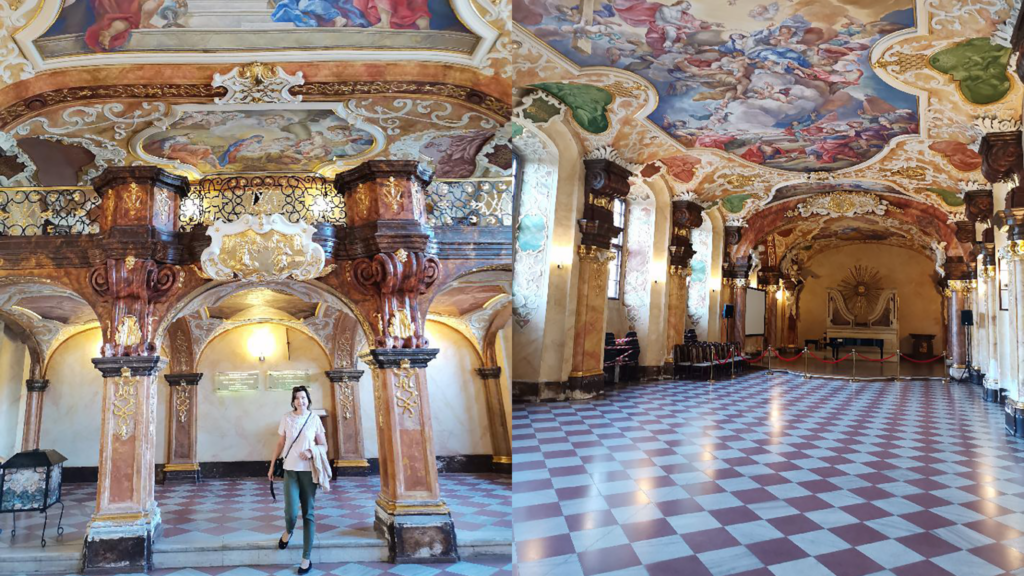
Leopoldine Hall is the largest and most representative hall of the main building. It features a well-preserved secular Baroque interior with full decoration, consisting of illusionistic wall paintings by Johann Christoph Handke from Olomouc. You can also see sculptural decoration and furnishings created by Franz Mangoldt from Moravia. Furthermore, you can admire the painting by the great Italian master, Ignatius Provisore.
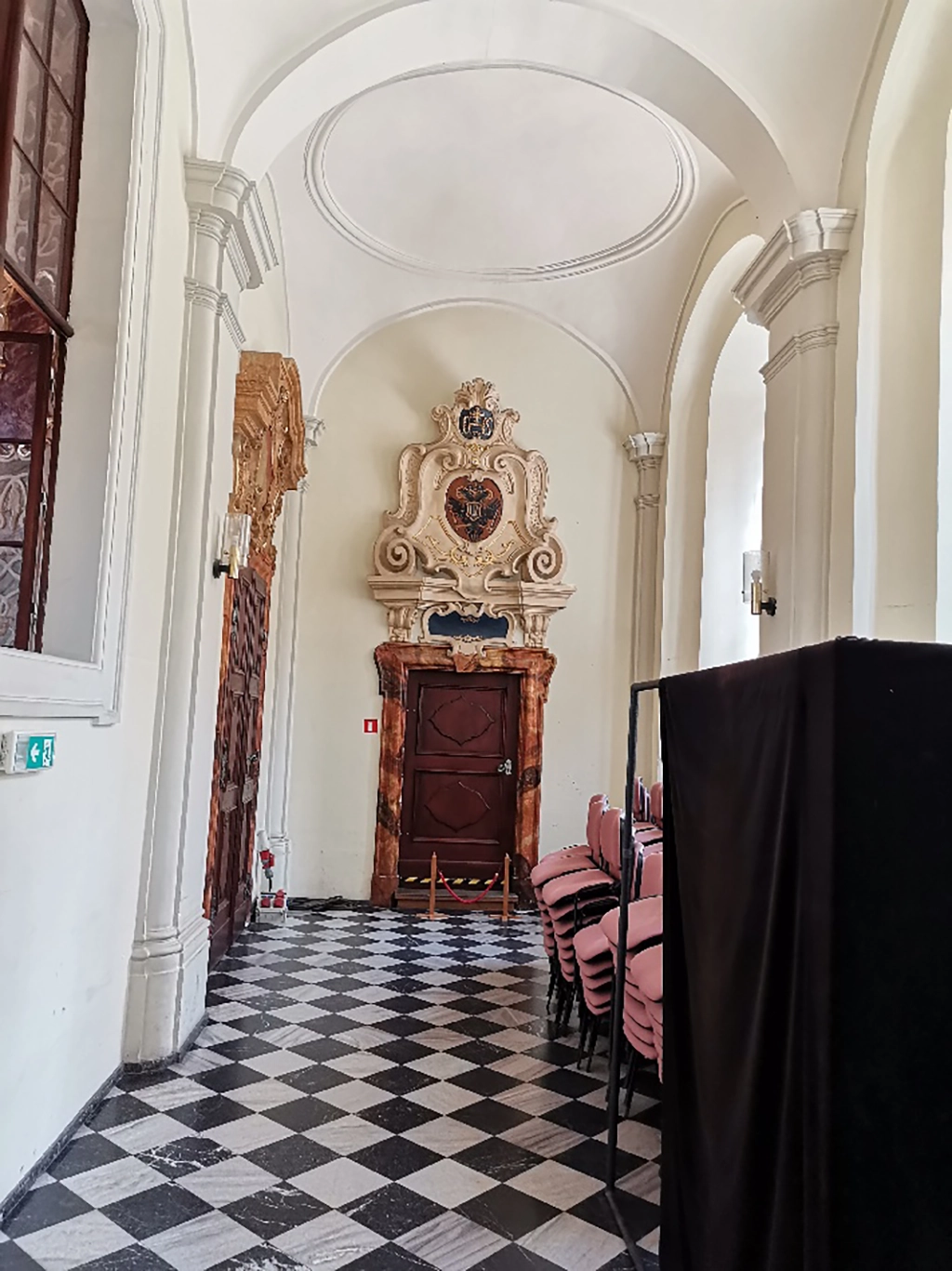
Oratorium Marianum has a Baroque interior just as beautiful as the aforementioned Hall, featuring rich decoration and furnishings. It was originally built as a monastic chapel, which served various purposes between 1728 and 1741. Following the secularization of the Jesuit order and the establishment of the University, the interior was converted into a concert Music Hall in 1811.
Mathematical Tower features a specific viewing terrace situated at a height of 42 meters. It was set up in 1791 by the Jesuit and University professor Longinus Anton Jungnitz. He was also the mastermind behind the establishment of the Astronomical Observatory with its first optical instrument and a meridian line marked on the floor of the room. It is the only scientific instrument of its kind in Poland.
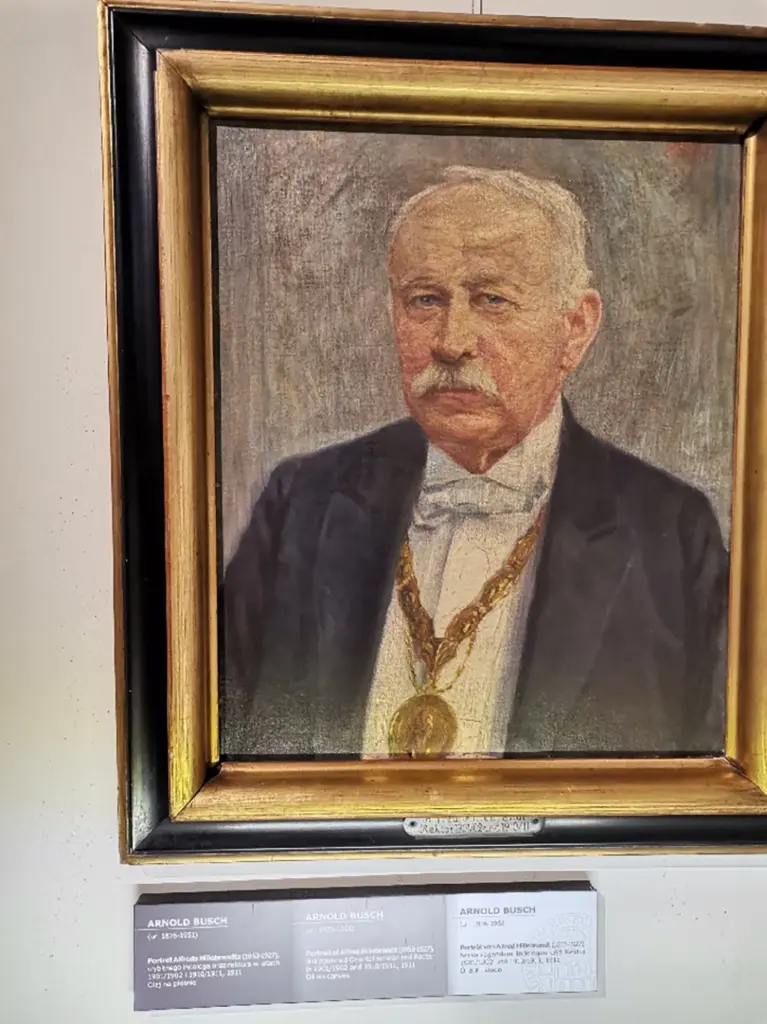
Three exhibition halls
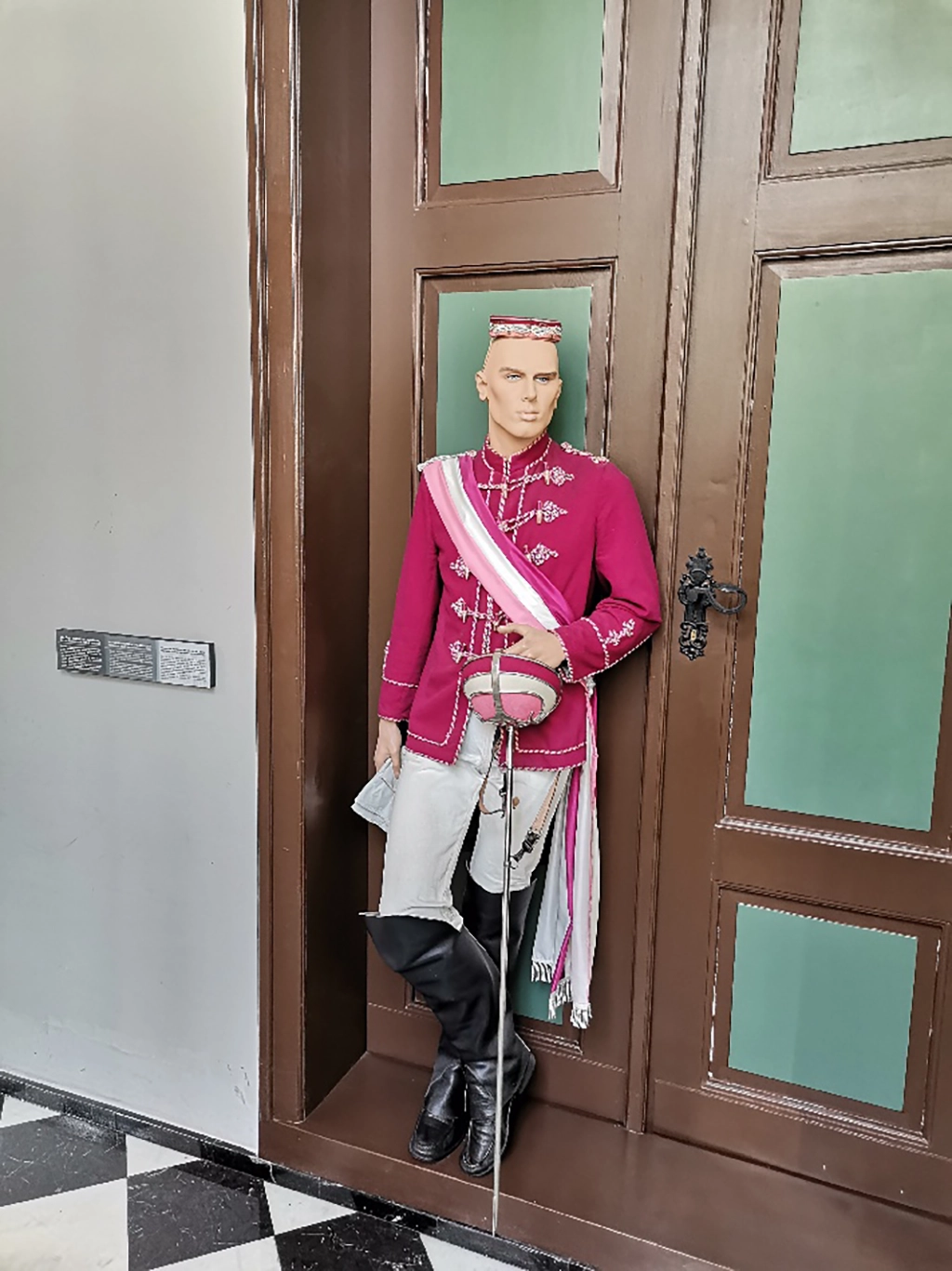
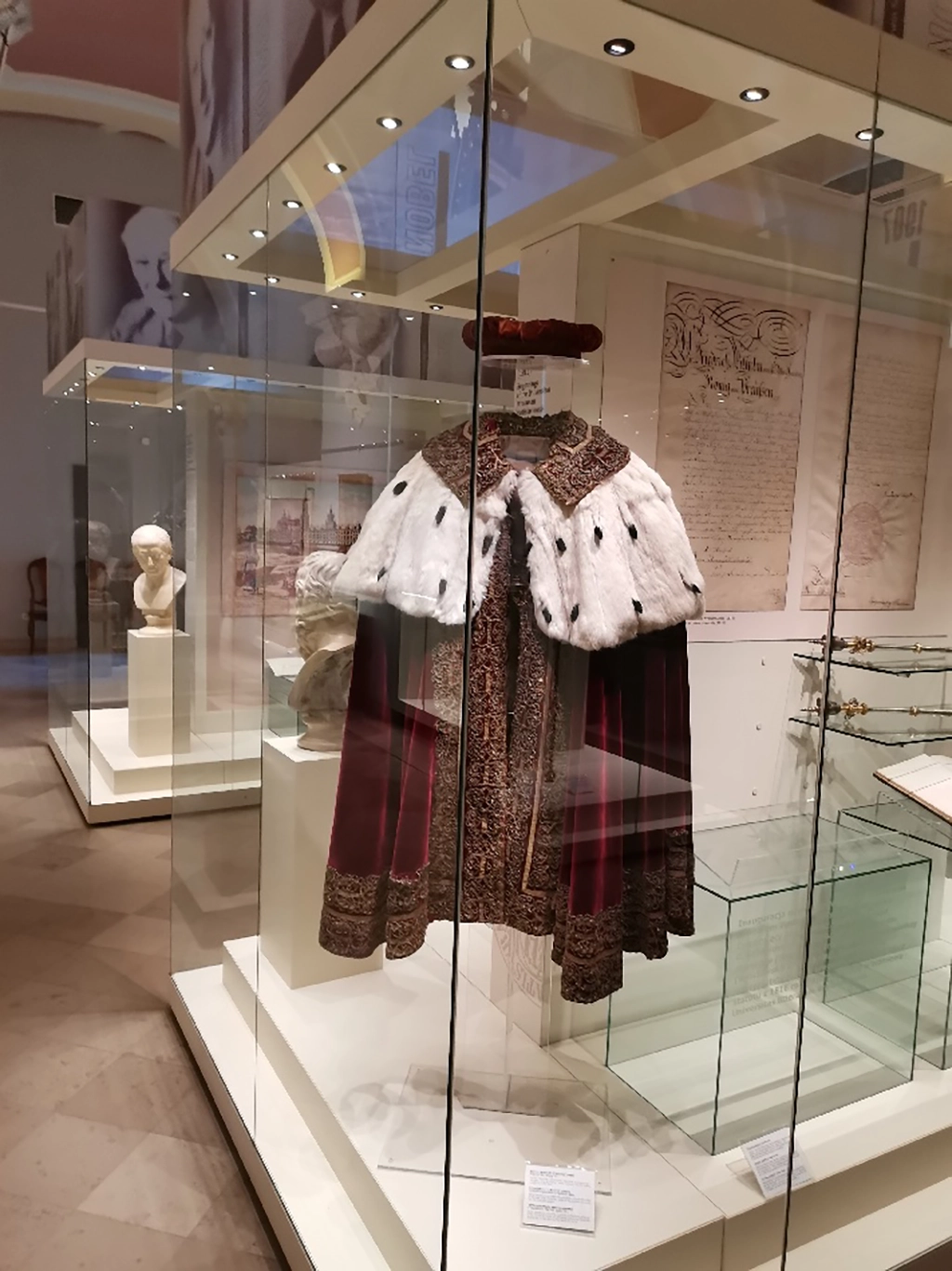
It is also worth mentioning the three exhibition halls: Roman Longchamps de Bérier Hall, Stefan Banach Hall, and the Pillar Hall. The museum has a historical profile, and the collections gathered within its walls are largely devoted to the broad history of this university. This history dates back to the 15th century and continues to the present day. The oldest collections date back to the time of the Leopoldine Academy, but the majority of them come from a later period.