A bit of history
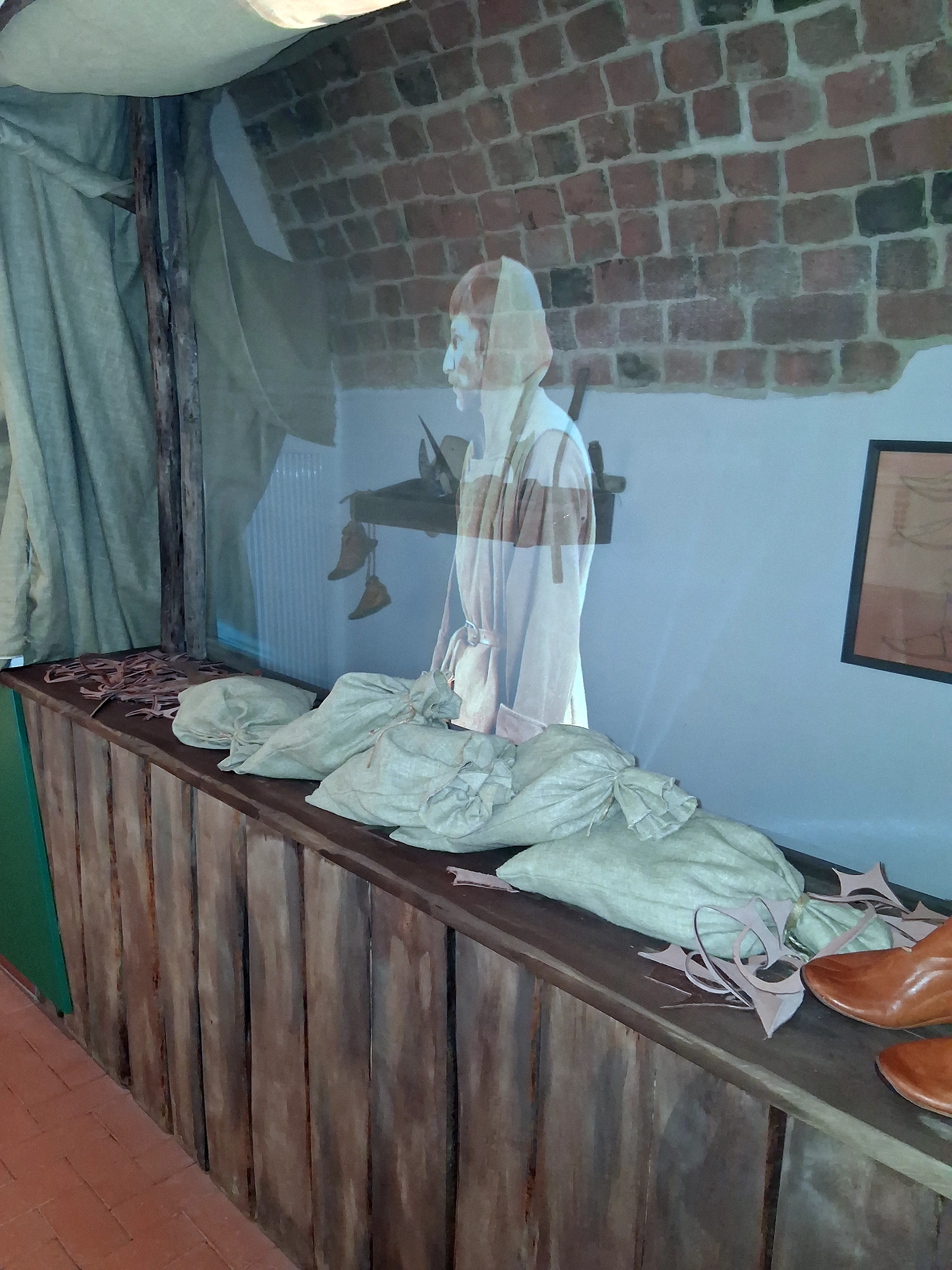
The profession of a shoemaker used to belong to the group of the most sought-after manufacturers in Polish towns and villages. Thanks to the dynamic development of this profession, guilds associating shoemakers were spread across almost the entirety of Poland as early as the 16th century. Shoemakers were divided into groups based on the raw material from which they made shoes, as well as the method of their manufacture. Thus, ordinary artisans made cheap and simple footwear, while “cordwainers” and “morocco-workers” specialized in producing shoes from expensive materials for the financial elite. At that time, shoes were sewn mostly to order. Each pair, as is still the case today, was unique and inimitable, and it is also worth emphasizing that they were custom-made. Shoemaking workshops in villages and small towns usually occupied separate, single rooms. Sometimes, however, they were located in the kitchens of these craftsmen’s homes. Indispensable equipment in shoemaking work was and still is: a workbench of appropriate height, accompanied by a comfortable stool or chair, and above it, a lamp that provided a large amount of light. Next to all this stood a rack with lasts, which are forms used for making shoes. Important tools in the shoemaking workshop included a hammer, awls, pins, waxed threads, and a small anvil used, for example, for polishing heels and the bottoms of soles.
Over 800 years
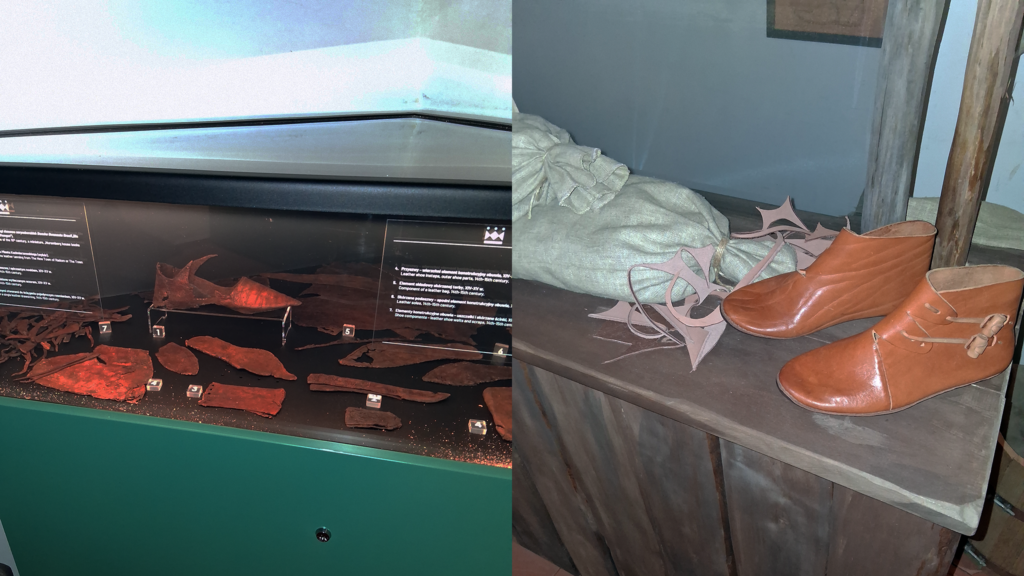
The history of shoemaking in Polish lands is estimated to be over 800 years old and is closely tied to the development of guild traditions. The first leather shoemaking products, and of course traces of shoemaking workshops in Polish lands, date back to the 11th century. In the 13th century, the first shoemaking guilds began to organize in Polish towns, associating primarily “masters” and journeymen of this profession. An example of such a guild is the Warsaw “Jan Kiliński Guild”, whose traditions date back to 1386.
The eighteenth century
Polish shoemakers played a key role in the economy of our towns. In Piotrków Trybunalski, besides making shoes, shoemakers engaged in spreading social activity. With the development of mass industry, the shoemaking craft began to face factory competition. During the interwar period, Kraków shoemakers protested against the entry of mass footwear production into the Polish market by the footwear giant, the Bata company. It is also worth mentioning that during the interwar period, specialized “footwear hubs” were formed, such as the region of Kalwaria Zebrzydowska, which became a kind of capital of Polish shoemaking craftsmanship.
As can be seen, the profession of a shoemaker is an old, refined craft profession that will exist as long as people wear shoes and are interested in fashion. The editorial office of “Dziennik Polonijny” thanks Mr. Daniel Adamczyk for showing us the exhibition related to the work of a shoemaker and introducing us to the history of this profession.