Lorenzo De Cesaris, Wojciech Rogacin – Vatican
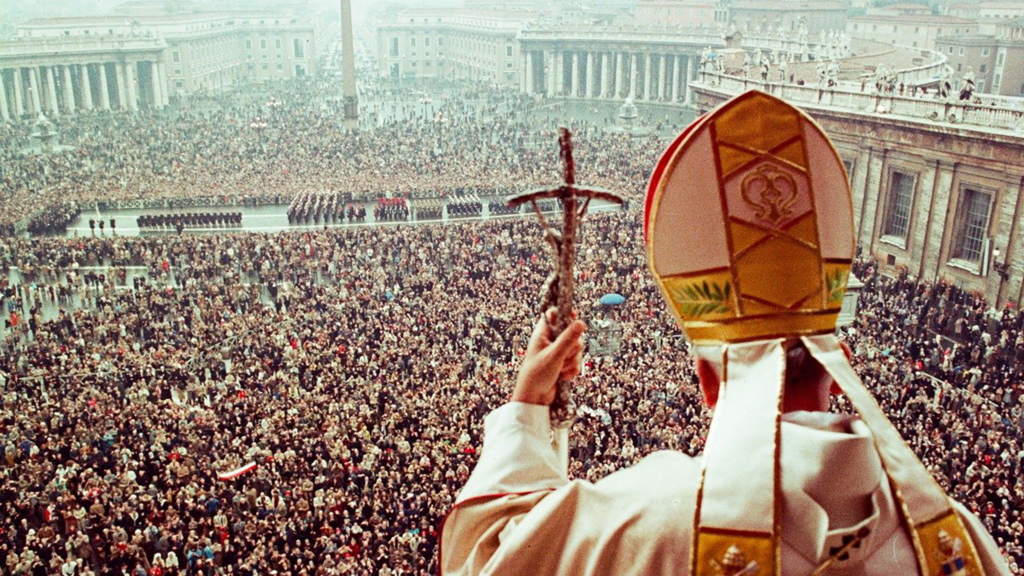
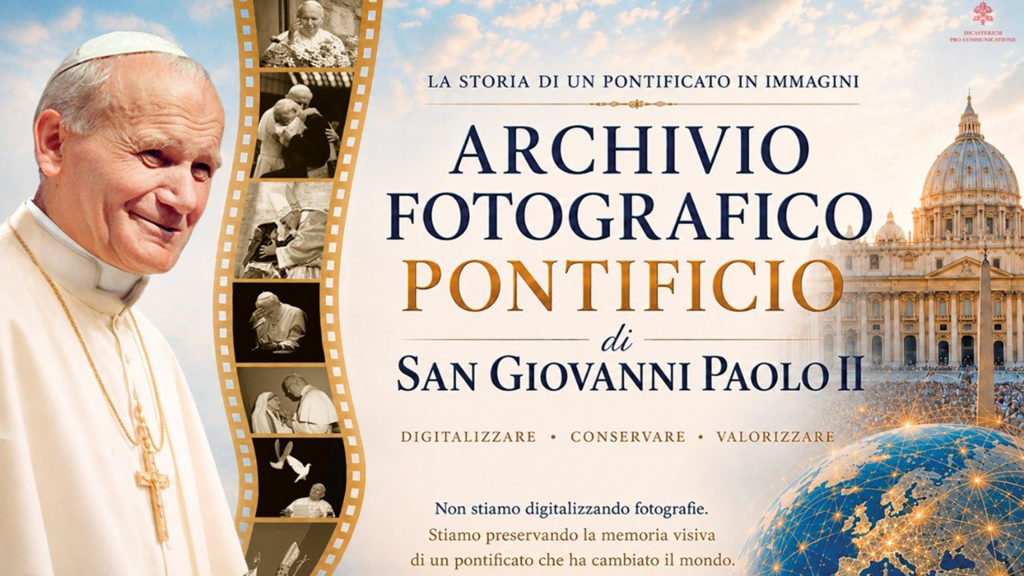
The history of nearly three decades of John Paul II’s pontificate, including his 104 apostolic journeys and 146 pastoral visits, has been captured in 4.7 million photographs. This unique visual heritage will finally be digitized so that it can be made available to the whole world.
Images of an indelible mark
The Dicastery for Communication has decided to initiate a comprehensive process of protecting and disseminating the valuable photographic archive. The project, presented on July 8 in the Marconi Hall at the Dicastery’s headquarters, is part of a much broader program implemented since 2023 by the Technological Directorate under the leadership of Francesco Masci.
Working on the digitization project of photographs from John Paul II’s pontificate will be Francesco Sforza – a photographer and curator who for years dedicated his heart, gaze, and camera lens to the service of popes, from Paul VI to Leo XIV – as well as the film conservation laboratory “L’Immagine Ritrovata” at the Cineteca di Bologna, responsible for scientific coordination and conservation work, and the company Bucap, providing the digitization technology.
Portrait of three decades
The project aims to make the photographic memory of 27 years of John Paul II’s pontificate available to the world. This includes, among other things, 104 apostolic journeys and 146 pastoral visits. In total, the archive comprises over 4.7 million photographs documenting a pontificate of exceptional intensity and international dimension. These numbers also attest to the central role that images played during the years of the Polish Pope’s ministry.
The first photographic studio
The oldest photographs in this collection date back to 1977. At that time, to meet the needs of the newspaper “L’Osservatore Romano,” a makeshift photographic studio was set up in two small rooms, one of which was located under the stairs. Over the years, an archive was created that today – thanks to millions of photos – tells the story of one of the most important periods in the history of the Church.
Preserve and make available
The program involves a complex process of work – from digitizing photographic negatives, through editorial selection, to reordering, appropriate securing of original materials, and their conservation where necessary. The result will be a digital archive that will preserve and disseminate this visual heritage, making it accessible to everyone.
At the pace of our times
In an era of profound technological changes, the project also has a symbolic dimension. The Prefect of the Dicastery for Communication, Paolo Ruffini, emphasized that this initiative is a testament to the transition from the analog to the digital world – in a reality where “memory deprived of an image risks gradually fading and extinguishing.”
Ruffini also highlighted the importance of preserving the legacy of those who came before us, because it is by looking to the past that the future is built. At the same time, he pointed out that technology should never be separated from human passion and intelligence, especially when it comes to photography and images.
“It is important that our home and all our experience are integrated, so that we can perceive the beauty that comes from keeping pace with our times,” concluded the prefect.