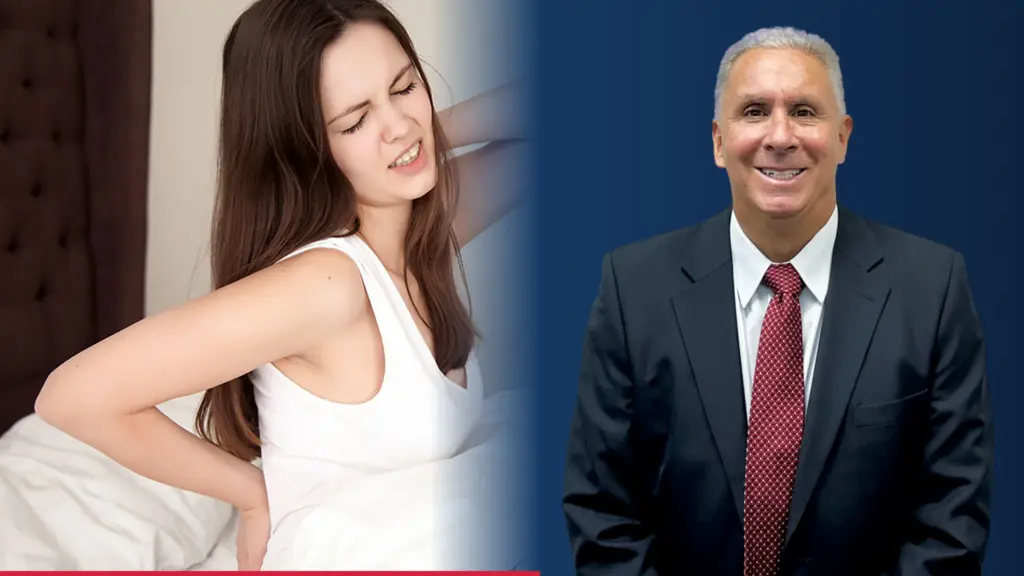
Chronic pain following a work-related injury can be the basis for Workers’ Compensation benefits in New York—both medical and monetary, awarded on a no-fault basis. The employer must be notified within 30 days, and the claim on Form C-3 must be filed with the Workers’ Compensation Board within two years of the accident.
Back pain after years of lifting in a warehouse, a shoulder that won’t recover after a fall on a construction site, knees ruined from cleaning—such ailments are rarely obvious at first glance, but they can keep you out of work for months. That is precisely why, in chronic pain cases, so much depends on deadlines, documentation, and how the connection between the injury and work is described.
Pain That Doesn’t Show on an X-ray
The law firm The Heller Law Firm, PC writes in an article on its website that back pain “can be a debilitating and life-changing condition.” From the employee’s perspective, the problem is often that chronic pain does not show up on an X-ray as clearly as a fracture. Sometimes an employer downplays the issue, and the injured person delays a doctor’s visit because “somehow you have to make ends meet until the end of the month.” Some people also fear that reporting an injury will negatively affect their job.
Meanwhile, the workers’ compensation system does not ask about fault. As explained by the Workers’ Compensation Board, this is insurance that provides monetary benefits and medical care following a work-related injury or illness, and the employee’s own carelessness generally does not deprive them of the right to these benefits. However, benefits are not granted if the injury results solely from the employee’s intoxication at work or from their intent to injure themselves or another person (WCL §10).
Deadlines and Benefits: What the Regulations Say
According to the WCB claims filing page, the employer must be notified within 30 days, and Form C-3 must be filed within two years of the accident or from the time the employee knew or should have known that the illness was work-related. Additional reporting rules apply to occupational diseases.
When an employee returns to work but earns less due to the injury, they may be eligible for partial benefits—up to two-thirds of the difference in earnings. Treatment within the system is based on Medical Treatment Guidelines, among which the WCB has a separate document regarding chronic pain (Non-Acute Pain). A list of the guidelines is published on the WCB website. The guidelines do not automatically determine what therapy a specific person is entitled to—treatment is decided by the doctor, and any disputes are resolved through the procedure provided by the WCB.
What This Means for Polish-American Workers
The most important thing is written notification and keeping a copy of it—an oral “I told the boss” is difficult to prove later. From the very first visit, it is worth telling the doctor that the injury is work-related and describing the symptoms truthfully: including better and worse days. For pain that develops gradually rather than from a single incident, a simple chronology of symptoms, visits, and work limitations is useful. Letters from the insurer, such as summonses for a medical examination or decisions to suspend payments, should be read in full and not pushed aside—they contain deadlines and information about next steps.
If someone outside the company is responsible for the injury—for example, another company’s driver or a contractor on a joint construction site—the employee can simultaneously collect benefits and seek compensation from that person. Pursuant to WCL §29, the insurer that paid the benefits has a lien on the amount recovered, and a settlement may require its approval or court approval.
Free Consultation in Polish
The law firm, founded by Norman H. Heller, Esq., handles workers’ compensation cases in New York. The firm has dedicated a separate article on its website to injuries, chronic pain, and workers’ compensation. More about the firm can be found in its profile in the PolishPages directory.
The initial consultation is free, and the conversation can take place in Polish—at the offices in Ridgewood and Lake Success. Phone: 516-441-5656.
This article is for informational purposes only and does not constitute legal advice; reading it does not create an attorney-client relationship. The material is attorney advertising. Prior results do not guarantee a similar outcome in the future.