Catheter ablation is a procedure in which a doctor inserts thin catheters through blood vessels into the heart, locates the source of abnormal impulses, and creates a small scar in that area to block them. It is performed in a hospital without opening the chest, following prior heart rhythm diagnostics.
Medications remain an important method for treating heart rhythm disorders, but in selected cases, an electrophysiologist can reach the exact spot where the arrhythmia originates. The decision to proceed with this type of treatment is made after a thorough diagnosis and a discussion regarding the benefits, risks, and other options.
What is ablation?
According to the U.S. National Heart, Lung, and Blood Institute (NHLBI), ablation is performed in a hospital as part of a cardiac catheterization. Flexible catheters are guided through blood vessels all the way to the heart: some record electrical signals and help locate the source of the arrhythmia, while others are used for treatment. The tip of the catheter is directed at a small area of tissue, and energy—such as radiofrequency waves, extreme cold, or laser light—creates a scar that blocks the abnormal impulses (NHLBI on arrhythmia treatment).
For the patient, the difference compared to traditional ideas of “heart surgery” is fundamental: the chest is not opened, and the procedure focuses only on the small section of tissue responsible for the disorder. It is precisely this precision that makes so much depend on the quality of the prior diagnosis.
Like any medical procedure, ablation carries risks. The NHLBI lists potential complications such as bleeding, infection, vessel or heart damage, rhythm disturbances, and blood clots. Due to the use of radiation, patients are also asked to inform their doctor if they are or might be pregnant. Discussing these issues is a standard part of the qualification process.
What arrhythmias are treated with ablation?
The range of indications depends on the type of disorder and the patient’s individual situation. Dr. Adam S. Budzikowski qualifies patients for ablation and treats conditions including atrial fibrillation and flutter, atrioventricular nodal reentrant tachycardia (AVNRT), accessory pathways in Wolff-Parkinson-White (WPW) syndrome, and atrial and ventricular tachycardias.
Before a decision is made to perform the procedure, the arrhythmia must be documented—captured via an ECG, Holter monitor, or extended monitoring—and heart function must be assessed through tests such as an echocardiogram. This initial stage can take place in an outpatient clinic, while the procedure itself is later performed in a hospital.
Ablation is one available option rather than an inevitable conclusion for every arrhythmia. Alongside it, the NHLBI describes treatments using implantable devices such as pacemakers and defibrillators, while medications are sufficient for some patients. The choice depends on the specific type of disorder and the patient’s condition.
Questions before the procedure
The consultation is a good time to ask practical questions: what tests need to be done in advance, how to manage current medications, what preparation is needed for the hospital stay, and what follow-up care to expect. Writing down questions beforehand helps ensure nothing is missed.
Informed consent is truly meaningful only when the patient understands every part of the discussion regarding benefits, risks, and alternatives. That is why being able to conduct this conversation in Polish matters to many Polish-American patients. Continuity of care is also important: when the same doctor handles the qualification, the procedure, and the subsequent follow-ups, the patient does not need to retell their medical history every time.
Who performs the treatment?
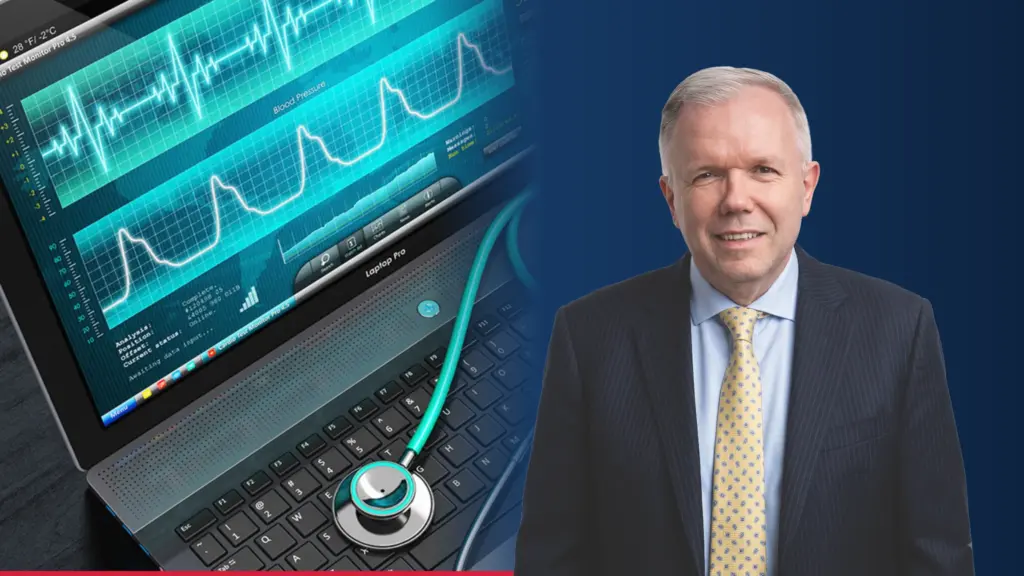
Dr. Adam S. Budzikowski, MD, PhD, FHRS, is a cardiologist and electrophysiologist, and an associate professor of clinical medicine at SUNY Downstate Health Sciences University, where he established the ablation program from scratch. He conducts consultations and qualifications at the Maspeth Clinic and performs ablation procedures in the hospital.
You can read more about the doctor’s qualifications and scope of work in Dr. Budzikowski’s directory profile on PolishPages and on the page regarding heart rhythm disorder treatment at the Maspeth Clinic. Consultations can be scheduled by phone: 929-252-9330.
Regardless of planned treatments, the same safety rule applies: chest pain, pressure, or discomfort, shortness of breath, or a feeling of impending fainting are symptoms for which the CDC recommends calling 911 immediately (CDC on heart attack symptoms).
This article is for informational purposes only—it provides general information rather than medical advice, and it does not replace a visit to a physician. Consult a doctor regarding any individual health concerns.