By the Belnianka River
In 1819, Huta Szklana was commonly called Szklana Huta. It is a village situated about 10 kilometers northwest of Łagów, right by the Belnianka River, below the Hucka Pass. It is also located roughly 3 kilometers from the Świętokrzyski Monastery.
In the Parish of Nowa Słupia
Historically, in 1827, it was established in the Opatów poviat within the parish of Nowa Słupia. In the 19th century, the village was the property of the Świętokrzyski Monastery, and from 1819, the village of Szklana Huta together with an inn belonged to the Świętokrzyski convent. In 1827, there were 12 houses in this village with 73 inhabitants. A tithe in the amount of 12 florins was due from this village to the table of the aforementioned convent.
War Years
On April 22, 1943, this village was pacified by German gendarms led by Albert Schuster from the post located in Nowa Słupia. At that time, they murdered 10 innocent and defenseless people.
Past Reality of Life
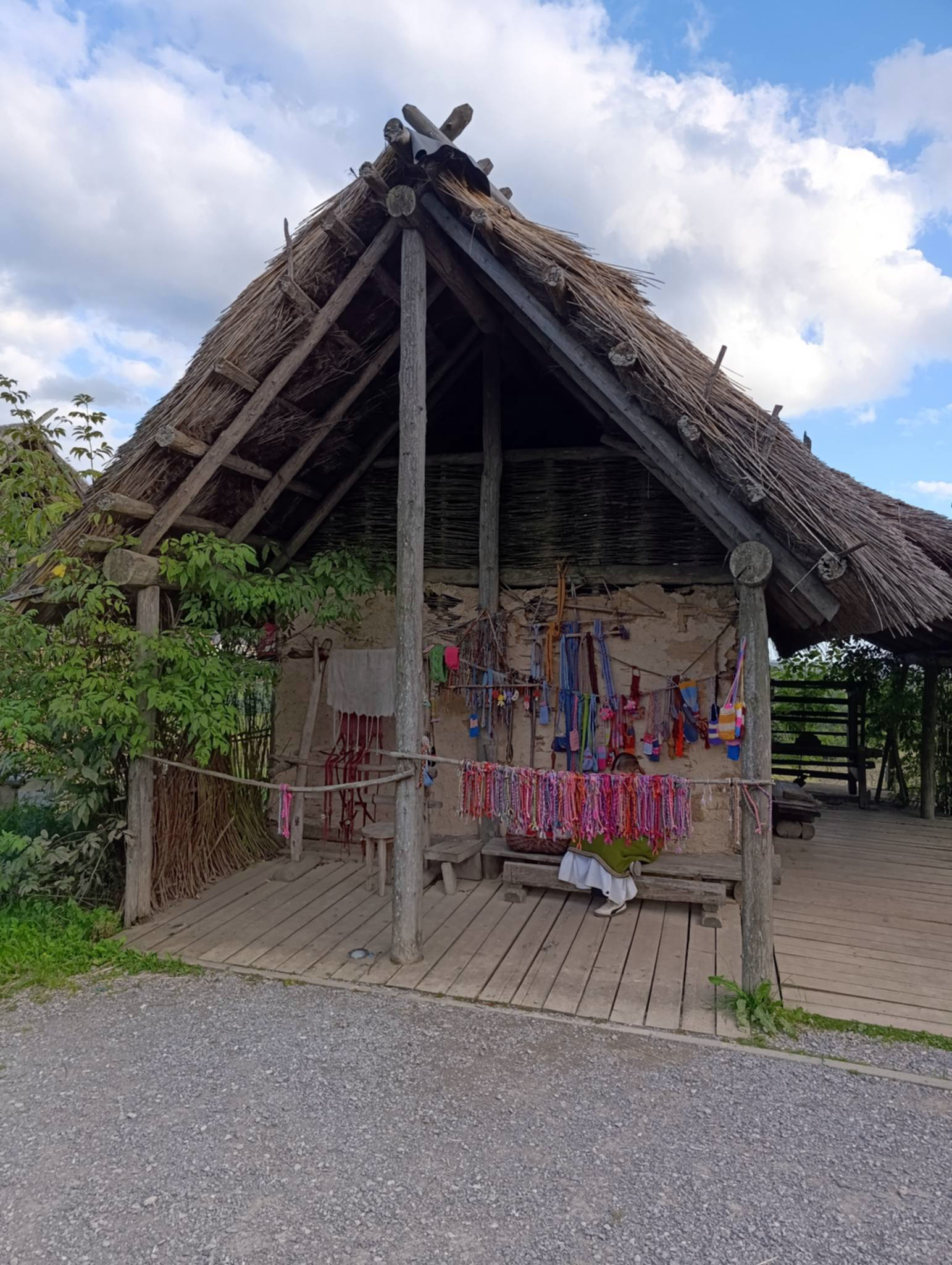
Visiting the Medieval Settlement in the village of Szklana Huta, we discover the reality of the past with all its 12th-century color and pagan deities such as Świst, Poświst, and Pogoda, who were worshipped ages ago by the ancient inhabitants of these lands at the top of Łysa Góra. Amidst the hardships of daily life, when all the tools needed for normal household living had to be made by hand—including food that first had to be hunted—people here once lived.
You Can Handcraft a Pot Here
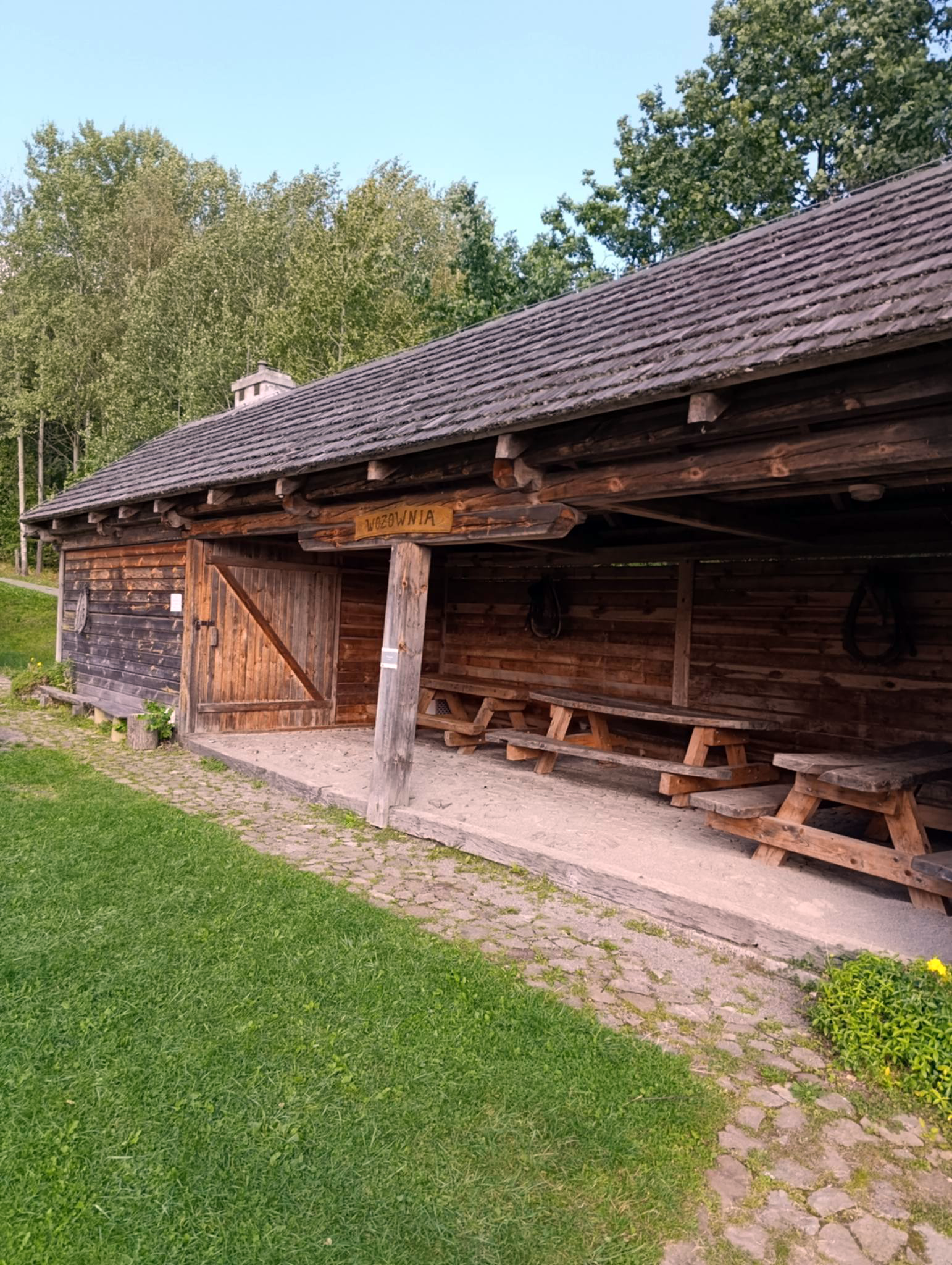
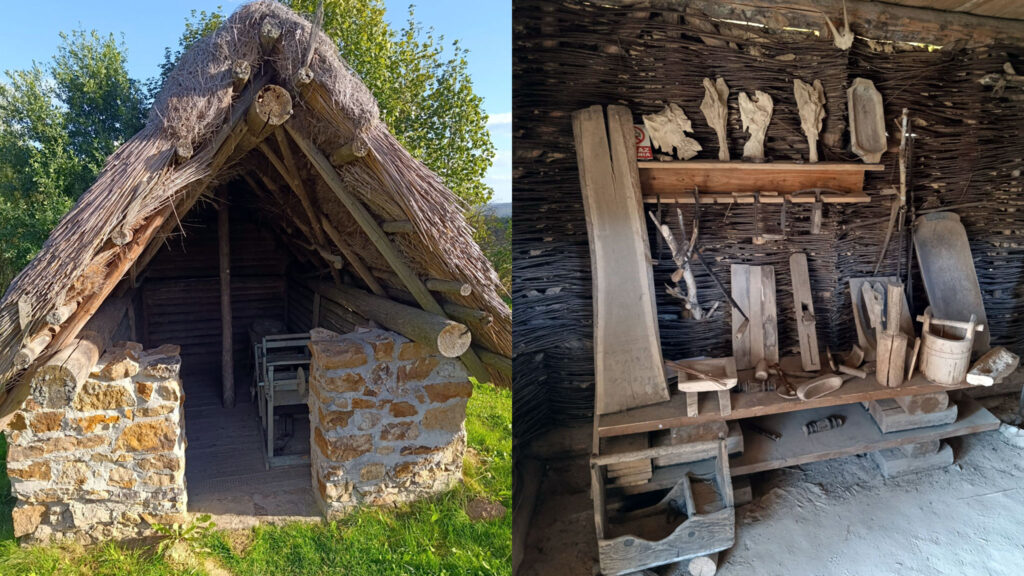
In the aforementioned Medieval Settlement, we will also meet its former inhabitants working at their stations as they did in the past. Here you can see a pottery workshop, a blacksmith’s forge, a wood-working area, and a beekeeping homestead. You can experience for yourself whether molding a clay pot or weaving linen for a coarse shirt by hand was an easy task.
Heroes of Świętokrzyskie Legends
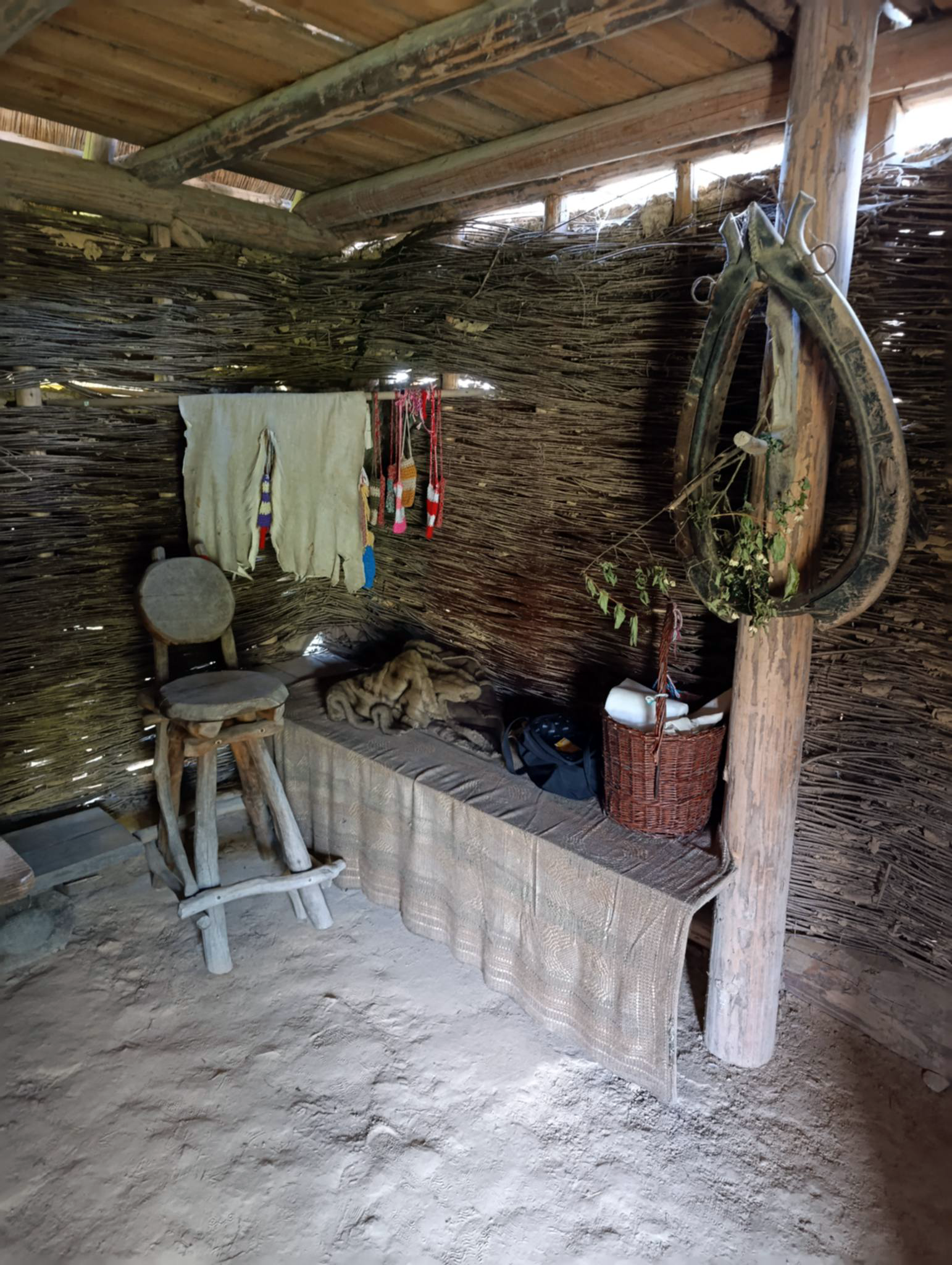
In the central part of the village, where wetlands stretch, we encounter wooden and stone statues of heroes from Świętokrzyskie legends. They introduce tourists to a world of horror, magic, and mystery. The atmosphere of medieval everyday life can be found in a homestead surrounded by a wattle fence, featuring a cottage with clay-plastered walls and a thatched straw roof.
Seeing Ancient Specialties
We can also discover the ghosts of the past in the backyard cellar, which stores period culinary specialties along with dried bundles of flax, millet, and wheat. Wandering along the gravel path, we pass the herbalist’s hut, with its adjacent plots full of aromatic herbs. Inside her cottage are secret potions with a hearth needed for brewing magical infusions.
Here you can also take a journey through time, from pagan centuries to the beginnings of Christianity. It is right here that centuries ago, the life of every person unfolded alongside magic and figures from pagan legends.