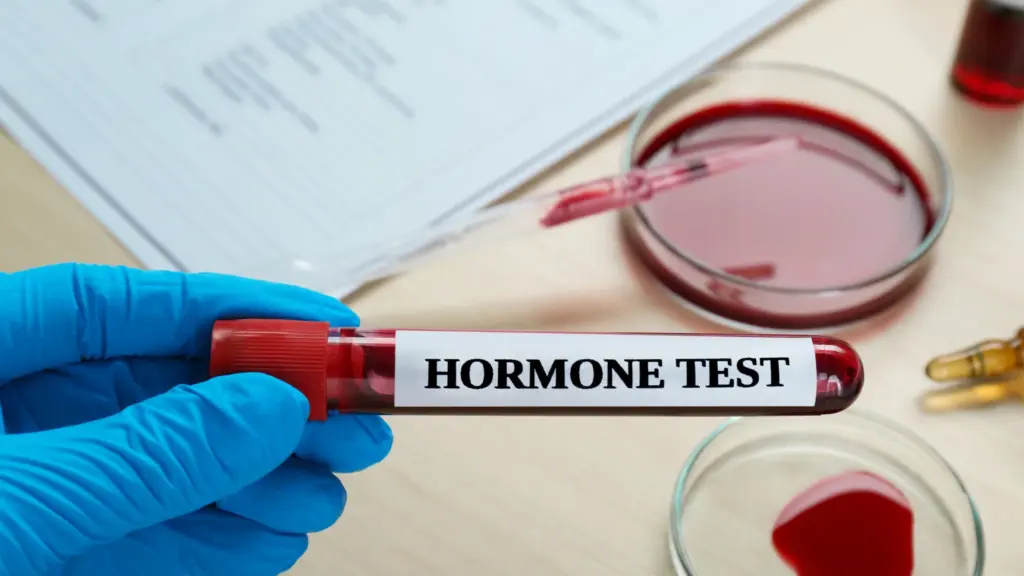
BHRT is hormone therapy based on hormones with the same chemical structure as those the body produces. Both FDA-approved products and preparations made by compounding pharmacies are available. Therapy is chosen after testing and a medical history, and then monitored regularly.
When hormones change how you feel
Estrogen, progesterone and testosterone affect much more than fertility. Their fluctuations and declines show up in sleep, mood, concentration, libido and energy levels – in women, but also in men. Many people spend years attributing these changes to overwork, stress or “just the way I am” before anyone suggests checking their hormones.
Not every drop in mood has a hormonal cause, and not every one calls for hormone treatment. That is why the starting point is a thorough history and testing, not a ready-made protocol. Only by putting together symptoms, health history and results can a clinician judge whether hormone therapy is the right path at all.
A simple diary kept for a few weeks before the visit is often helpful: how you sleep, when your energy dips, how your mood changes over the month, what happens with appetite and libido. Such notes organize the conversation and later make it possible to compare whether anything has actually changed after treatment begins.
Bioidentical, FDA-approved or compounded?
The term “bioidentical” refers to hormones with the same structure as natural human hormones. The Menopause Society, the American scientific society focused on menopause, notes that such products are available in pharmacies as FDA-approved medications, in a range of doses and forms. The society also states that custom-compounded hormones are not safer or more effective than approved bioidentical hormones (The Menopause Society on hormone therapy).
The FDA, in turn, explains that compounded drugs are not FDA-approved – the agency does not verify their safety or effectiveness before they are marketed (FDA: questions and answers on compounding). Approved bioidentical hormones come in several forms, including patches, gels and tablets – the choice depends on the patient’s health and preferences. This does not mean compounded preparations have no role, but patients should know which medication they are receiving and discuss the reasons for that choice with their clinician.
And here is where it gets complicated: online, it is easy to find promises of “natural youth” without testing or follow-up. Responsibly managed hormone therapy, however, is a process – the dose, route of administration and next steps depend on results and on how the patient feels over the following weeks.
Monitoring and a conversation in Polish
Before starting therapy, the clinician takes a detailed history: past illnesses, family history, medications and supplements, and then orders tests. After treatment begins, follow-up visits assess the effects and any side effects. Some people notice a change sooner, others need more time – the body’s response is individual.
Hormone therapy, including BHRT for women and men, is provided by Magdalena Szczepanska, MSN, APRN, ANP-C of Downstate Adult Health NP. She has more than 25 years of experience in healthcare and holds a BHRT certification; she is originally from Poland and conducts visits in Polish at her offices in Greenpoint and Port Jervis. For patients from Polish families, this is often the first chance to calmly discuss their results in their own language.
Credentials and the full range of services are presented in the Downstate Adult Health NP listing on PolishPages. Consultations can be scheduled at 845-672-6033.
Thoughts of giving up, a sudden worsening of mood or sudden symptoms requiring urgent help are situations that do not wait for a scheduled visit – in a life-threatening emergency call 911, and in a mental health crisis call or text 988.
This article is for informational purposes only and does not constitute medical advice. Every health situation requires an individual assessment – please contact Downstate Adult Health NP.