Under federal law, a hostile work environment requires severe or pervasive conduct. New York City law, and since 2019 also New York State law, protects employees more broadly: treatment going beyond “petty slights and trivial inconveniences” is sufficient. A witness may also be protected, and the perpetrator does not have to be a supervisor.
Many employees have heard that a sexual harassment case at work “must involve something truly serious,” and therefore endure unpleasant behavior in silence for years. Meanwhile, such a high threshold stems from federal law, while workers in New York are also protected by city law and—since 2019—state law, which evaluate such situations by a different, more employee-friendly standard.
Federal Law vs. New York Law
Under federal law, behavior must be severe or pervasive, meaning repetitive or long-lasting—with severe conduct, even a single incident may suffice. New York City law considers treatment that goes beyond “petty slights or trivial inconveniences” to be a hostile work environment, as described by the Robert Wisniewski P.C. law firm on its website. Since 2019, a similar, lower threshold has also applied under New York State law.
In practice, this means that a series of “jokes” about an accent or origin, dismissed elsewhere as too trivial, can have legal significance in New York. For Poles working in Manhattan offices, Greenpoint shops, or Maspeth construction companies, this is a difference few people know about.
Not Just Sexual Harassment
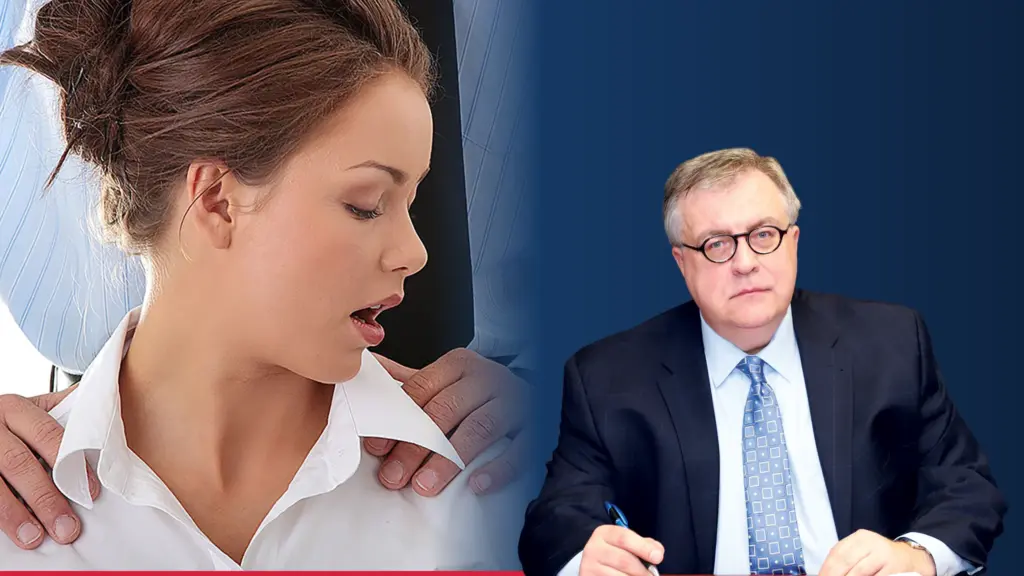
Sexual harassment can take the form of demanding sexual favors in exchange for a promotion or better treatment, or creating a work environment that is hostile or humiliating to the employee because of their sex. The law firm lists examples: unwanted touching, suggestive gestures and comments, intimate questions, rumors about sexual life, unwanted messages, or persistent requests for dates. The victim can be a woman or a man, and the perpetrator can be of the same sex.
A hostile work environment can also stem from discrimination based on race, national origin, skin color, religion, sexual orientation, pregnancy, age, or disability. The firm’s list includes mimicking an accent, ethnic “jokes,” isolating an employee due to religion or origin, and an older employee’s constant questions about when they will finally retire. Sound familiar?
The law provides broader protection than commonly thought. The victim does not have to be the person at whom the behavior is directed—the firm gives the example of a man who witnesses offensive comments directed at women. A hostile environment can be created not only by supervisors, but also by coworkers, suppliers, or company clients. Municipal regulations are enforced, among others, by the NYC Commission on Human Rights.
Reporting and Retaliation Protection
It is unlawful to fire an employee or treat them worse for filing a harassment complaint, as well as for ending a consensual relationship. The law firm points out that in larger companies, the formal path matters: reporting procedures are usually described in the Employee Handbook or internal policies established by management.
On its website, the firm also encourages people to react when they witness or experience offensive behavior—so that it is clear it is unwanted. For many people, this is the hardest moment. Immigrants, especially at the start of a job in a new place, often prefer to brush off the boss’s “joke” rather than risk conflict. Meanwhile, under certain circumstances, liability can lie not only with companies, but also with specific individuals who create or permit such an environment.
Hostile work environment cases are cases about evidence. A note with the date, time, and names of witnesses, saved messages, or emails show how often and in what tone the incidents occurred. More information can be found on the law firm’s page on harassment and a hostile work environment.
Free Consultation in Polish
Robert Wisniewski has been handling cases in state and federal courts for over 30 years. In employment and discrimination cases, the firm represents employees exclusively.
The initial consultation is free, and the conversation can take place in Polish, directly with the attorney, which is often important to many people in such personal matters. Robert Wisniewski P.C. law firm, phone: 212-267-2102.
This article is for informational purposes only and does not constitute legal advice; reading it does not establish an attorney-client relationship. The material is attorney advertising. Prior results do not guarantee a similar outcome in the future.