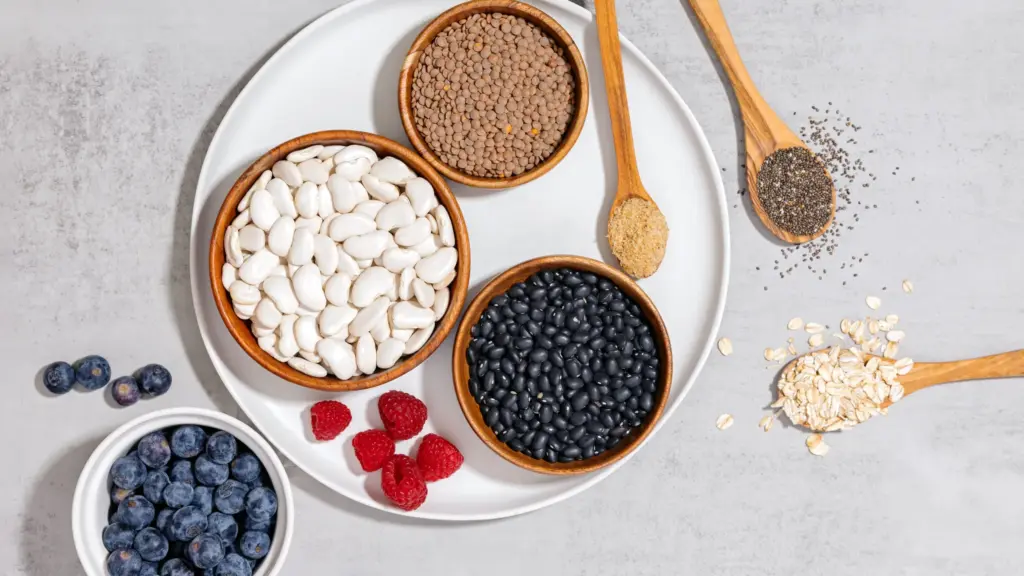
Adults need 22 to 34 grams of fiber a day, depending on age and sex, according to the U.S. dietary guidelines cited by the CDC and NIDDK. The easiest sources are beans, lentils, split peas, berries, oats and chia seeds. Increase your fiber intake gradually to avoid bloating.
We count protein and watch calories, but fiber often gets forgotten. It is one of the cheapest ways to support everyday health – no expensive supplements or miracle diets required, just ordinary home cooking.
How much fiber does an adult need?
The CDC says adults should eat 22 to 34 grams of fiber a day, depending on age and sex. Magdalena Szczepanska, a nurse practitioner at Downstate Adult Health NP with offices in Greenpoint and Port Jervis, says that for many adults 25–30 grams is a good starting goal. It is not a fixed rule for everyone – people with digestive conditions may have different needs.
Keep in mind that fiber comes only from plants. Meat, fish, poultry and eggs provide protein, but no fiber at all.
Fiber, diabetes and insulin resistance
Soluble fiber – found in oats, beans, lentils, apples and flaxseed – forms a gel in the stomach. That gel slows digestion, so sugar from a meal enters the bloodstream more slowly. The CDC notes that fiber can help prevent and manage diabetes. That makes fiber-rich foods a smart choice if you have insulin resistance, prediabetes or diabetes.
One caveat: beans and oatmeal still raise blood sugar. Portion size and the rest of the plate still matter.
Fiber, cholesterol and heart health
The same soluble fiber can help lower LDL, the “bad” cholesterol. According to the CDC, fiber keeps the body from absorbing some fat and cholesterol from food, which may lower the risk of heart disease. Research shows the effect is modest and varies from person to person. Fiber does not replace medication your doctor has prescribed, but it is a good addition to a daily diet.
Fiber, constipation, bloating and IBS
Insoluble fiber – from whole grains, nuts, seeds and fruit skins – adds bulk to stool and helps with constipation. Some types of fiber also feed the good bacteria in your gut.
More is not always better. Some fibers, such as those in onions, garlic or added inulin, can cause gas and bloating in sensitive people. People with irritable bowel syndrome (IBS) may need a different type of fiber or a smaller portion. If pain, severe bloating or constipation does not go away, talk to your doctor.
Where to find fiber in everyday food
You do not need exotic ingredients. Approximate amounts from the Downstate Adult Health NP blog:
- 1/2 cup cooked lentils or split peas – about 8 g,
- 1/2 cup cooked black beans – about 7–8 g,
- 1 cup raspberries – about 8 g,
- 2 tablespoons chia seeds – about 8–10 g,
- a pear or apple with the skin – about 4–6 g.
Many Polish family favorites are naturally rich in fiber: split pea soup, bean soup, buckwheat groats and oatmeal with ground flaxseed.
How to add fiber without upsetting your stomach
The most common mistake is changing everything overnight. Magdalena Szczepanska suggests starting with one meal and adding one fiber-rich food you enjoy – for example, lentils in your soup or raspberries in your yogurt. Increase fiber slowly, spread it across meals and drink more fluids. The NIDDK guide to diet for constipation gives the same advice.
“A habit you can repeat is more useful than a perfect plan you abandon after three days,” she says. Her full article, including prebiotics and fiber supplements, is on the Downstate Adult Health NP blog. To learn more about the practice or get in touch, see the Downstate Adult Health NP profile in the PolishPages directory.
This article is for general information and does not replace medical advice. Fiber needs depend on your health – for individual questions, consult a doctor or another licensed clinician.
Take the Daily News with you – the PolishPages app: iPhone · Android
Based on the Downstate Adult Health NP blog and materials from the CDC and NIDDK.
iPhone is a trademark of Apple Inc., and Android is a trademark of Google LLC. All trademarks belong to their respective owners. Polish Pages and Poland.us are not affiliated with or endorsed by these companies.