Fr. Łukasz Bankowski – Vatican City
The Paulines tried it first
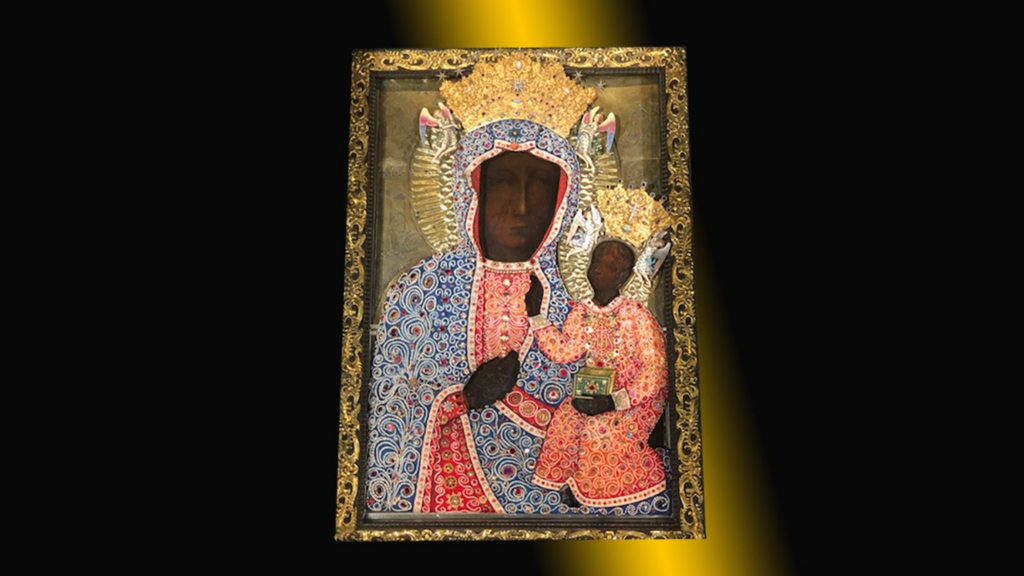
The Pauline Fathers sought the possibility of honoring Our Lady of Częstochowa according to the norms of the Roman liturgy as early as the 17th century. Following the defense of the monastery against the Swedes, they asked the Apostolic See to establish a special thanksgiving feast. At that time, Rome only permitted the celebration of a votive Mass.
A breakthrough came only at the beginning of the 20th century. Bl. Honorat Koźmiński played an important role in this. The Capuchin friar was troubled by the fact that Jasna Góra, a place so crucial to the religious history of Poles, did not have its own liturgical day.
When two nuns asked him in 1902 how they could thank Mary for the graces received, he replied that it should be through efforts to establish the feast of Our Lady of Częstochowa. He himself prepared the Mass formulary and the breviary office. The matter was subsequently taken up by the Prior of Jasna Góra, Fr. Euzebiusz Rejman.
Documents smuggled to Rome
At that time, Poland was under partitions, which is why the prepared documents, along with a letter from Bishop Stanisław Zdzitowiecki, were secretly sent to Rome, bypassing the tsarist authorities.
The efforts bore fruit. In 1904, St. Pius X approved the feast of Our Lady of Jasna Góra. It was celebrated for the first time in 1906, then on August 29th.
The entire nation at Mary’s feet
However, Bl. Honorat wanted more than just a new feast in the calendar. He dreamed that the entire nation would gather at Jasna Góra and renew the vows of King John II Casimir.
In August 1906, hundreds of pilgrimage groups from various parts of the partitioned Polish lands set out for Jasna Góra. According to contemporary accounts, about half a million people arrived.
Bl. Honorat himself was not among them. He remained in the monastery in Nowy Miasto nad Pilicą and prayed before the Blessed Sacrament during the celebrations. Yet his desire was being fulfilled – Poles from the different partitions stood together before the Lady of Jasna Góra.
From Honorat to Wyszyński
It was only Pius XI who, in 1931, designated the feast of Our Lady of Częstochowa for August 26. It was celebrated for the first time on this day a year later.
This date later gained yet another significance. On August 26, 1956, while the interned Card. Stefan Wyszyński remained in Komańcza, crowds of the faithful at Jasna Góra made the Jasna Góra Vows of the Nation written by him.
There is an extraordinary historical symmetry in this. Bl. Honorat dreamed of gathering Poles before Mary and renewing the vows of John Casimir. Half a century later, the Primate of the Millennium drew upon the same tradition, writing the new Vows of the Nation. In both cases, it was about more than just a solemn act; it was about once again entrusting the fate of Poland to Her whom successive generations called their Queen and Hetman.
Therefore, August 26 unites not only generations of pilgrims, but also two great figures of the Polish Church: Bl. Honorat Koźmiński and Bl. Stefan Wyszyński. “Lady of Jasna Góra, You are our Hetman” – the words of the hymn well capture this history: the history of a nation that, in breakthrough moments, returned to Jasna Góra to renew its promises before Mary.