Piotr Kowalczuk
The Practice
According to the International Labour Organization (ILO) and the International Organization for Migration (IOM), an estimated 50 million people worldwide live in conditions of modern slavery, and human trafficking and related forms of exploitation generate illegal profits of 236 billion dollars annually.
Talitha Kum
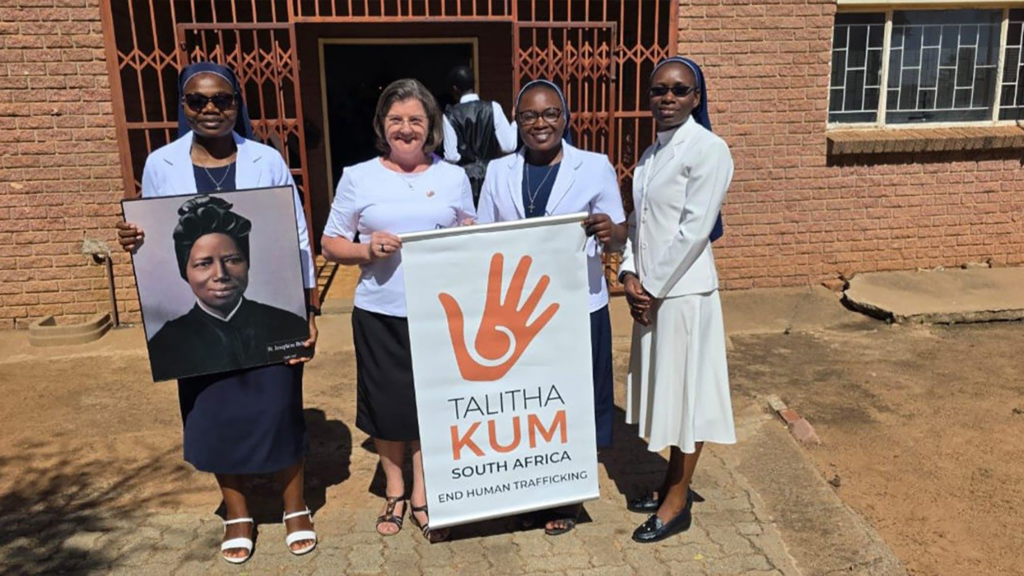
In 2025, Talitha Kum (which means “Little girl, arise” in Aramaic) reached 1.21 million people worldwide (an increase of nearly 30 percent compared to 2024). It carries out preventive activities, cares for victims, and helps with access to justice. It has international contacts, provides data and analysis, as well as testimonies of people involved in the fight against human trafficking.
Growing Global Network
In 2025, the Talitha Kum network expanded its global presence to 113 countries. New branches were established in Malawi, Botswana, Lesotho, and Eswatini. The mission involved 6,387 women religious from nearly 900 congregations, as well as men religious from nearly 100 congregations. This represents increases of 5.7 and 28 percent, respectively.
Prevention as the Largest Area of Intervention
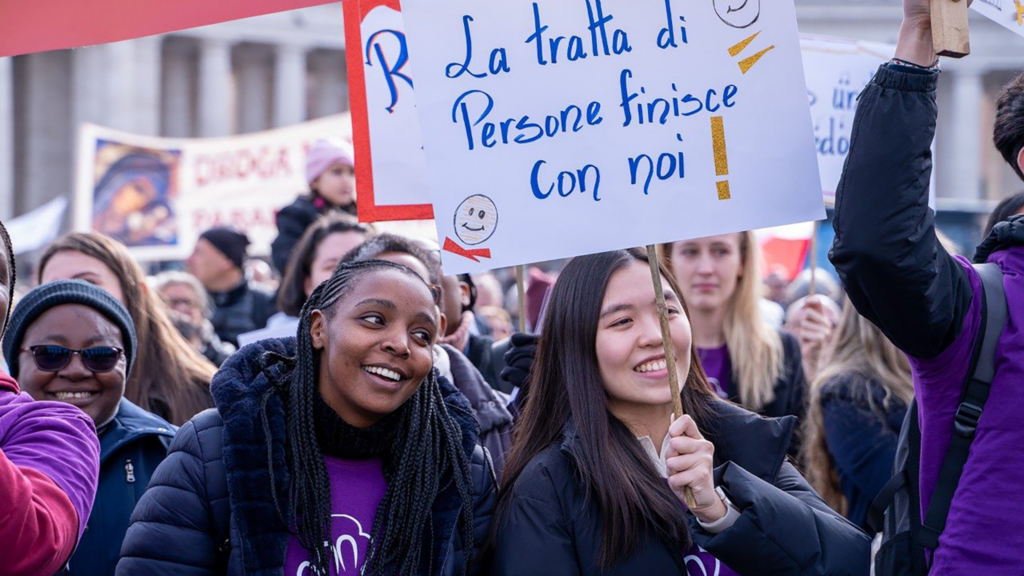
Through information campaigns conducted in schools, parishes, clinics, traditional and social media, street theater, and community events, the network reached over a million people, primarily girls and women. The organization and its partners provided vulnerable social groups with information and tools to help them recognize threats and avoid risks.
Support for Victims
Last year, Talitha Kum networks provided protection and care to 27,329 victims of human trafficking and exploitation, offering them safe shelters, medical and psychological support, legal aid, education, vocational training, and livelihood opportunities. Among them, 15,964 supported individuals were women and girls. Talitha Kum continued to prioritize victim-centered support, offering long-term accompaniment, holistic care, and lasting recovery.
Significant Progress in Access to Justice
Last year, the network provided support and enabled over 7,000 victims to contact the justice system. This is an increase of over 70 percent compared to 2024. Assistance included referrals to lawyers, accompaniment during investigations and court proceedings, support in claiming rights, and cooperation with local partners to facilitate victims’ safe return home and reintegration whenever possible. Talitha Kum considers access to justice to be a fundamental element of healing, protection, and prevention, as well as combating traffickers and criminal organizations.
Strengthening Partnerships and Advocacy
In 2025, the number of partnership and networking activities increased by 77.5%, reflecting the importance of cooperation between religious congregations, interfaith organizations, governments, civil society organizations, and international partners. Advocacy efforts aimed at combating the structural causes of human trafficking continued through political dialogue, media engagement, petitions, and cooperation with human rights organizations. These initiatives aim to strengthen the protection of vulnerable groups and encourage governments to take more decisive action against exploitation and human trafficking.
Human Trafficking Continues to Evolve
Commenting on emerging trends, Sr. Abby Avelino, international coordinator of Talitha Kum, emphasized that “human trafficking continues to evolve in increasingly complex ways. The rapid growth of organized cyber scams in Southeast Asia has become one of the most pressing and alarming forms of exploitation. Thousands of young people from Africa, Asia, and other regions have fallen victim to false employment promises, been smuggled abroad, and forced to commit cybercrimes on the internet. At the same time, wars and conflicts in the Middle East and in countries such as Burkina Faso, South Sudan, Nigeria, and the Democratic Republic of the Congo, along with forced displacements, climate crises, and rising inequalities, continue to endanger millions of people as criminal networks exploit fear, helplessness, and desperation.”
Statistics
The report shows that women and girls continue to make up the majority of victims (60%). About 45% of identified children are forced into slave labor. Most of the remaining ones are engaged in begging and petty crime. Regarding enslaved women, in some regions, the majority are forced into physical labor (42 percent). There are more of them than those forced into prostitution.
Rise in Crime
Human trafficking shows an upward trend. Trafficking of minors increased by 38%. At least 74% of identified traffickers operate within organized criminal groups. They recruit their victims using fake job offers, social media, dating apps, and then use coercion and exploitation.
Risk Factors
Institutional crises, economic inequalities, climate disasters, and ongoing armed conflicts deepen vulnerability, particularly in countries such as Burkina Faso, the Democratic Republic of the Congo, Ukraine, Lebanon, Myanmar, Palestine, South Sudan, and Venezuela. Mass displacement caused by war creates severe threats. Millions of people are fleeing violence and destruction after losing their homes, incomes, and protection. On migration routes, they may fall victim to criminals involved in sexual exploitation, forced labor, child recruitment, and cybercrime.