Karol Darmoros
Shared Responsibility
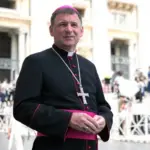
As reported by Vatican News, Bishop Marcelo Sánchez Sorondo, retired chancellor of the Pontifical Academy of Sciences, noted that Alzheimer’s today challenges not only doctors and science, but also “the entire healthcare system, care, family, and society.”
“We must return to a strong spirituality, knowing that in the sick person there is the face of Christ and that we are called to create a network of faith, hope, and love,” he told Vatican media.
Dignity of the Sick
Archbishop Antonio Staglianò, President of the Pontifical Academy of Theology, recalled that a person cannot be reduced to their cognitive functions, productivity, or ability to build relationships. “The sick person should not be a patient to be managed, but a person to be met,” he appealed.
He emphasized that the response to the disease requires care for relationships and opposition to a culture that measures the value of life by the criterion of efficiency.
New Stage of Research
Prof. Vincenzo Di Lazzaro, director of neurology at Rome’s Campus Bio-Medico, spoke about a change in approach to Alzheimer’s. “Scientific research has given us tools for early diagnosis, allowing us even to predict the development of the disease. New drugs are also emerging that can change its course,” he noted.
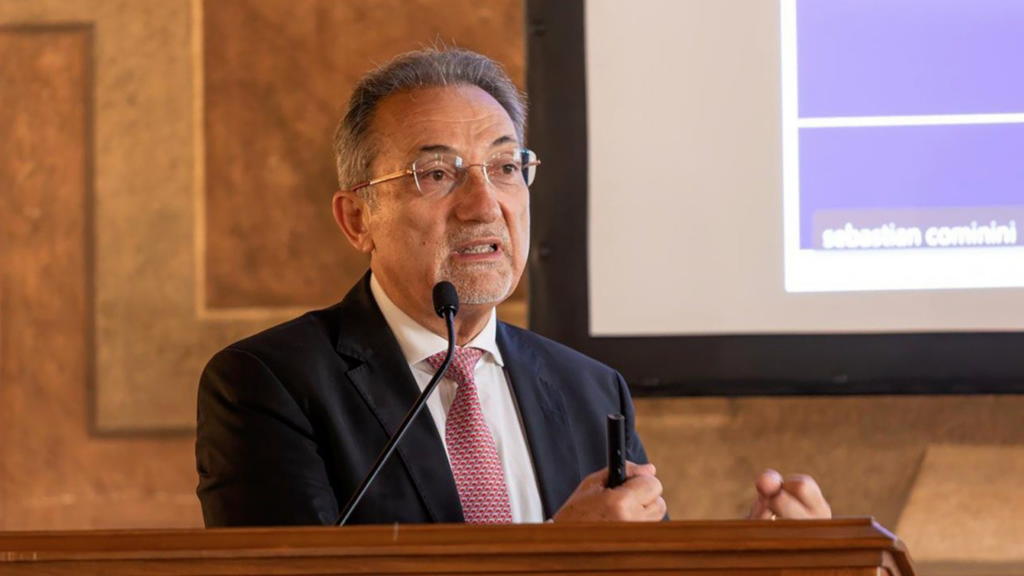
The neurologist also drew attention to prevention. “We can prevent every second case of Alzheimer’s disease,” he stated, pointing to, among other things, blood pressure and cholesterol control, regular physical activity, social life, quitting smoking, and treating depression, as well as vision and hearing disorders.