Lukrecja Jaszewska – Spokesperson for the Pilecki Institute
Organized on the 20th and 21st of April 2026, in cooperation with the Polish Ministry of Foreign Affairs, the event aimed to provide historical and academic foundations for the first-ever United Nations Convention on the Prevention and Punishment of Crimes Against Humanity. The deadline for submitting official observations to the UN falls on April 30th.
The Legacy of Witold Pilecki
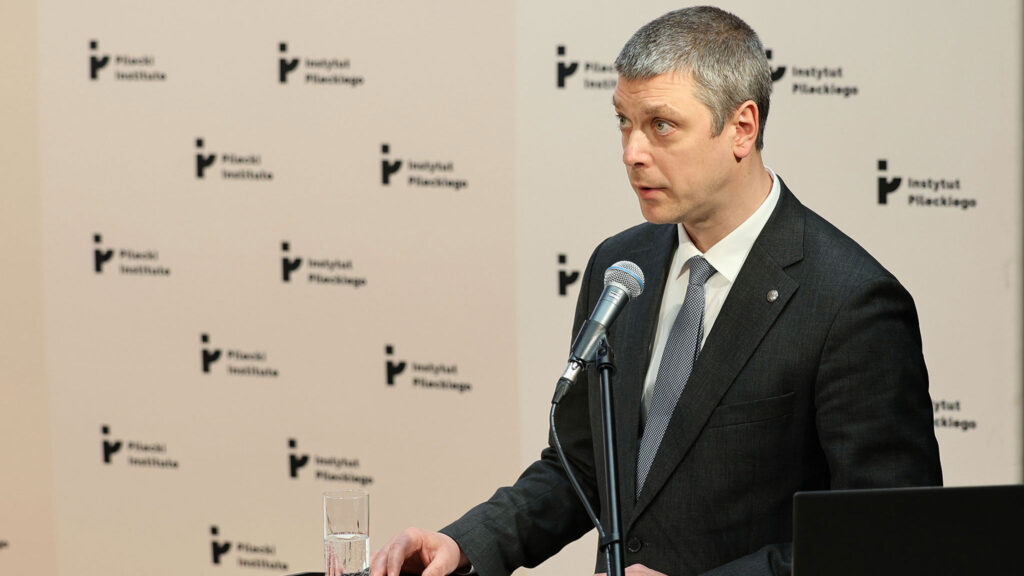
The conference’s location at the Pilecki Institute is deeply symbolic. Karol Madaj, Acting Director of the Pilecki Institute, highlighted how the life of the Institute’s patron informs its current diplomatic and academic mission.
“I firmly believe that it is the Pilecki Institute’s obligation to take an active role in the regional preparations for the adoption of the Convention on the Prevention and Punishment of Crimes Against Humanity, bearing in mind the life and legacy of our patron. I am extremely honored and delighted that the Institute has organized this conference in cooperation with the Polish Ministry of Foreign Affairs. Our cooperation is important for two reasons.
Firstly, academic discussion on the history of crimes against humanity can be translated into concrete steps towards preparing the best possible Convention on Crimes Against Humanity. In this way, we can support diplomats by providing relevant historical precedents concerning their prosecution. Secondly, by organizing this conference, we demonstrate that the history of totalitarian regimes, which lies at the heart of the Pilecki Institute’s work, has practical relevance for contemporary diplomacy,” Madaj remarked.
Addressing the “Normative Gap”
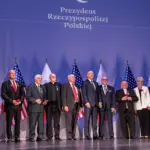
The proceedings on April 20 focused on the historical evolution of legal concepts. Following an opening ceremony, Prof. Guénaël Mettraux delivered a keynote lecture on the origins of the concept of crimes against humanity.
Wojciech Zajączkowski, Undersecretary of State at the Ministry of Foreign Affairs of the Republic of Poland, emphasized the urgency of the current diplomatic roadmap, noting that 2026 is a decisive year for the UN convention.
“While genocide and war crimes are clearly regulated under international law, crimes against humanity still lack a comprehensive, binding global convention. This absence has tangible consequences. The legal framework remains fragmented, relying on customary law, differing national systems, and international tribunals created on a case-by-case basis. As a result, justice is too often selective and incomplete. Cooperation between states is more difficult than it should be. And crucially, we still lack effective tools to prevent these crimes. A dedicated convention would provide clarity, consistency, and predictability. These are essential not only for accountability, but also for prevention,” Zajączkowski explained.
The importance of Warsaw’s conference
The first day’s discussions served as a bridge between historical analysis and modern treaty negotiations. Ambassador Franz Perrez, Director General of the Directorate of Public International Law of the Swiss Federal Department of Foreign Affairs, underscored the importance of the conference’s timing – just days before the April 30 deadline for Member States to submit official observations to the UN.
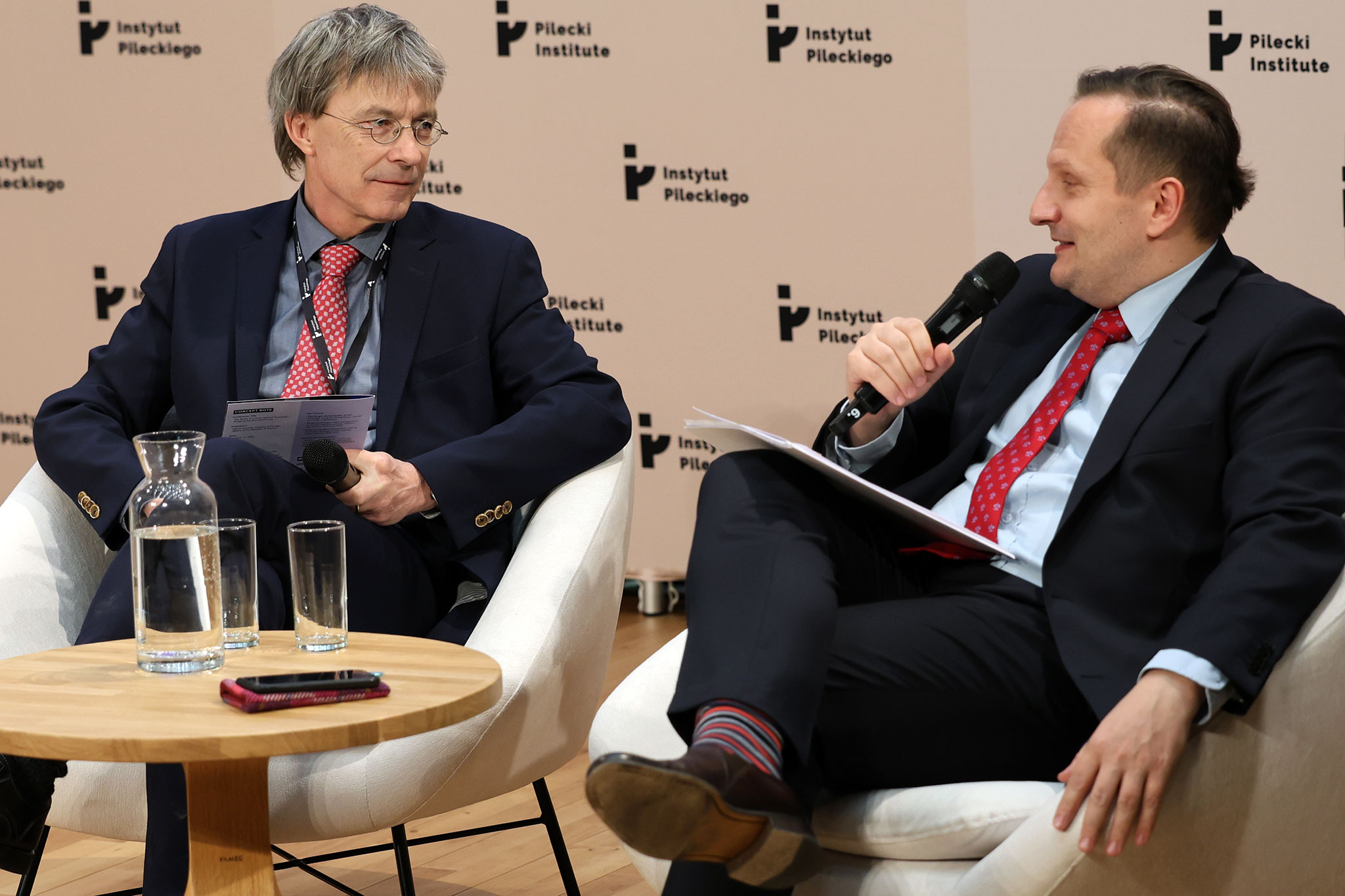
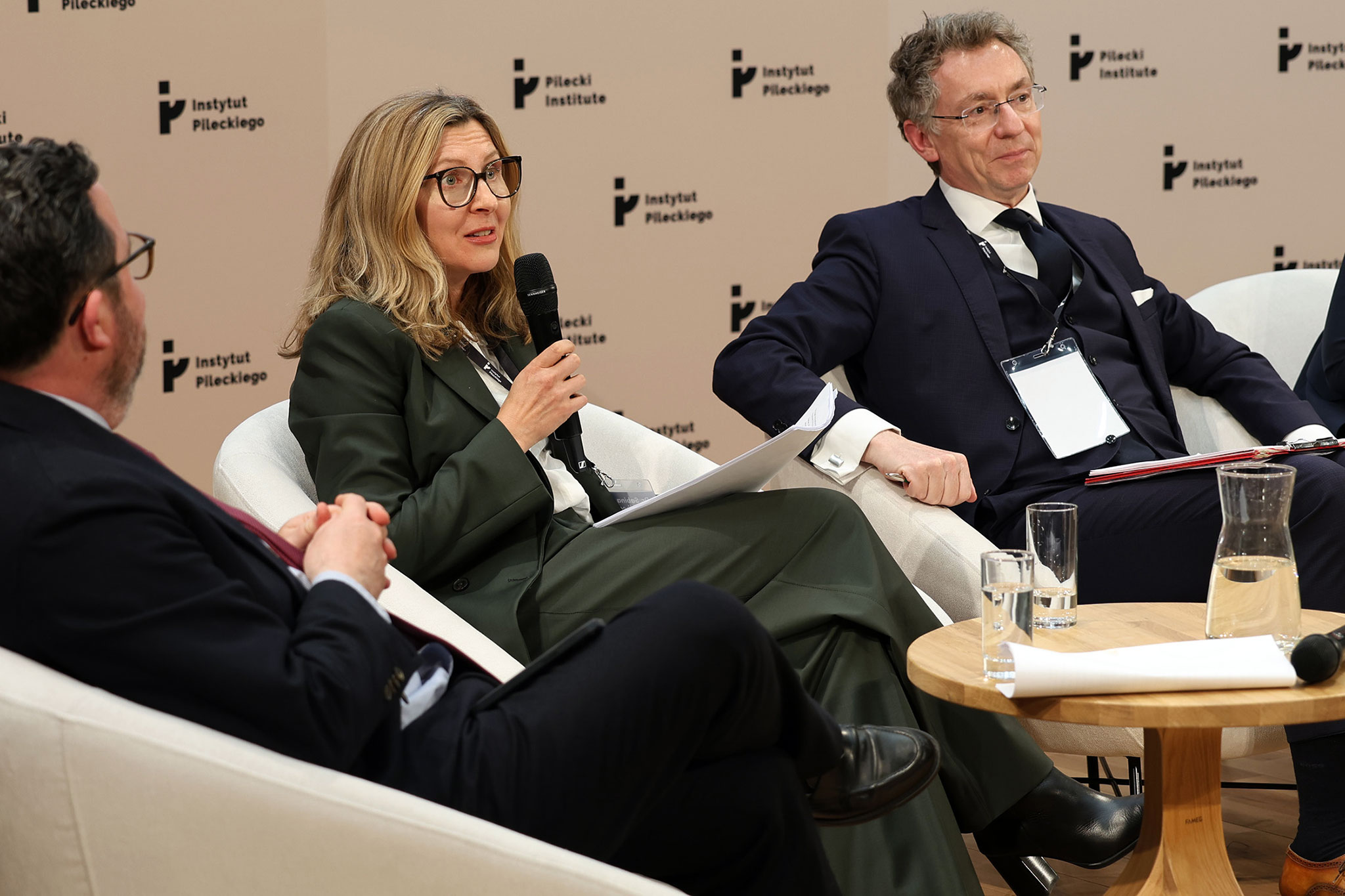
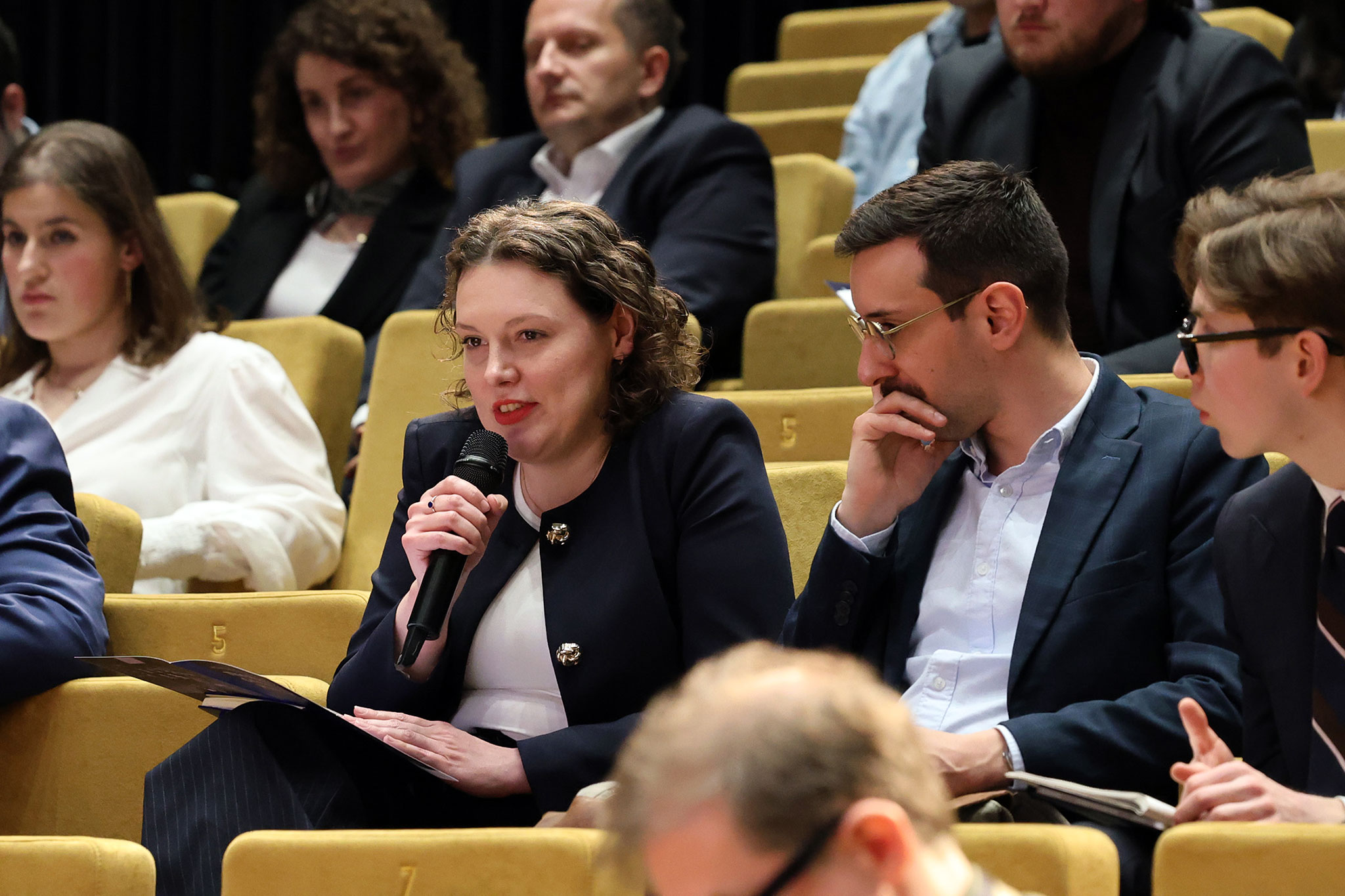
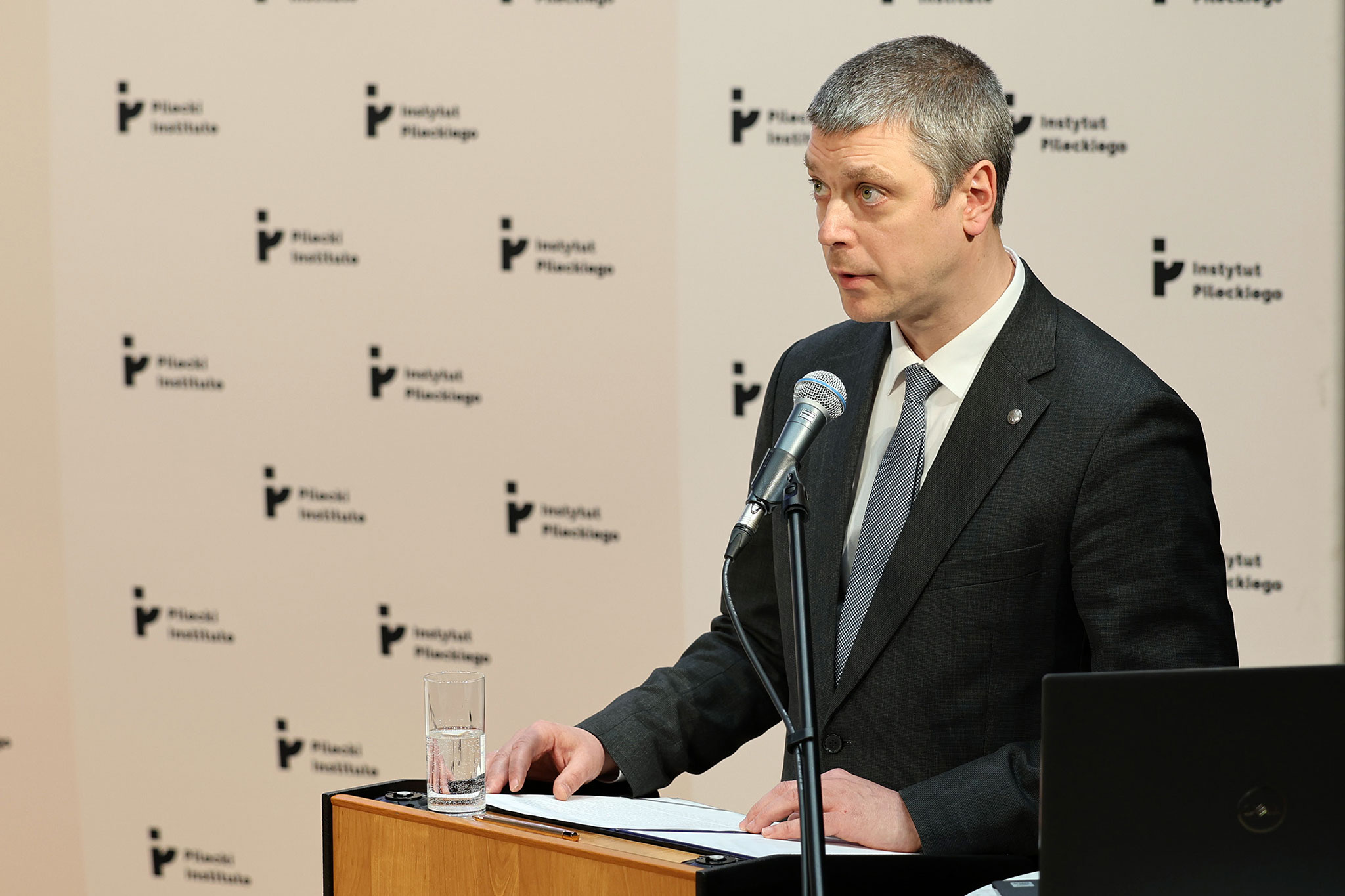
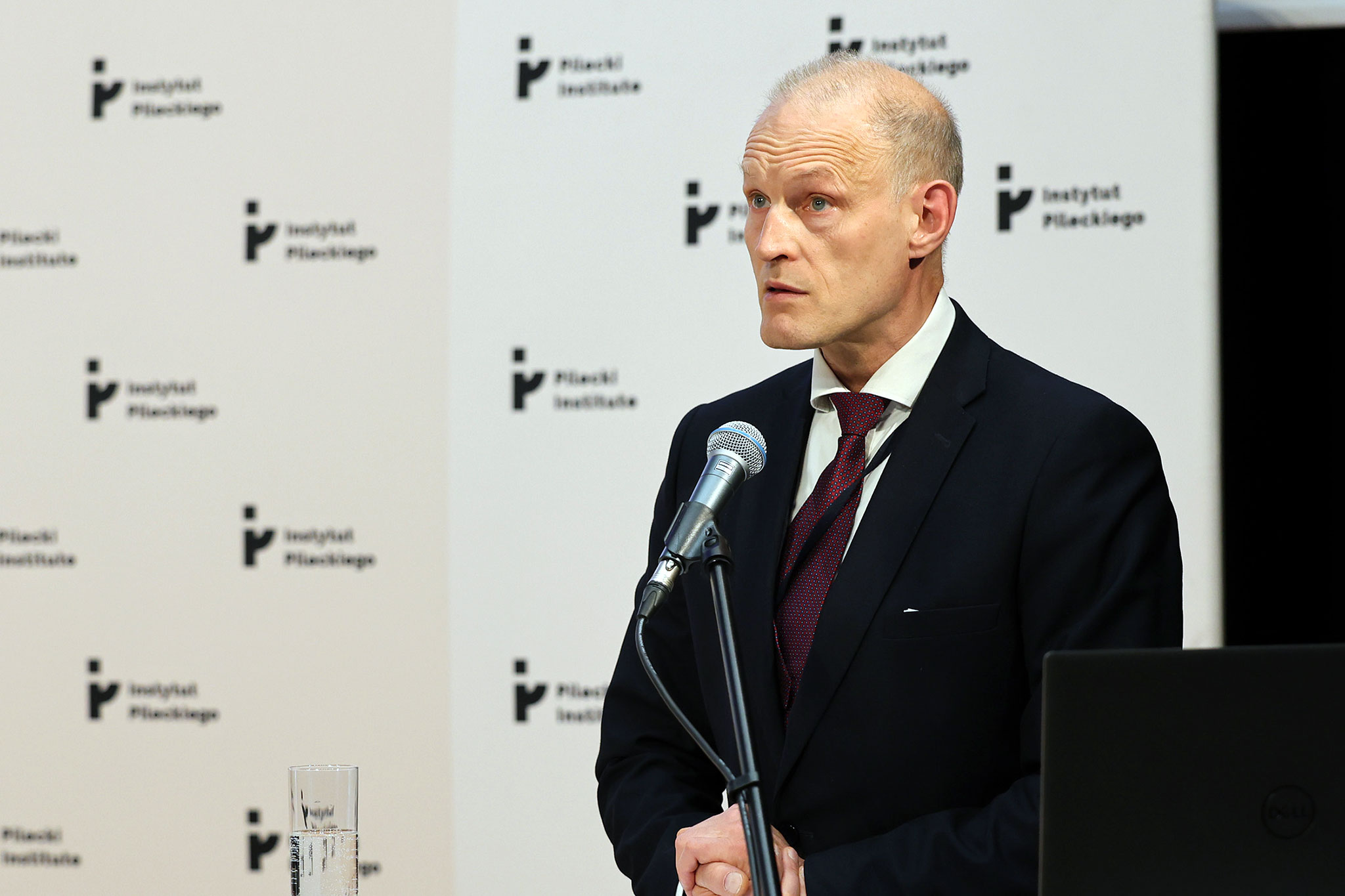
“I think both Poland and Switzerland really would like to have a convention that helps us to prevent that atrocity crime and also to ensure accountability for this crime. I think this conference comes at a good moment. It’s one or two weeks before we have to submit our proposals to amend the draft articles (…), which serve as the basis for negotiations. It comes at a good moment because the focus of that conference here is not to look at the details of how the future convention will look, but to understand the history of the crimes against humanity,” Ambassador Perez stated.
The second day of the conference was dedicated to evaluating the legal protection of vulnerable groups and the strategic requirements for the proposed international treaty. The morning schedule began with a panel on “Targeted groups,” focusing on victimization in historic trials, as well as children and women as specific targets of crimes against humanity. The second panel, “Different faces of the crime against humanity,” examined the legal and historical dimensions of slavery, forced labor, deportations, and persecutions, including a historical perspective on colonial Africa.
The afternoon sessions addressed the “Consequences of the crime against humanity,” specifically the reshaping of police trials and the crucial issue of reparations for victims. The event culminated in a high-level panel dedicated to establishing robust global standards. Titled “Towards the new Convention,” it featured Ambassador Franz Perrez and Paweł Wierdak, Legal Advisor to the Polish Ministry of Foreign Affairs. Discussing how to mitigate the risk of a weak treaty, Wierdak and Perez agreed that the threat of a vote can help build consensus.
“It doesn’t make sense to strive for consensus with someone who just doesn’t share the same objective (…) the only way to seriously be able to strive for consensus is by being clear: if you do not honestly try to find a solution, then we are going to vote” – said Franz Perrez.