Heschel Center News / Karol Darmoros
The Church and Judaism
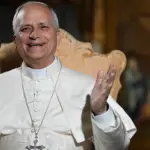
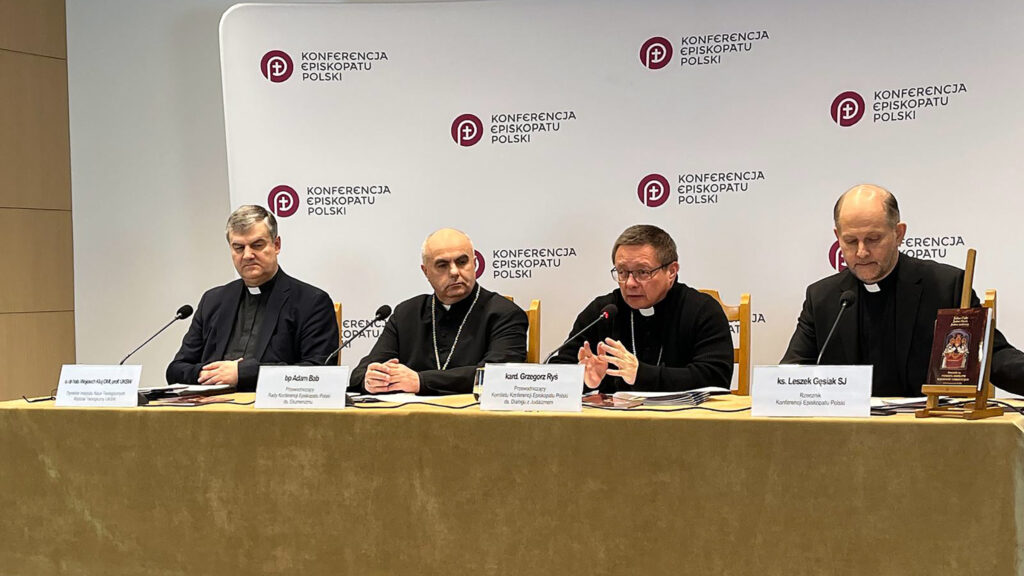
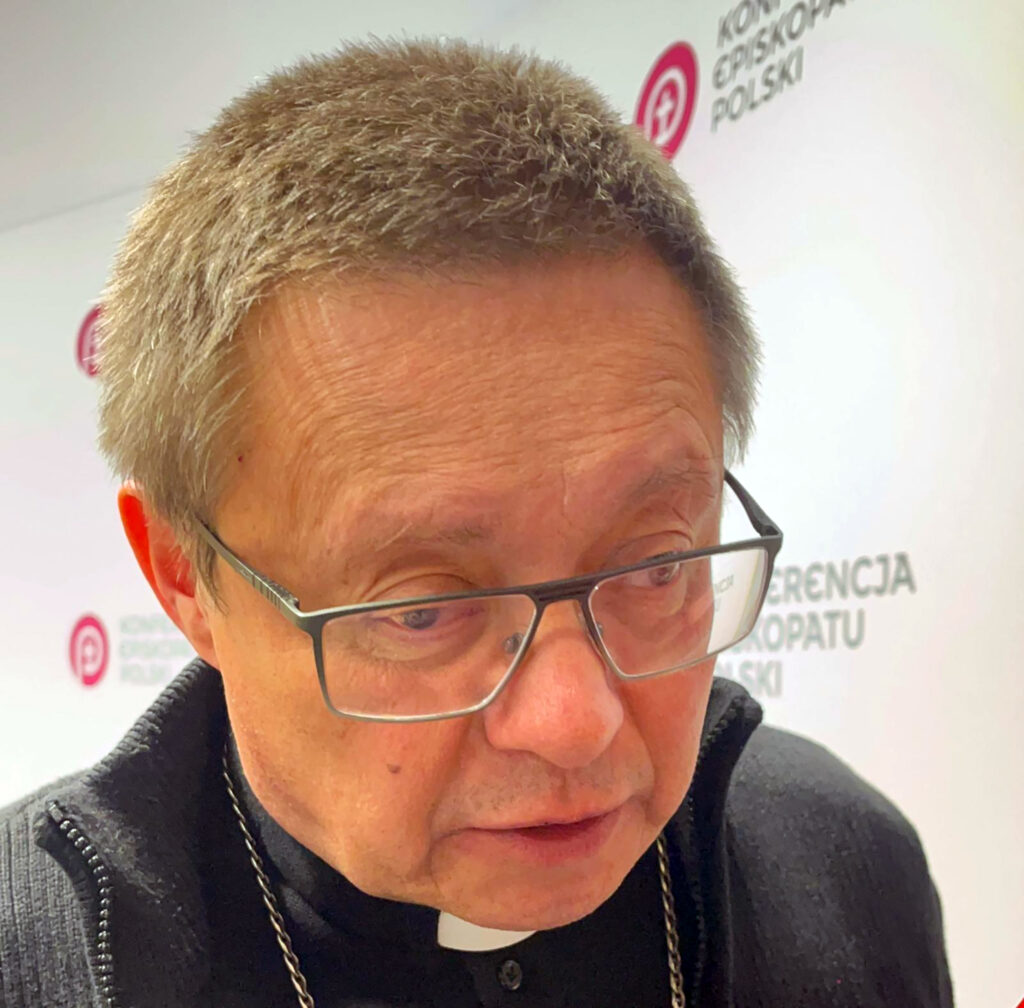
Cardinal Grzegorz Ryś, Metropolitan of Krakow and chairman of the Polish Bishops’ Conference Committee for Dialogue with Judaism, emphasized that the Day of Judaism is primarily addressed to Catholics. “It is for them to realize the deep relations that connect the Church with Judaism, Christians with Jews,” said the cardinal during a press conference at the seat of the Polish Bishops’ Conference. Referring to the Letter to the Romans, Cardinal Ryś reminded that “Judaism remains our root,” noting that this only makes sense “when the root is alive.”
Three moments of encounter
As Cardinal Ryś explained, each Day of Judaism has three constant elements. The first is the study-historical dimension, recalling the life and role of Jews in Polish history. This stage always includes the memory of the Holocaust and leads to common prayer, which will be led by the Chief Rabbi of Poland, Michael Schudrich, on the Jewish side. The second element is contemporary dialogue, and the third is prayer, most often in the form of a liturgy of the word, commented on by both Jewish and Christian sides.
Płock – a place of remembrance
The choice of Płock is related to the centuries-old presence of Jews, confirmed by documents as early as the first half of the 13th century. The celebrations will begin at the Museum of Mazovian Jews, located in the former small synagogue. Then, on the grounds of the abbey opposite the cathedral, a dialogue will take place, led by Sister Katarzyna Kowalska with the participation of Professor Jan Grosfeld and Rabbi Icchak Rapoport, dedicated to faith situated between tradition, memory, and hope.
Hope in the face of the Holocaust
The culmination of the day will be the liturgy of the word in the Płock cathedral. As Cardinal Ryś noted, the Book of Ruth shows “how the Lord God sees His people and how He makes them open to those whom we would like to see outside His borders.” A joint commentary on the Word of God will also be delivered by Rabbi Boaz Pash. Referring to the memory of the Holocaust, the cardinal reminded that “hope is born of truth,” warning that “since it happened, it can happen again.” The Metropolitan of Krakow also pointed to a moral obligation: “one must not be silent, one must not fail to see, and one must not fail to react. In the name of hope.”
Letter and anniversary
In the context of Christian-Jewish dialogue, Cardinal Ryś announced the preparation of a letter from the Polish Bishops’ Conference to the entire Church in Poland, dedicated to the mutual relations between Christians and Jews, which is to be read on the fifth Sunday of Lent. He also recalled the 40th anniversary of St. John Paul II’s visit to the Roman synagogue, announcing an initiative for bishops to visit synagogues wherever Jewish communities exist. This is intended to be a symbolic following in the footsteps of Pope John Paul II.
Dialogue and ecumenism
The Day of Judaism traditionally precedes the Week of Prayer for Christian Unity, which begins on January 18. It remains an important sign of the Church’s path in Poland towards a deeper reception of the universal Church’s teaching on Christian-Jewish relations. After the Week of Prayer for Christian Unity, the Day of Islam in the Catholic Church will also be celebrated in Poland, with central ceremonies taking place on January 26 in Poznań.