Fr. Paweł Rytel-Andrianik, Fr. Łukasz Bankowski
Discussion Panel in Rome
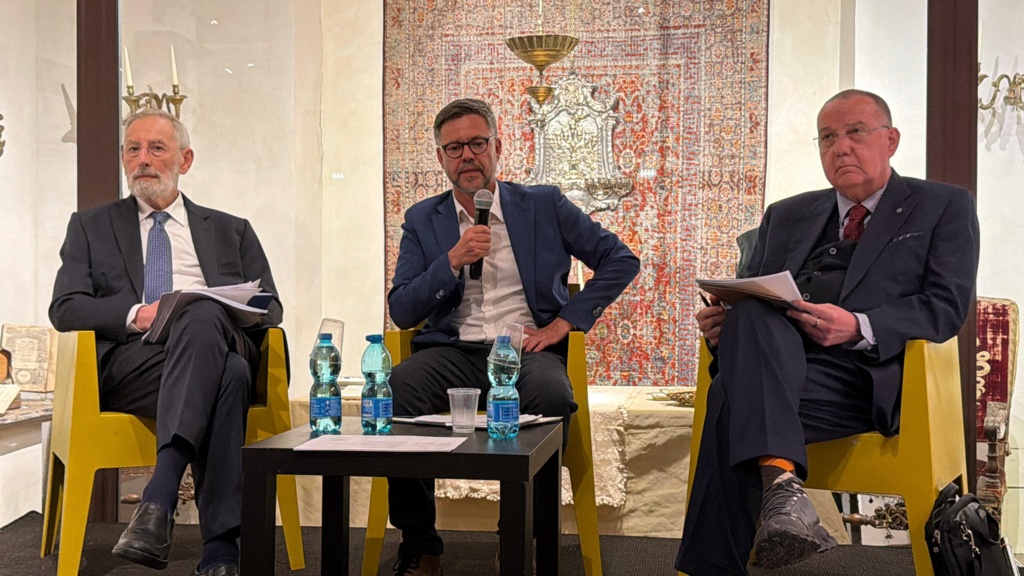
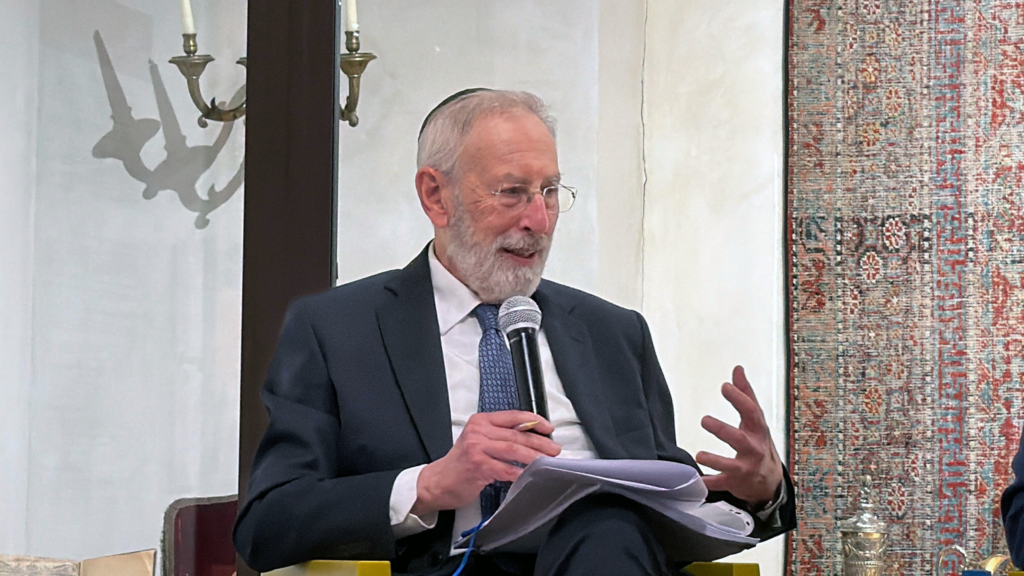
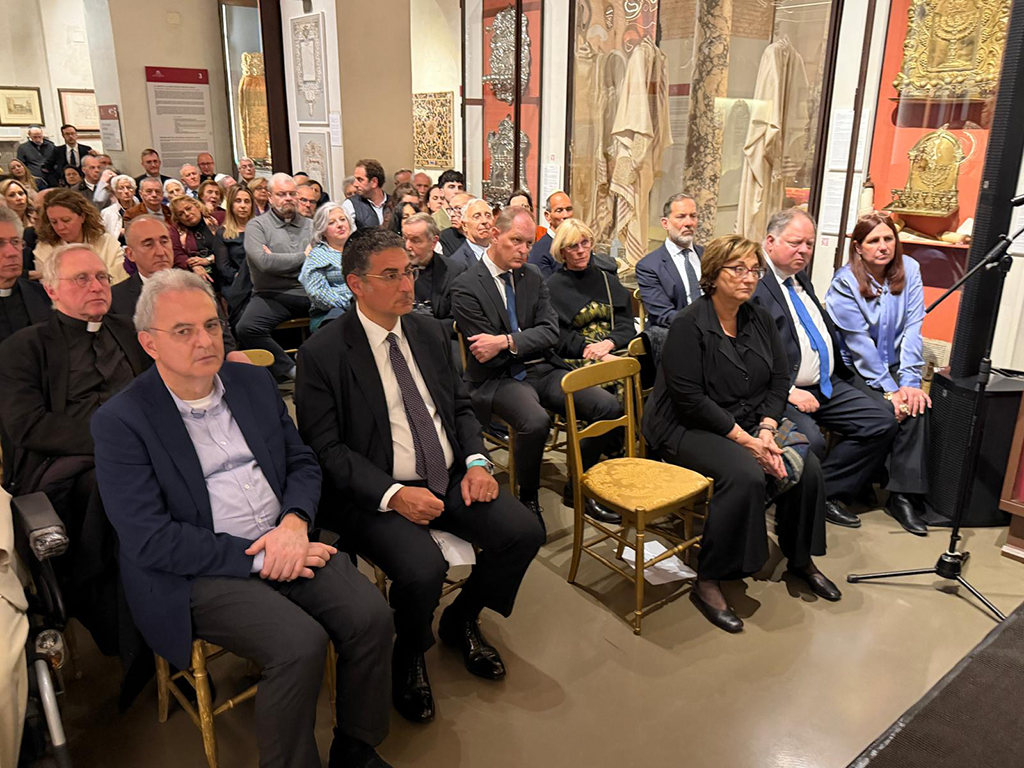
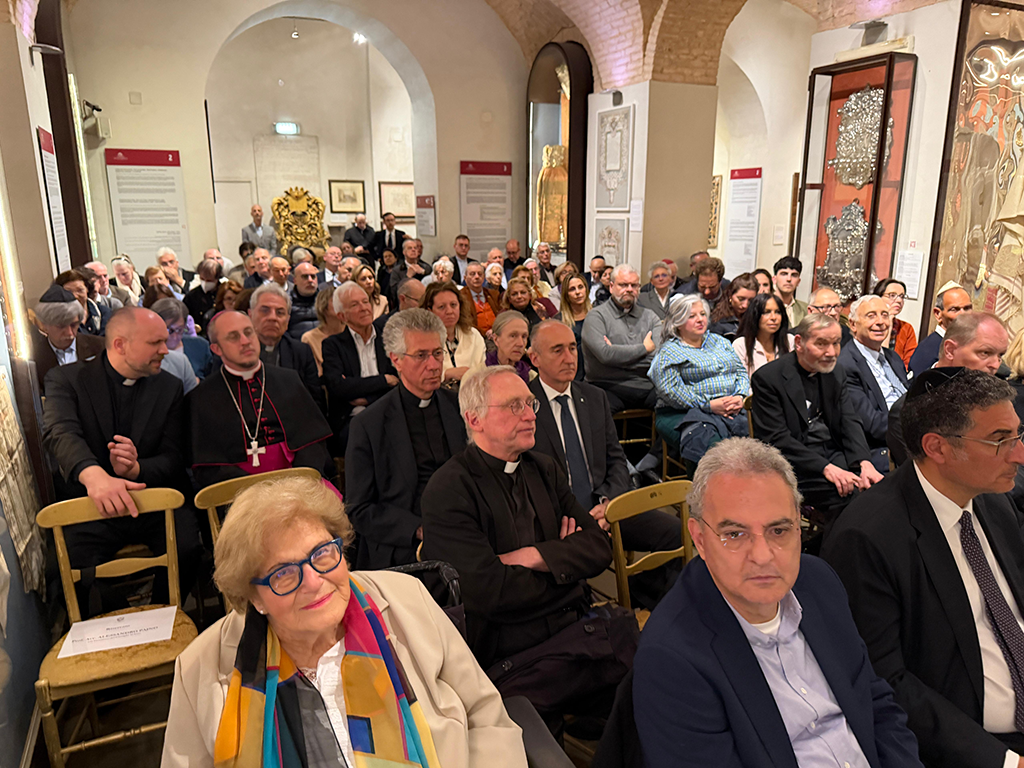
Commemorating this anniversary on April 12, 2026, the Jewish Community of Rome organized a discussion panel titled ‘That Day in the Synagogue.’ The meeting was attended by representatives from the world of religion and academia: Victor Fadlun, president of the Union of Jewish Communities in Rome, Riccardo Di Segni, Chief Rabbi of Rome, and Alberto Melloni, a historian from the University of Modena and Reggio Emilia.
As Marco Guerra emphasized at the beginning of the meeting, the significance of that visit extended far beyond Rome: ‘Every wall in this city speaks to the whole world.’ The meeting between the Pope and the Chief Rabbi was not merely a local event but had a universal dimension. It was not just about the meeting of the Bishop of Rome with the Chief Rabbi of Rome, but about the first visit of a Pope to a synagogue in history.
A Precisely Prepared Breakthrough
Professor Melloni shed light on the background of the visit, highlighting its exceptional importance and careful preparation: ‘Undoubtedly, it was a very important event.’ He emphasized that both the Jewish and Catholic sides prepared every detail with great attention. Cardinal Jorge Mejía, responsible for drafting the papal speech, played a special role.
As the historian noted, during the editing process, some strong formulations were removed, but their meaning remained present, especially in the words condemning ‘antisemitism by anyone and at any time.’ This sentence, rooted in the teachings of the Second Vatican Council and the declaration Nostra aetate, became one of the key elements of the papal message.
The Path That Continues
Summarizing the meeting, Rabbi Riccardo Di Segni noted that Jewish-Christian relations remain a demanding process: ‘The relationship between the Jewish and Christian worlds is not an easy path, a difficult path, full of obstacles: one step forward, one step back.’
At the same time, he emphasized the lasting significance of John Paul II’s visit: ‘It teaches that communication is possible, that dialogue is possible, that we have many things in common.’ In the current context, as he pointed out, this dialogue requires special care, because ‘this is a particularly delicate moment, where relations are contaminated by politics,’ which demands ‘patience and goodwill.’
A Legacy That Obliges
The 1986 visit was not merely a symbolic gesture. It became a turning point that opened a new stage in relations between Judaism and Christianity. Forty years later, it remains not only an important memory but also a task – a call to build dialogue leading to peace and mutual understanding.