
Lorenzo Frillici – Vatican
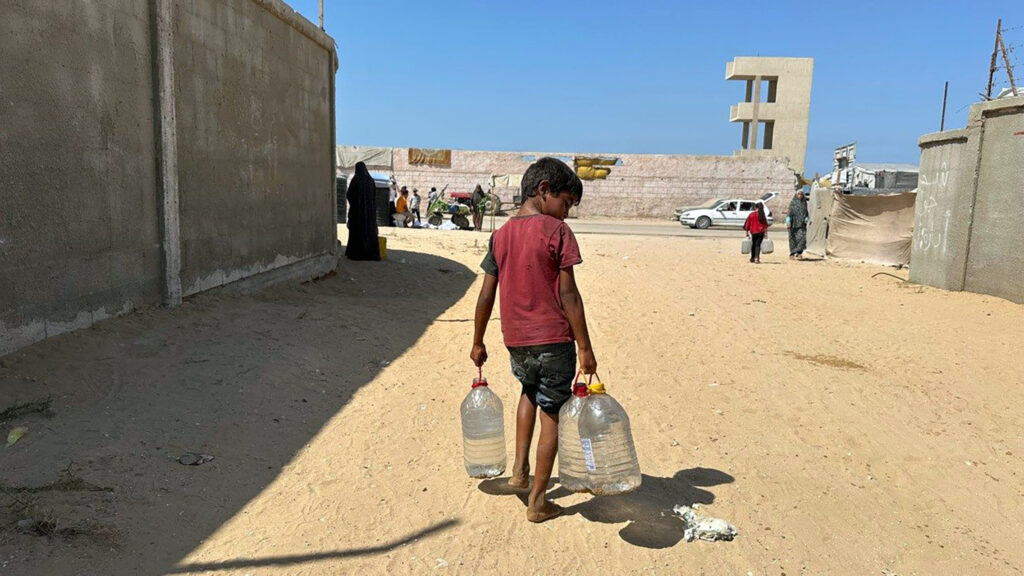
The prolonged drought between October and December 2025 has greatly exacerbated difficulties in accessing water across Somalia. Despite abundant rainfall in the previous two years, the Somali government was forced to declare a nationwide water emergency. This situation had serious consequences for the agricultural sector, causing a devastating food crisis.
A Crisis with Deep Roots
Pastoralists, farmers, and displaced persons are most affected by this situation, mainly in the central-southern regions of the country, where the economy relies on agriculture and livestock for sustenance. The effects of the prolonged drought were presented at the end of February by the WFP (UN World Food Programme): “Somalia is a victim of a very complex food crisis,” stated Ross Smith, Director of Emergency Preparedness and Response at WFP.
The situation in Somalia is worsened by many other factors, such as jihadist terrorism and political instability. “Conflict and insecurity continue,” the expert emphasized, “thousands of people have been forced to leave their homes in search of shelter, food, and basic services.”
Violence and insecurity primarily affect the center and south of the country, forcing entire communities to seek refuge in internally displaced persons’ camps, where access to livelihoods is very difficult and extremely costly. Prices of imported food have risen sharply.
IPC Estimates
According to data published by the IPC (Integrated Food Security Phase Classification – an international system for classifying the level of hunger and food crisis threat), in the first three months of 2026, the number of people affected by food insecurity in Somalia is 6.5 million, of which 1.8 million are children under five years of age – a number that has doubled compared to 2025.
Almost half a million children are severely malnourished. According to IPC data, at least 4 million people in Somalia are currently at risk of death due to hunger.
Uncertain future – lack of response and dwindling aid
Despite the severity of the situation, international aid is insufficient. “WFP food assistance in Somalia will end in a few weeks,” Ross Smith emphasizes, “unless new funding is urgently provided.”
In its absence, the consequences would be catastrophic and would confirm the international community’s indifference to one of the world’s most serious humanitarian tragedies.
Somalia experienced a similar situation in 2022, when famine was narrowly averted thanks to massive international support.
“The world,” Smith adds, “cannot ignore the millions of women, men, and children suffering in Somalia.”