Not because of injury, not because of logistics — because of principles. Russia returned under its own flag for the first time since 2014, and Poland decided it wasn’t going to stand by and applaud.
Six Russian Athletes, Seven Boycotting Countries
In September 2025, the International Paralympic Committee made a decision that smelled like trouble from the start: it allowed six Russian and four Belarusian athletes to compete under their own flags, with their own anthems, as if nothing had happened. As if there were no Bucha, Irpin, rockets hitting shopping centers and hospitals, as if Russia had not been conducting a full-scale invasion of Ukraine for four years.
The reaction was immediate, though — painfully — limited. Seven countries officially boycotted the opening ceremony for political reasons: Poland, Ukraine, Czech Republic, Estonia, Finland, Latvia, and Lithuania. Great Britain and France refused to send government representatives, but did not withdraw their athletes from the parade — explaining it as a “priority for sporting results,” which sounds elegant but in practice means: we protest, but not too much.
Poland did not seek compromise. The Ministry of Sport and Tourism announced briefly and clearly: as long as Russian aggression against Ukraine continues, the participation of Russian and Belarusian athletes under their national flags is absolutely unacceptable. Polish Paralympians competed in the events — but did not participate in the opening ceremony.
Russia at the Paralympics, Russia in Iran — The Same Flags, The Same Lies
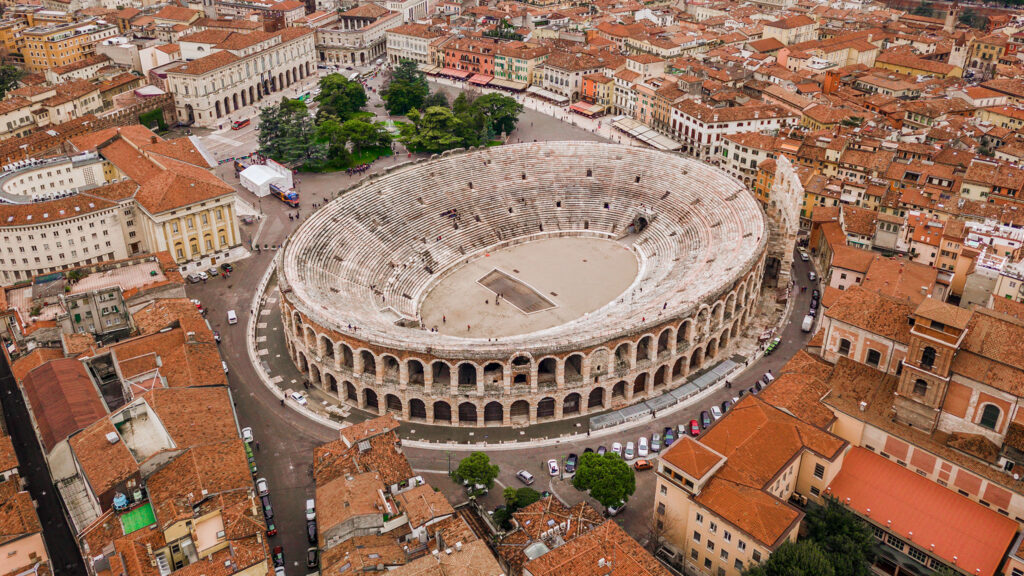
What makes this boycott particularly telling is the context in which it took place. In the same week that the Russian flag proudly waved at the Arena di Verona, American media — citing anonymous US administration officials — reported that Russia had been providing Iran with intelligence on the positions of American ships and aircraft. If these reports are confirmed, it would mean that Moscow is not only waging war in Ukraine — it is actively helping Iran fight Poland’s ally, the United States.
For Poles, this convergence of events is exceptionally clear. Russia has been threatening Poland’s security for years, is waging war with our neighbor, and now supports a regime that our allies are fighting. And the International Paralympic Committee says: “We respect the democratic process of our members” and invites Russian athletes under a flag that many Ukrainians — including Paralympians, some of whom lost limbs to Russian mines — associate with terror and death.
Iranian Paralympian Also Did Not Arrive
On the sidelines of the ceremony, another quiet story unfolded. Iran had one athlete at the Paralympics — cross-country skier Aboulfazl Khatibi. He did not make it to Verona. He could not safely leave a country engulfed by American-Israeli bombings. The Iranian flag did not appear in the parade — not because of a boycott, but because the war literally prevented one man from reaching the competition he had prepared for for years.
Russia came under its flag, even though it is committing aggression. Iran did not come, because it is itself under attack. The Paralympics, which were supposed to celebrate the human spirit and overcoming obstacles, became a mirror of a world where obstacles are posed not by the body, but by politics.
Why This Is Important for the Polish Diaspora in America
Poles in the USA might shrug: Paralympics, boycott of a ceremony — what does that have to do with my life on Long Island or in Chicago? The answer is simpler than it seems.
Poland is one of the few countries in Europe that consistently and without hesitation stands with Ukraine, with principles, and with alliances — even when it’s inconvenient. It boycotted the opening ceremony of the Paralympics, even though its athletes compete in the events. Its Minister of Defense flew to Washington for the Medal of Honor ceremony for an American soldier who died saving a Pole. Its soldiers are stationed in Iraq. Its government monitors the safety of Poles in the Middle East.
For 10 million Poles in America, this is a confirmation of something they have felt for generations: Poland is not a country that hides. Poland is a country that stands — even when only six others stand beside it.
IPC Head: “We Offer a Second Chance”
The President of the International Paralympic Committee, Andrew Parsons, defended the decision to allow Russians in a way that could be amusing if it weren’t tragic. When asked about Russian soldiers who, after serving on the front in Ukraine, are now competing as Paralympians, he replied: “The Paralympic movement offers a second chance.” He did not specify whether Ukrainians who lost limbs to Russian rockets also consider this a matter of “a second chance.”
Parsons added that the IPC “respects the decision” of the boycotting countries and that it “monitors the situation” in the Middle East. Sport is meant to unite. Sport is meant to inspire. And when it can do neither, it should at least be quiet and not interfere. In Verona on Friday evening, even that failed.
Voice of the Polish Diaspora in the USA — poland.us. More about Poland, the Polish diaspora, and the world — daily at poland.us.