Joseph Tulloch – Vatican
Iraqi Kurdistan is in the midst of a conflict between the United States, Israel, and Iran, even though it is not directly involved. However, it is a target of attacks because the interests of both sides intersect on its territory.
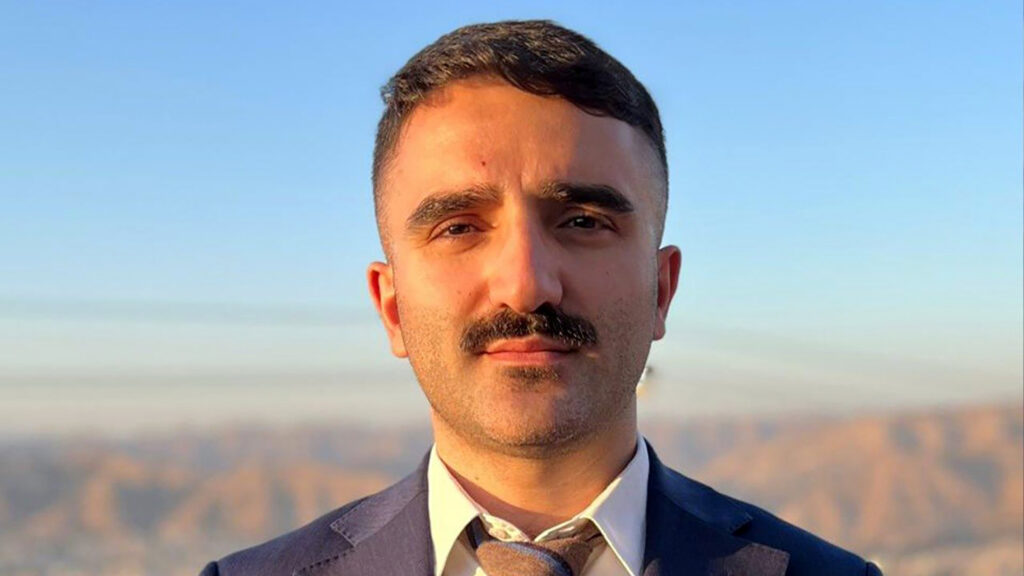
Dilan Adamat, a member of the Aramaic-speaking Christian community, speaks with Vatican media about the conflict and bombings he experienced while in Ankawa, the Christian district of Erbil, where he was born. Although he was raised and grew up in France, he decided to return to his country to establish the non-profit organization The Return, which supports Iraqi Christians from the diaspora who wish to return to their ancestral lands.
Fears of Iraqi Christians
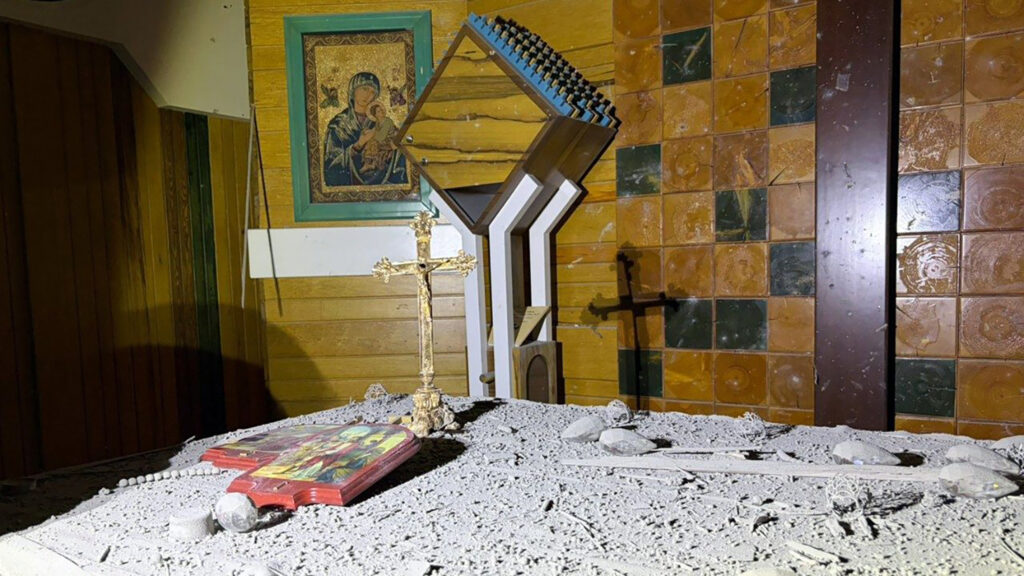
Just a few days ago, Iranian forces launched an operation against Kurdish groups in the semi-autonomous region of Iraqi Kurdistan. On Wednesday evening, missiles hit buildings belonging to the Chaldean Church in Erbil. The local archdiocese reported that it was most likely a drone attack, which fortunately caused no casualties.
As Adamat explains, unlike previous conflicts, such as the fight against ISIS, today there is no “clear front line or place to take shelter.” Events are “random,” and residents are afraid because “rockets can fall anywhere, especially here in Ankawa, which is currently the largest Christian district in Iraq, and probably one of the largest in the entire Middle East. It is located just a few hundred meters from the American military base at Erbil International Airport.”
Drawn into “not their war”
Residents, the Iraqi activist continues, are accustomed to crises and wars. The worst situations occurred during the 2003 conflict, the 1991 war, and the civil war (2006–2008). Therefore, “they know how to adapt, how to live without electricity when it’s lacking. Life goes on. Residents, although certainly not happy about what is happening, are calmer than one might expect. You see people going to work, to supermarkets, to restaurants. We remain in anticipation of the next steps, of what will happen in the coming days or weeks. This is not our war, but we are nevertheless drawn into it; we are targets for both sides because the interests of both sides intertwine on our territory,” he reports.
Iraqi Kurdistan, precisely because of its ethnic and religious diversity, is at the center of the conflict. Adamat also explains this by the presence of “some Iranian Kurdish groups who are here because they cannot operate from Iranian territory. Their headquarters are just an hour’s drive from Erbil: they have offices, camps, and families, and they were recently attacked by Iran with missiles. We are, in a way, drawn into this,” he adds.
Christians have lost 90% of their population
Adamat’s greatest fear, like that of the local community, is that Christians “will start to give up.” “None of these wars—neither the Iran-Iraq war, nor the Kuwait war, nor the 2003 war, nor the fight against ISIS—was our war. All are motivated by issues that have nothing to do with Iraqi Christians. And yet, in the last 25 years, we have lost 90% of our population. Those who remain here no longer have much hope,” he says.
For him, who has lived in Iraq for seven years, it is clear that Christians today live in resignation and anticipation of the next conflict that will affect them. “My greatest fear,” he concludes, “is that we will start to lose hope. In fact, it is already happening. The consequences will be terrible, because we will lose one of the oldest Christian communities in the world, a community that still speaks Aramaic. Now there are only 130,000 of us left in the country out of 46 million inhabitants. This conflict will only increase emigration and the risk of the Iraqi Christian community disappearing.”