He, the Son of God, as the sinless Jesus, in Hebrew Yeshua Hamashiach, made a wonderful and perfect sacrifice that repaired the bond between people and God, broken by sin.
Voluntary Death
As we know, Jesus was not forced into this sacrifice. Through his death, he fulfilled the Father’s will concerning people fallen from sin. Jesus’ death is, of course, the price that frees humanity from sin and eternal death in the hellish lake of fire. To lay down his life as a ransom for people, Jesus himself entered Jerusalem, being welcomed by the local inhabitants with palm branches. Let us therefore focus on the most important objects of this city, thoroughly connected with the person of the Son of Man.
Mount Zion
Mount Zion is the southwestern hill of the city of Jerusalem. It was here that King David conquered the fortress of the Jebusites and named this place the City of David.
David brought the Ark of the Covenant here and blessed this place. When David’s son, King Solomon, moved the Ark of the Covenant to the Temple located near Mount Moriah, the name Zion also referred to the aforementioned Temple.
A Thousand Years Later
A thousand years after the Ark of the Covenant was moved to the Temple, another king of Israel, Herod, built a palace on the western hill of the city. From then on, this city became the political center of Israel.
Walls of the Citadel
The Israeli Citadel, commonly known as the Tower of David, was built one hundred years after the death of King David. It has three towers, whose names come from the names of people close to King Herod: Phasael (his brother), Hippicus (his friend), and Mariamne (his wife). The house located on the southwestern edge of the city is the place where the Lord Jesus and his apostles ate the Last Supper. According to various historical sources, the tomb of King David is located in this house.
Hinnom Valley
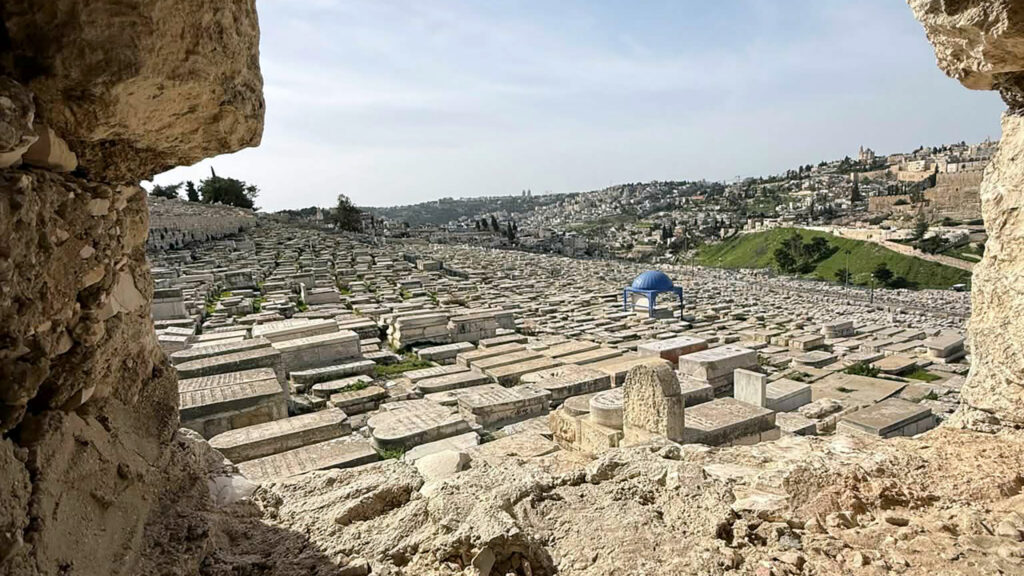
The Hinnom Valley is a gloomy place – a cemetery. It is a deep and very narrow gorge, located outside the city walls. The southern hill is called the Mount of Evil Counsel, and it is the place where the pagan wives of King Solomon praised their gods.
Western Wall
This is, of course, the remains of the Herodian walls surrounding the temple courtyard from the west. After the temple was destroyed by the Romans, it remains the holiest place for Jews to this day.
Al-Aqsa Mosque
It was built between 710-715, on the site of Solomon’s former palace.
Dome of the Rock
Mistakenly called the Mosque of Omar. It was built right next to the holy rock on which Abraham offered his son Isaac.
Hezekiah’s Tunnel
This is, of course, a tunnel cut under the Ophel hill, 600 meters long. It brought water from the Gihon spring all the way to the Pool of Siloam.