Most often three rooms
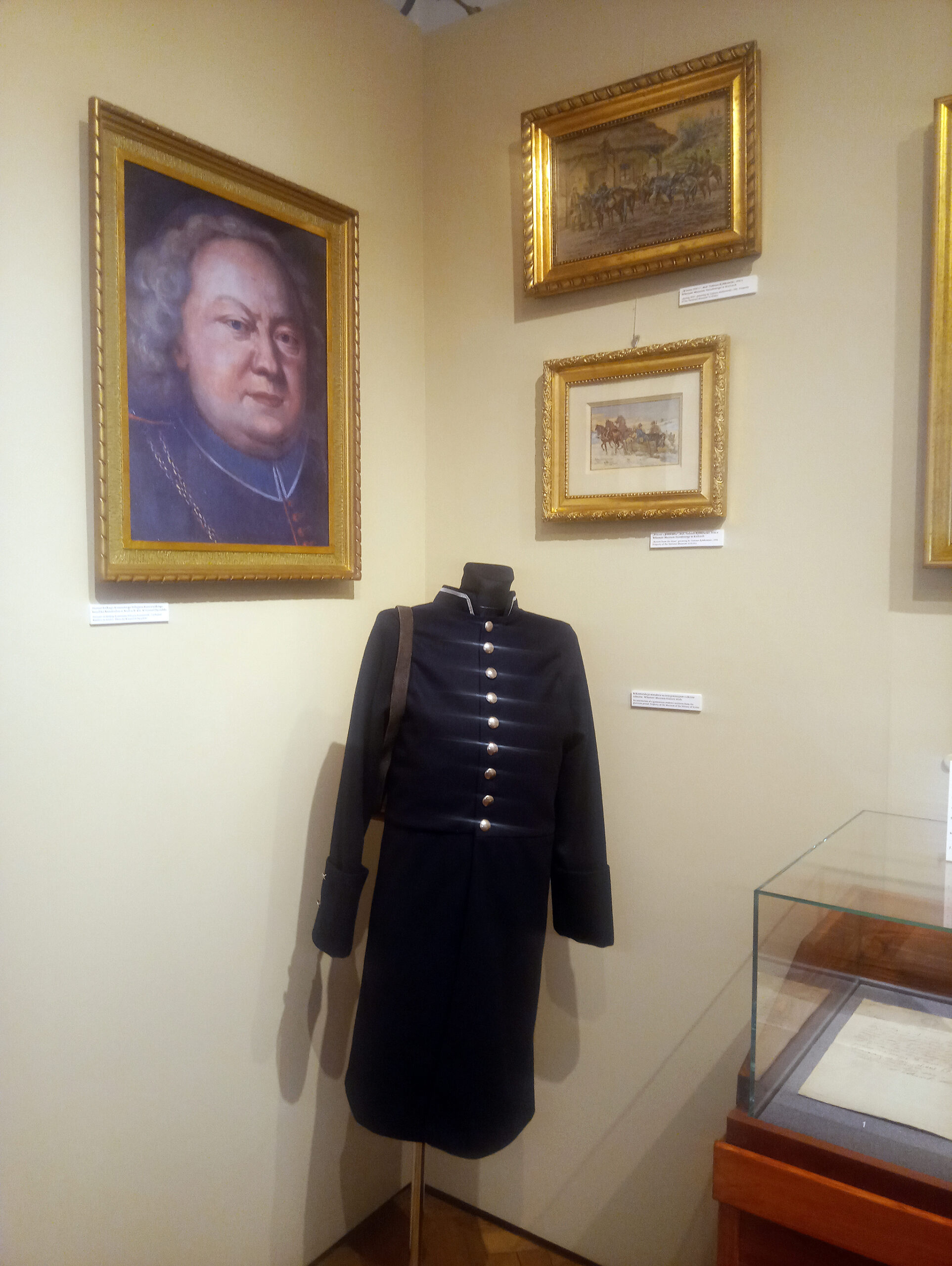
Nineteenth-century apartments most often consisted of three rooms: a dining room combined with a kitchen, sometimes also connected to a servant’s room, a bedroom, and the master’s study. In the homes of wealthier people, there was also a room for the lady of the house and rooms for children. The interiors of such an apartment, of course, had to harmoniously blend compositionally. The furniture played a crucial role, as did the contemporary glass and fabric decorations.
Careful apartment furnishing
In the interwar period, interiors were furnished with extreme care. Sometimes furniture and specific accessories were chosen over years, so that they could serve several generations. Furniture finishes often featured exotic and rare types of wood, such as ebony, rosewood, or mahogany. Decorative accents often included geometric inlays and marquetry. Surface veneers were frequently combined with black lacquer, as well as small elements of marblite. Chromed metal, often used in seating, was frequently paired with very elegant leather.
Fancy mirrors
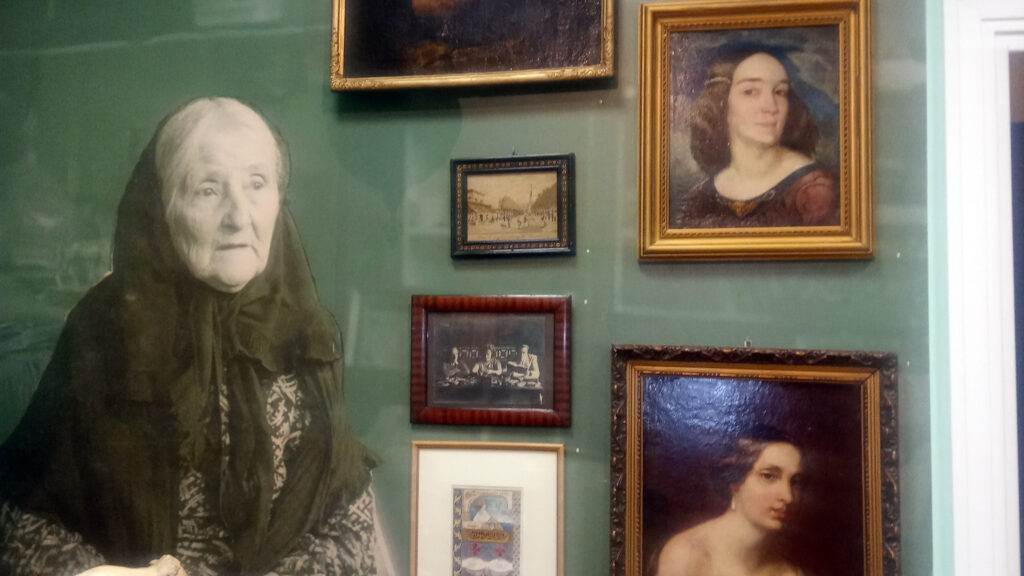
The interiors of old apartments were also decorated with fancy mirrors in the shape of an ellipse or rhombus, and above all, with portraits or photographs of esteemed ancestors. Beautiful, often crystal or porcelain vases, geometric platters, or elegant fabrics decorating the walls were also common. The art of the Second Polish Republic was primarily indigenous in character and often drew certain folk inspirations. For example, the interior design of a Highlander’s house, not necessarily a Highlander’s hut, was introduced by Stanisław Witkiewicz at one time. At that time, motifs of triangles, crystal structures, painted squares, and undefined zigzags also predominated.
Cubism influenced
The style of the late 19th century was primarily influenced by the movement commonly known as Cubism. The use of such trinkets was therefore a sign of high social status and refined taste. It was also, as one might easily guess, a kind of capital investment when there were many such trinkets in a tastefully furnished apartment. Ceramics, plated ware, and all kinds of lamps were an indicator not only of their owner’s taste but also of the wealth of their wallet.
Fireplace in the house
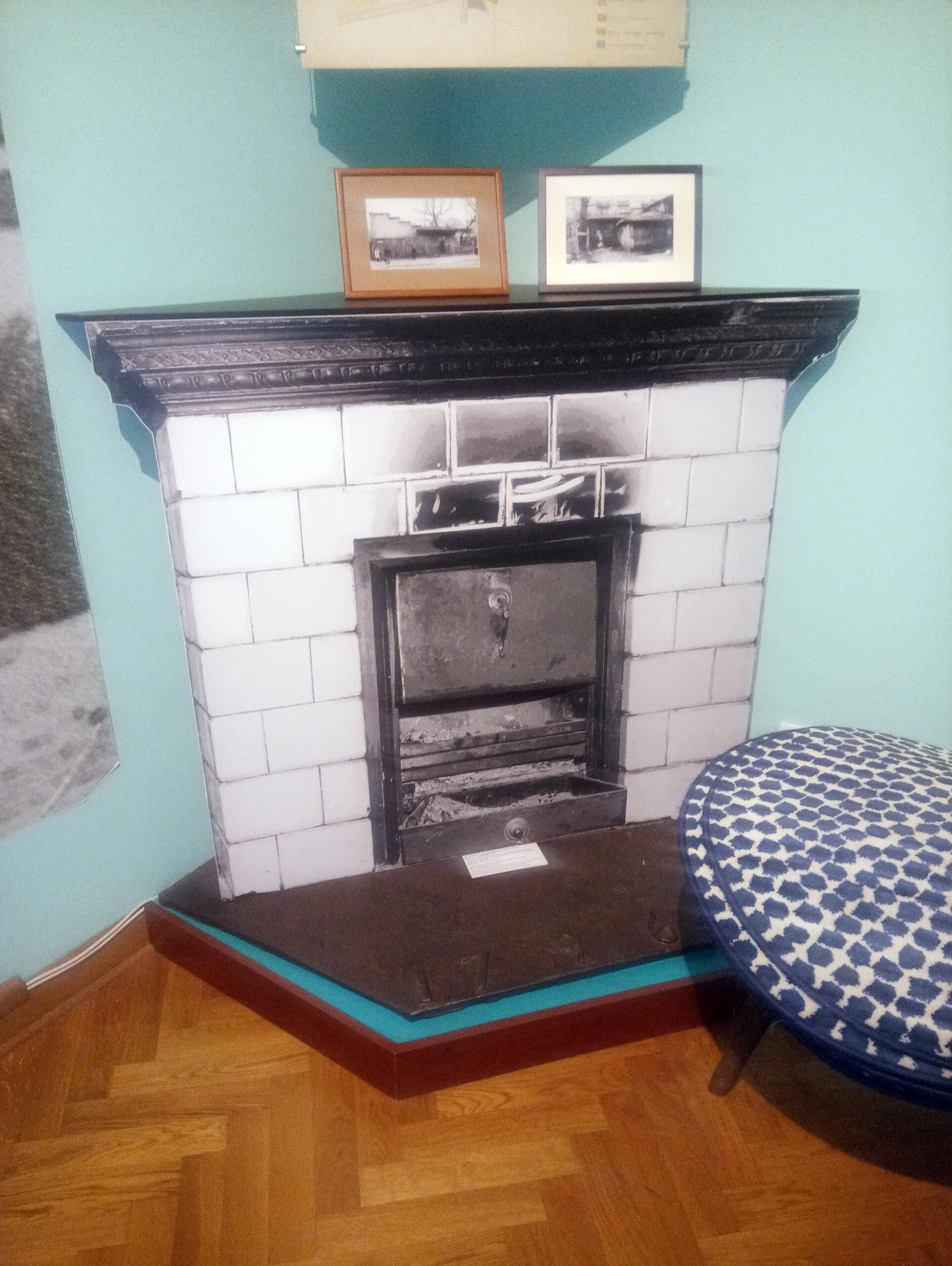
The fireplace in the house had significant importance. It was, as we know, a central point that could create a cozy atmosphere, the so-called heart of the home. Here, family members always gathered, for example, to listen to ancient stories.