Benimet Corp. of Maspeth, Queens has been protecting metal from corrosion since 2001. One of its four services is hot-dip galvanizing, which coats steel components with a durable layer of zinc. Zinc protects steel even in hard-to-reach spots, and powder coating adds the chosen color.
Unprotected steel rusts faster than many homeowners and business owners expect. A few winters of road salt and moisture are enough for the first spots of corrosion to appear on a gate, a fence or a stair structure. Benimet Corp. of Maspeth, Queens has been protecting metal since 2001, and hot-dip galvanizing is one of the company’s four services, alongside powder coating, sandblasting and metal restoration.
How Hot-Dip Galvanizing Works
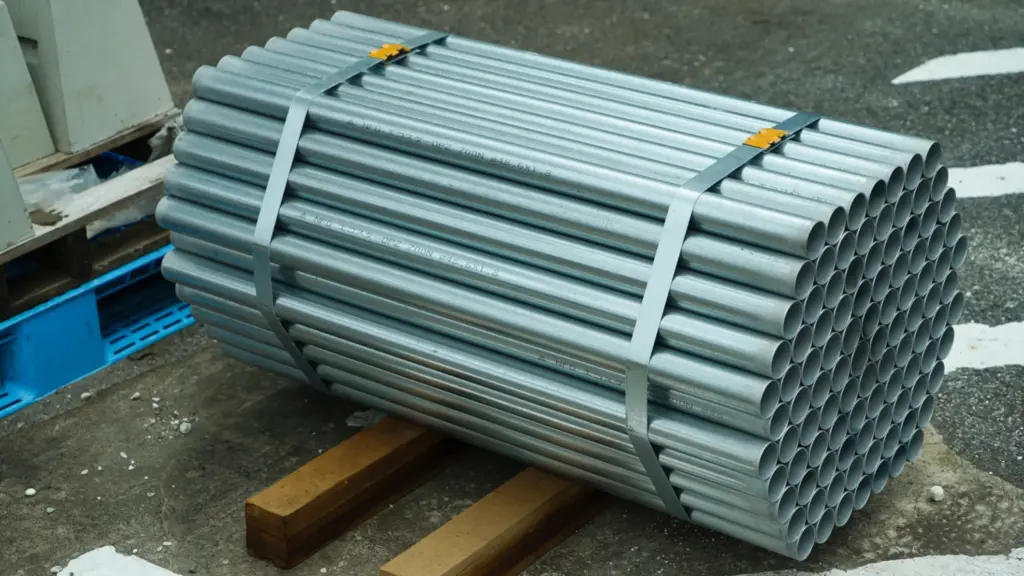
In hot-dip galvanizing a steel piece is dipped into molten zinc. The zinc bonds with the surface of the steel and forms a durable, tight protective layer. It covers the piece in corners, crevices and inside hollow sections too, the places a brush cannot reach. Benimet uses this method to coat steel components with a tough zinc layer that protects them through many years of outdoor use.
Why Zinc Protects Steel
Zinc works in two ways. First, it seals the steel off from water and air. Second, when the coating gets scratched, the zinc corrodes first and in doing so shields the exposed steel. That way small damage does not turn into rust right away. This is why galvanized steel is popular wherever metal stands outdoors all year: on fences, driveway gates, exterior stairs and railings.
Zinc and Color Together
A bare zinc coating has a dull, silvery gray color that does not suit every home or business facade. That is why galvanizing is often paired with powder coating: the zinc handles corrosion protection, and the powder coat provides the look and an extra protective layer. Benimet offers both services, and more about colors and specialty finishes is in the article on powder coating in Maspeth. For pieces that are not hot-dip galvanized, the company uses a primer with 80 percent zinc content under the coating.
Preparing the Pieces
Before galvanizing the surface has to be clean, because old paint, rust and dirt keep the zinc from bonding with the steel. For pieces that have been in use for years, the first step is usually cleaning, including sandblasting (details in the article on sandblasting metal in Queens). New steel pieces need less work, but they are also prepared before going into the zinc.
Who the Service Is For
Galvanizing is used by homeowners who want to protect a gate or fence properly once, and by businesses and contractors who bring larger batches of steel components to Maspeth. It is a shop service: the metal is delivered to the Benimet shop in Maspeth. Homeowners come mainly from Queens, Brooklyn, other parts of New York City and western Long Island, and contractors also from New Jersey. After looking at the pieces, the company prepares a free estimate.
When Galvanizing Makes Sense
Galvanizing makes the most sense for steel that will stand outdoors and is meant to last a long time without constant repainting. That includes new pieces before they are first used, as well as older structures after cleaning, as long as the metal is in good shape. The scope of work and the best protection method are decided after the specific piece has been inspected at the shop.
Batches from Contractors
For contractors, galvanizing is often part of a larger job: railings for a building, a set of gates or several fence runs for one property. Bringing the whole batch to one shop that can also sandblast, prime and powder coat keeps the finish consistent across all the pieces. Benimet serves both commercial and residential clients and handles single pieces as well as larger orders.
Contact
Free estimates: 917-790-3632.
Shop location in Maspeth and more information: Benimet Corp. on Polish Pages.
The scope and timing of the work are set after the pieces have been inspected.