Oldest sculptures
The oldest sculptures date back to times far more distant than the first civilizations known to us. The ability to process natural raw materials, which of course includes wood, was essential for primitive man. Thanks to this very skill, man made basic tools and weapons. Soon, however, the art of processing raw materials also began to serve other purposes, giving expression to spiritual needs. In this way, the first wooden sculptures and, of course, stone sculptures were created, depicting, for example, images of protective deities and, over time, saints.
Over the years
Over the millennia, sculpture successively evolved into a quite advanced branch of art and artistry. Already in antiquity, the powerful figures of the Olympian gods, created by artists such as Phidias, aroused admiration. As we know, the perfect proportions of Greek sculptures inspired Renaissance masters such as Michelangelo, who created his famous sculpture of David using the same principles. Today’s sculpture also includes abstract constructions that do not appeal to everyone.
Three-dimensional art
Sculpture is the only traditional visual art that allows the viewer to achieve a three-dimensional effect. Regardless of the concept chosen by the artist and the technique used to create the sculpture, it always requires the highest precision. Any mistake can result in damage to the sculptural material, which will then ruin the entire project.
What sculpting involves
Sculpting is, of course, a process that consists of many stages to give a given block of material the desired appearance. The successively developing sculptural art has increasingly begun to use so-called thermally hardened sculptures, which is always done hot. Such a treatment protects the sculptural work from falling and, of course, from its potential shattering. Among the materials used in sculpture are salt blocks, wood, and stone.
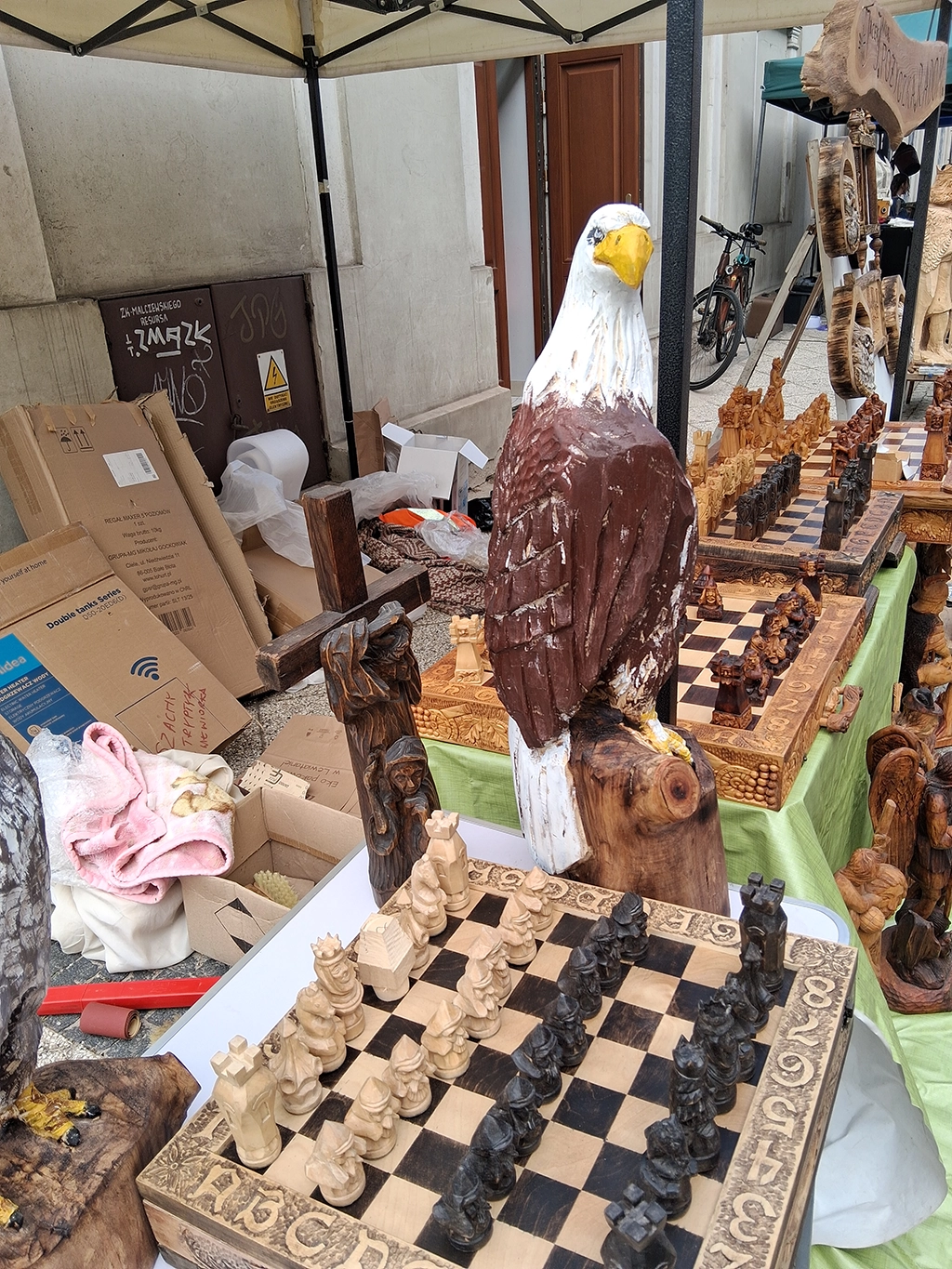
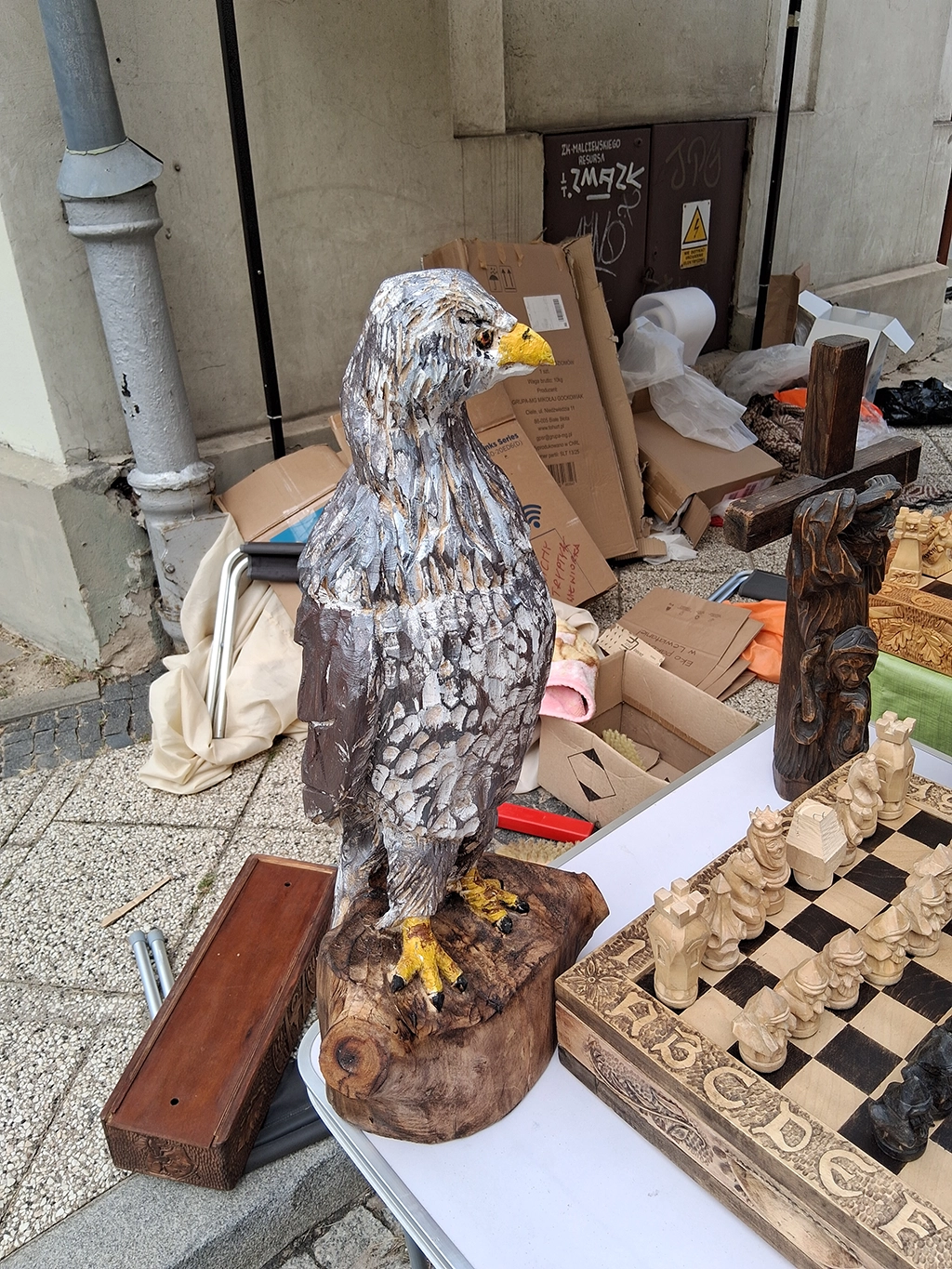
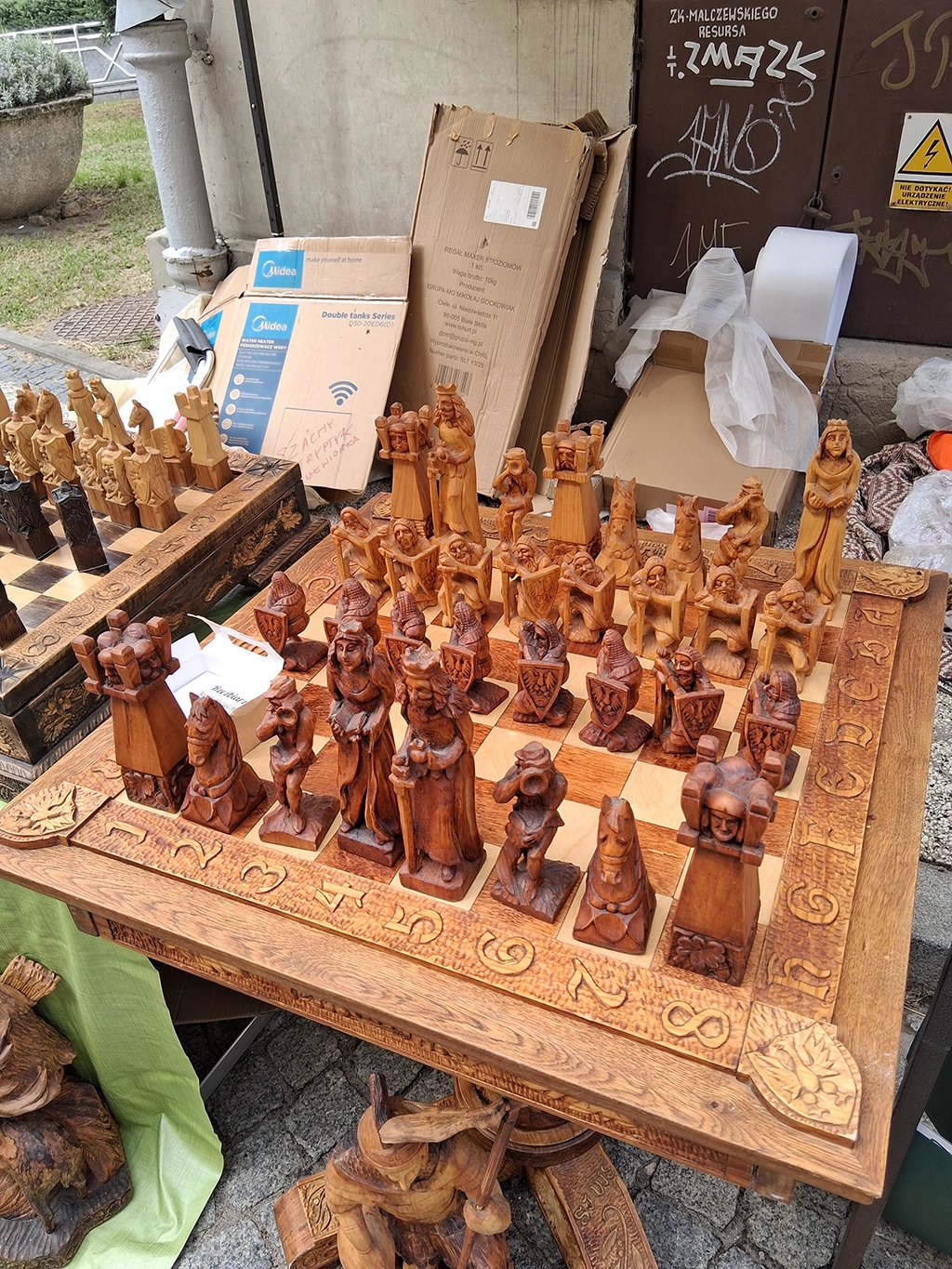
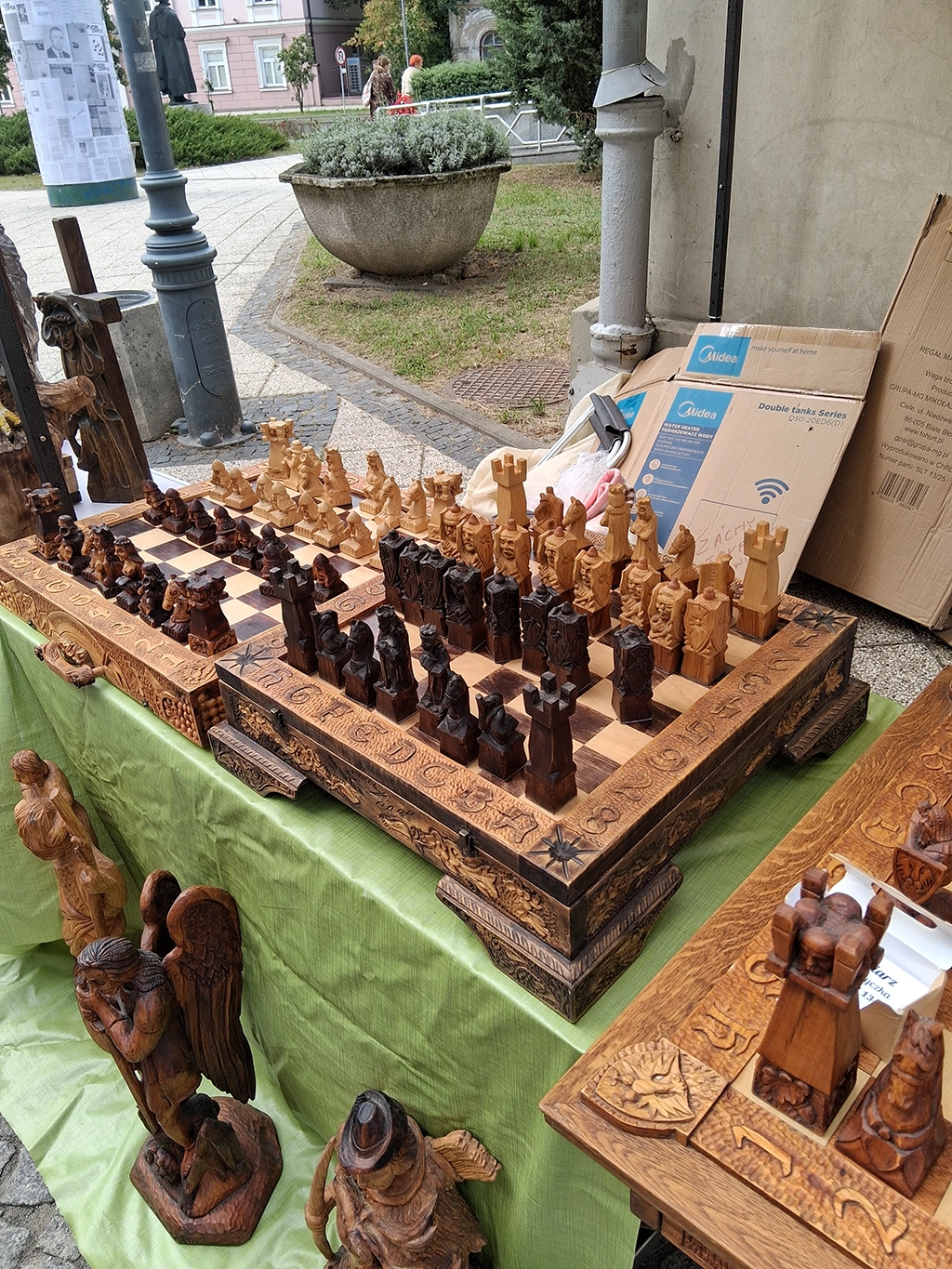
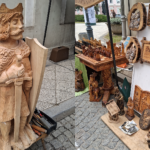
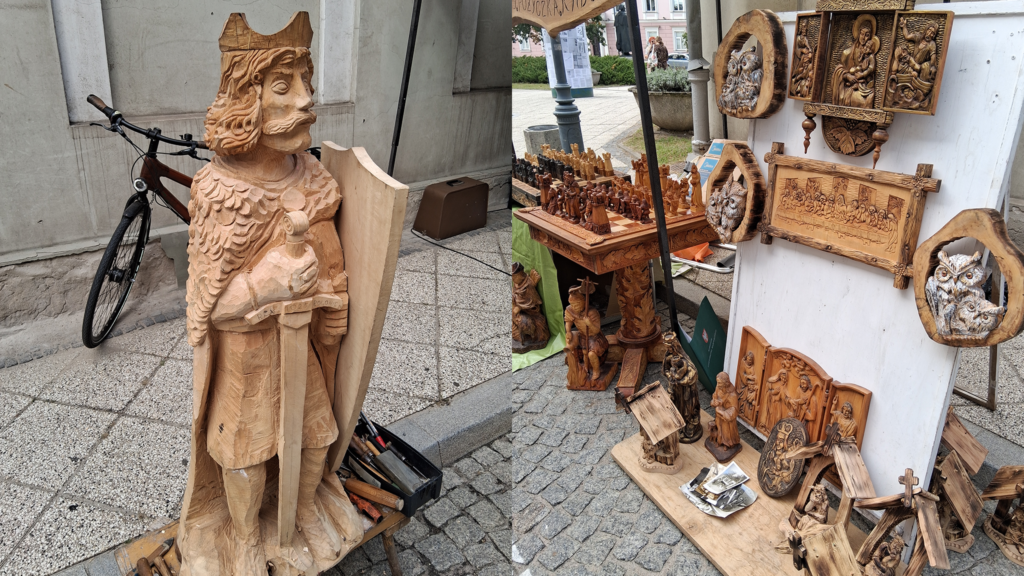
However, the most common material used in folk sculpture work is wood. In modern times, folk sculptures most often depict national symbols, and less frequently national or movie heroes.