Karol Darmoros
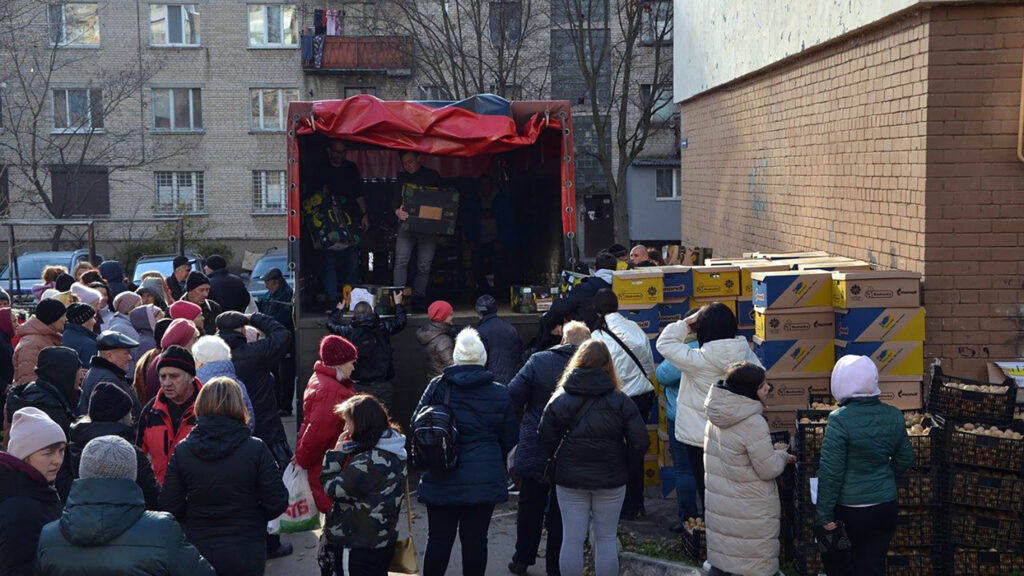
As reported by Vatican News, in response to these challenges, Caritas – in cooperation with local partners and as part of the Polish Aid program – has consistently supported those most in need over the past years.
One of the first initiatives was the Points of Hope, established at the very beginning of the war in response to Russian missile attacks and the destruction of energy infrastructure. They provided safe shelter and access to electricity, water, and heating, especially for families with children and people with disabilities who often lacked alternative energy sources in multi-family buildings.
Family to Family
In 2022–2023, the program covered 1248 families (3057 people) in the Kyiv-Zhytomyr and Kharkiv-Zaporizhzhia dioceses, providing regular financial support for up to 16 months. In the 2024–2025 edition, aid reached 2315 families, or 5453 people, in three dioceses. The latest phase, implemented in 2025–2026, combines cash assistance with vocational training, support for small businesses, and agriculture, leading to greater self-reliance for beneficiaries.
People with Disabilities
Concurrently, Caritas is developing support projects for people with disabilities and their families. In 2024–2025, at least 20,000 services – from physiotherapy and speech therapy to psychological assistance and integration workshops – were provided in Khmelnytskyi, Boryslav, Stryi, and Kyiv, reaching over 1500 people.
Children and Youth
Psychosocial support for the youngest holds a special place. In 2024, over 11.6 thousand children and youth benefited from therapeutic camps, integration events, and aid campaigns. The plan for the past year aimed to include an additional 3.5 thousand beneficiaries in these activities. They could participate in camps, local events, Children’s Day, and St. Nicholas Day celebrations.
Polish Aid
In cooperation with the Ministry of Foreign Affairs, Caritas developed a network of Family Support Centers as part of the Polish Aid program. In just one project, nearly 9,500 services were provided to almost 7,000 people, strengthening the mental health support system and offering financial assistance to those most in need.
Four years of war show that humanitarian aid must combine crisis response with long-term accompaniment. Caritas remains in Ukraine – close to the people who, despite the war, are trying to rebuild their lives.
The Church in Poland Responds
In view of the dramatic situation in Ukraine, the President of the Polish Bishops’ Conference, Archbishop Tadeusz Wojda SAC, asked bishops to conduct a nationwide collection on February 15 in dioceses to aid the eastern neighbor. The donations will be allocated to further Caritas aid activities in the war zone.
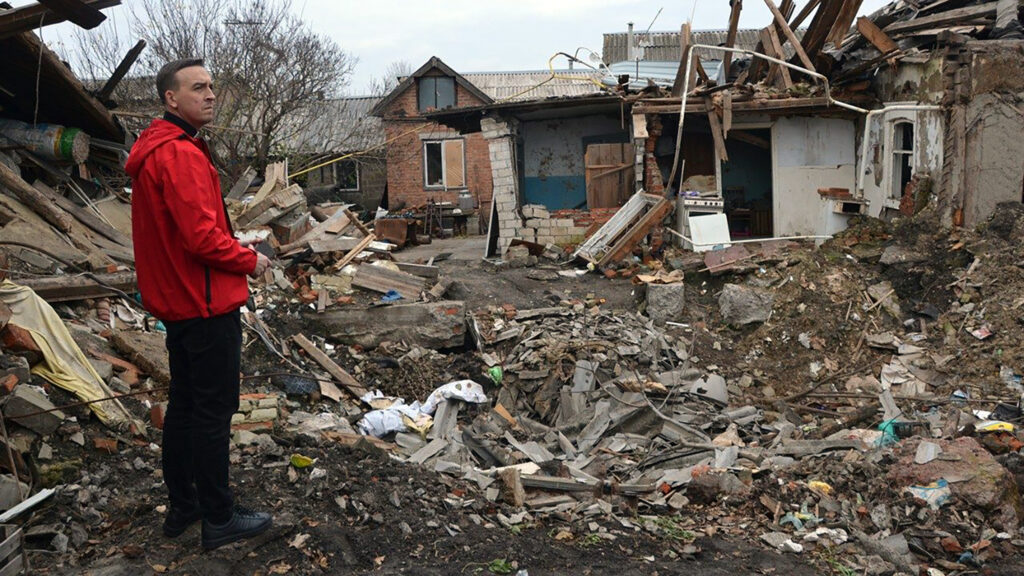
As Caritas emphasizes, this support is particularly needed today. The coldest winter of the war means for millions of people not only the threat of attacks but also – as a result of Russian airstrikes – a lack of access to electricity, heating, and basic services. Humanitarian aid focuses on both crisis response and strengthening local communities so they can survive the coming months of the conflict.