
Fr. Paweł Rytel-Andrianik, Karol Darmoros
Strike on the city
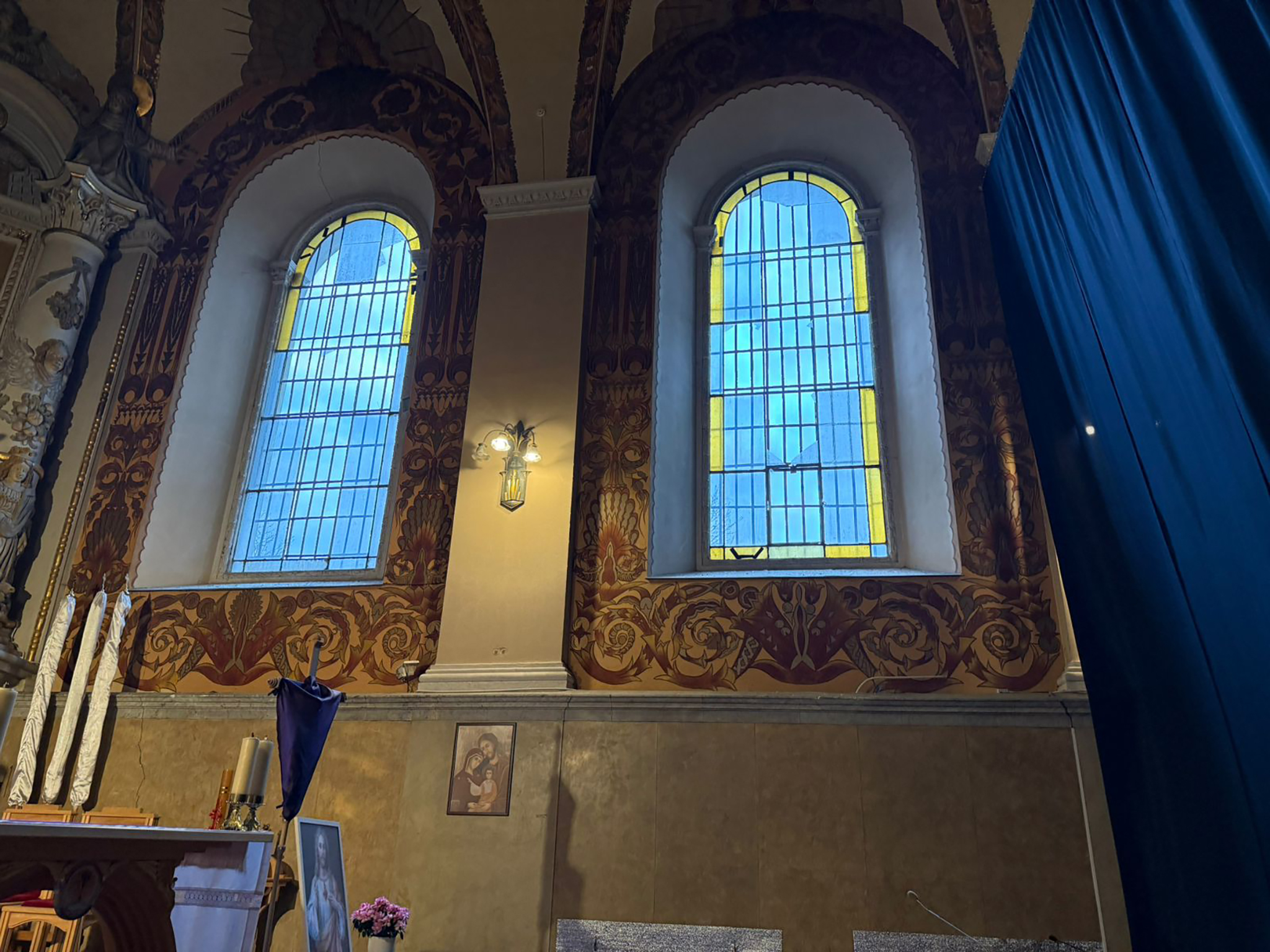
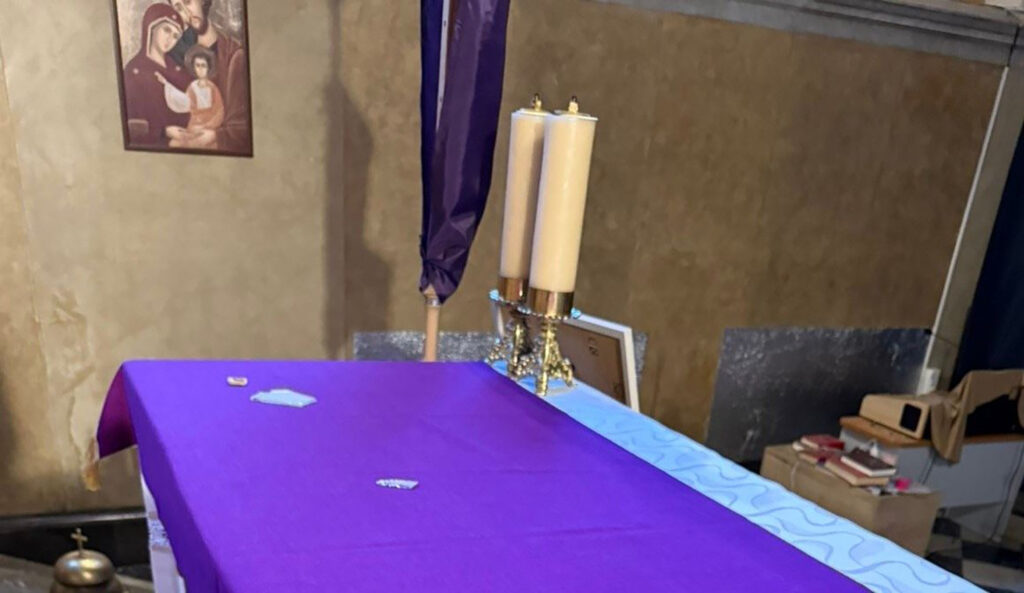
Drones fell, among other places, in the city center – near the cathedral and the church of the Bernardine Fathers – where they destroyed tenements that began to burn. Further strikes occurred in the area of the former Church of St. Mary Magdalene, where windows were blown out, and residential buildings were also damaged. The greatest damage once again affected apartment blocks in large housing estates.
“Thank God, it can be said that it was after afternoon hours. People were still at work, children had not returned from school, and there are no fatalities. There are only injured people,” emphasizes the Metropolitan of Lviv.
Alarm and tension
As the archbishop explains, residents are warned of air raids thanks to phone applications and state service announcements. They usually have several minutes to react. Alarms can last from several minutes to several hours, and their duration depends on whether subsequent drones and missiles are still in Ukraine’s airspace. Schools, universities, and public institutions are obliged to immediately go to safe places.
Life in the shadow of war
Archbishop Mokrzycki points out that the war has today taken a form that particularly burdens society psychologically. It is not only the front line that is shifting, but also a constant threat from the air.
“This war is also ongoing on another front,” he notes. He points to wounded and maimed soldiers returning from the front, as well as frequent funerals of the fallen. The experience of war thus affects residents not only during attacks, but also in daily life, marked by loss and uncertainty.